Coeliac shoppers comparing snack portions
Check the current pack for gluten suitability before comparing its stated serving calories with the portion you plan to eat.


Start with gluten suitability, then compare calories for the amount you intend to eat. Look for a gluten-free claim on the current pack; without one, follow Coeliac UK’s advice to check the ingredients and precautionary allergen wording rather than assuming that a plain-looking nut product is suitable. Smaller measured portions or clearly labelled individual packs can make the calorie comparison easier, but neither format establishes gluten suitability.
Check the current pack for gluten suitability before comparing its stated serving calories with the portion you plan to eat.
An individual pack can make the serving boundary clear. Its ingredients and allergen wording still need the same check as a larger bag.
Compare the exact products, not just the nut varieties: mixes, coatings and serving sizes can differ, as can their allergen information.
Use the pack’s gluten information as the first filter, then compare calories on a serving basis that matches what you will eat.
| Priority | What to check | Your needs |
|---|---|---|
| Gluten suitability | Look for a gluten-free claim on the current pack. Where there is no claim, Coeliac UK advises checking the ingredients and precautionary allergen wording for cereals containing gluten. | I need a snack I can assess for coeliac shopping, not one that merely looks like plain nuts. |
| Calories per portion | Check the calories and weight of the stated serving, then compare products using the same weight or the portion you will actually eat. Kent Community Health NHS Foundation Trust illustrates how nut snack portions can differ in both weight and calories. | A per-100g figure is useful for comparison, but I want to know what my own snack portion contains. |
| Pack format | Check whether the nutrition panel describes one pouch, a smaller serving or the whole pack. Measure a portion from a larger bag if you will not eat it all at once. | A defined pack might help me keep track of a portion; with a share bag, I can portion it myself. |
| Ingredients and flavourings | Read the full ingredients and allergen statements for the exact variety. Compare serving calories separately for plain nuts, flavoured products and nut-and-fruit mixes. | I want to choose the flavour I prefer without assuming that different recipes have the same calories or gluten status. |
Ingredients and packing conditions matter. Tesco’s listing for KP Salted Peanuts Snack Packs, for example, says they may contain gluten.
Check the current pack for a gluten-free claim or assess its ingredients and precautionary allergen wording using Coeliac UK’s label guidance.
A per-100g value and a per-pouch value describe different amounts of food. Tesco lists one 30g KP Salted Peanuts pouch at 185kcal; that figure does not establish its suitability for coeliac shopping.
Decide how many grams you intend to eat and compare the calorie information for that amount.
The two labels answer different questions. Sainsbury’s lists a gluten-free KIND Dark Chocolate Nuts & Sea Salt bar at 217kcal per 40g bar.
Check gluten suitability and serving calories separately, including when a product carries a gluten-free claim.
An open bag leaves the serving size up to you, so the calories you eat depend on how much you take from it.
Measure out a portion or use an individual pack with clear per-pack nutrition information, after checking its gluten suitability.
These examples show why the exact product matters; a brand or retailer name does not establish that every item in its range is suitable.
KP sells nut snacks in individual packs as well as larger formats.
M&S Food lists natural nuts, including some options described as suitable for gluten-free diets.
Sainsbury’s product listings allow comparisons between particular nut varieties and mixes.
Tesco product pages can show serving nutrition and allergen wording for individual nut snacks.
These options include chestnut packs and a larger bag of pistachios. Compare their current-pack gluten information and nutrition panels before deciding which, if any, fits your intended snack portion.
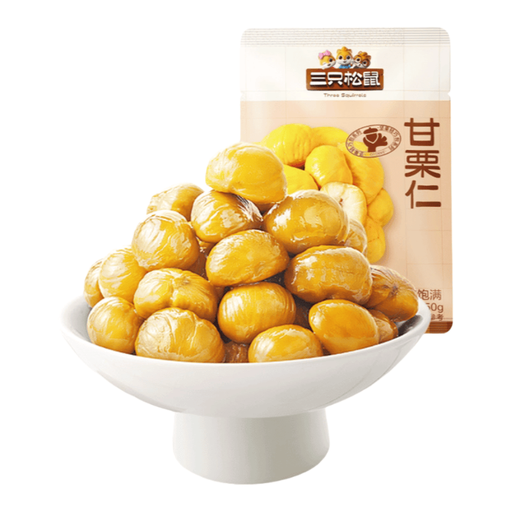 Image unavailable
The 50 g pack gives you a defined quantity to compare with your intended snack portion. Check its current ingredients, allergen wording and calories for the amount you plan to eat; the pack size alone does not establish gluten suitability.
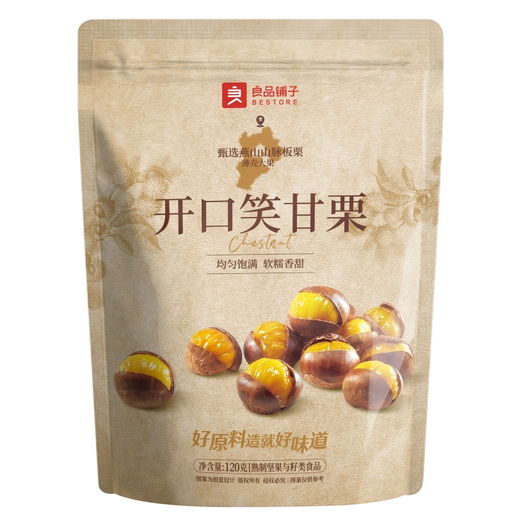 Image unavailable
For a snack smaller than the 120 g bag, measure the amount you intend to eat and use the nutrition panel for that portion. Check the current pack’s gluten claim, ingredients and precautionary allergen wording rather than relying on the chestnut name.
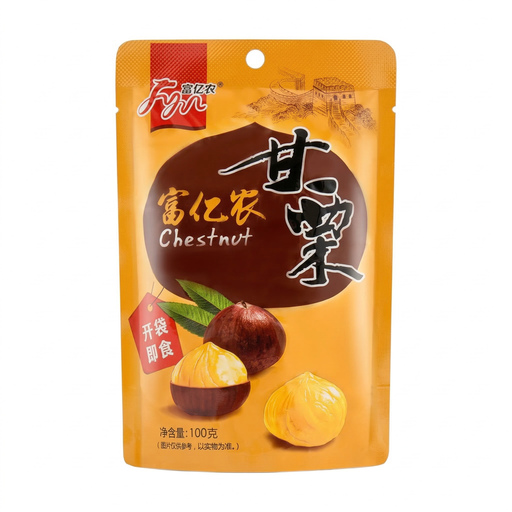 Image unavailable
The 100 g pack can be divided into measured snack portions. Check the current label for gluten suitability and compare calories for the weight you would actually serve, not automatically for the whole pack.
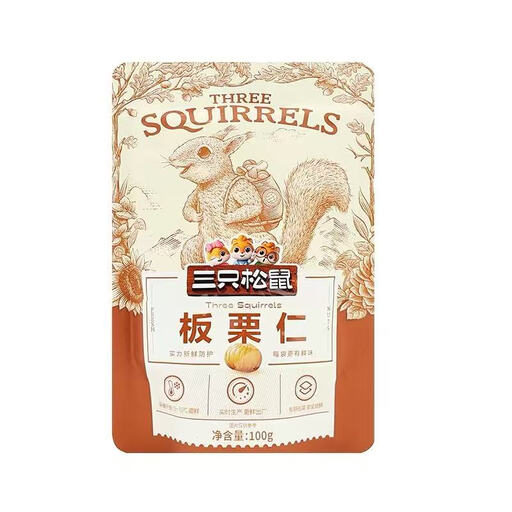 Image unavailable
If you plan to eat less than the 100 g pack, use a measured serving when comparing calories with other snacks. Assess the ingredients and precautionary allergen wording on the current pack; a simple product name is not a gluten-free claim.
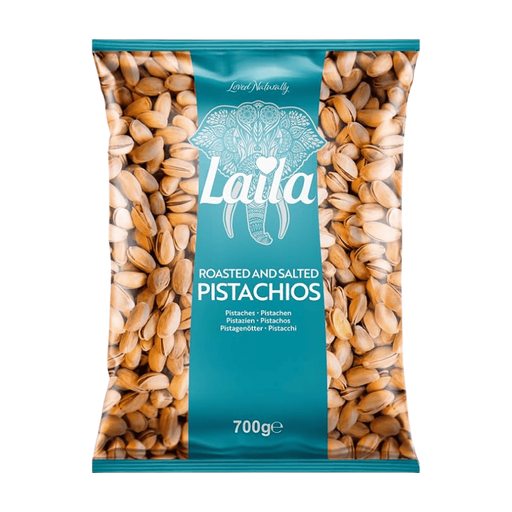 Image unavailable
This 700 g bag calls for measuring a smaller serving if you want to track snack calories. Check the current pack’s ingredients, gluten information and nutrition values for your chosen portion; neither the nut variety nor the bag size settles those questions.
No: the ingredients and precautionary allergen wording of a packaged product still matter. If there is no gluten-free claim, Coeliac UK advises checking the pack for cereals containing gluten and relevant precautionary labelling.
Compare the portions you would actually eat rather than ranking nut types by name. Kent Community Health NHS Foundation Trust lists illustrative snacks of 12 almonds at 80kcal, 24 pistachio nuts weighing 15g at 90kcal, and 12 cashews at 90kcal; different portion sizes or products need their own comparison.
No. A product page can help you shortlist options, but ingredients and allergen information can change. M&S Food and Sainsbury’s direct shoppers to check the product label, so read the current pack before choosing it.
Do not assume it is suitable for coeliac shopping. Check the exact warning and choose an option you can assess as suitable, or contact the manufacturer if you need clarification.