Care-home or community-group organisers
When serving several older guests, decide whether staff will prepare individual cups or brew batches. In a care setting, use the food-safety and drink-service arrangements that apply there.


For afternoon tea with older guests, individual coffee bags suit cups prepared with a kettle; measured filter-coffee sachets suit a compatible batch brewer; and ground coffee calls for filter equipment and staff who can measure each batch. If you need 240 individual bags in one box, check the bag count: a 240 g listing or a box of machine-ready sachets does not establish that quantity. Keep a decaffeinated choice in mind for guests who prefer to avoid caffeine later in the day.
When serving several older guests, decide whether staff will prepare individual cups or brew batches. In a care setting, use the food-safety and drink-service arrangements that apply there.
If preparation centres on a kettle rather than a filter machine, individual coffee bags offer a cup-by-cup format. Check how many bags you need and whether the selection includes decaf.
A separately identifiable decaffeinated option lets guests choose without assuming everyone wants the same coffee. The NHS notes that caffeine is a stimulant and its effects can last up to seven hours.
Start with how each drink will be made, then check the pack unit and the choices guests will need at service.
Choose when: Cups will be prepared individually with a kettle, without a commercial filter brewer.
Trade-off: Each cup needs its own preparation; a pack count is not the same as a single box of 240 bags.
Choose when: Staff have a compatible brewer and need to prepare coffee by the batch.
Trade-off: These sachets are measured for a brewer or jug, not for making one cup per sachet.
Choose when: Suitable filter equipment is available and staff can measure the coffee for each batch.
Trade-off: A bag of grounds does not provide a fixed number of individually portioned drinks.
| Priority | What to check | Your needs |
|---|---|---|
| Preparation format | Check whether the product is a single-cup bag, a brewer sachet or loose grounds. For brewer sachets, confirm the machine, filter and intended jug size. | I need cups made one at a time if there is no batch brewer. If staff are making several drinks together, a sachet must fit their equipment. |
| Pack and portion count | Read the number of bags or sachets, the weight of each and the number of packs in the carton. A sachet intended for a jug is not one cup. | For a plan involving 240 individual cups, I need to know the actual number of single-cup portions before ordering. |
| Decaffeinated choice | Check whether the exact variant is decaffeinated and how it will be identified during service. | Some guests may prefer decaf later in the day, so I want a choice they can recognise rather than one coffee for everyone. |
| Drink service | In a care setting, check the arrangements for individual preferences and any existing food-safety or care instructions. | Coffee is one of the drinks on offer; I do not want the quantity ordered to stand in for planning the wider drink service. |
An Amazon UK listing for Costa coffee marked 240 g describes three packs of 10 enveloped bags. Weight alone will not tell you how many cups can be prepared.
Check the bag count, the weight per bag and the number of packs in the carton separately.
Vending Superstore describes its measured ground-coffee sachets as intended for a 3-pint jug. That is a different preparation format from a single-cup coffee bag.
Confirm the brewer model, filter size, jug capacity and supplier's brewing instructions before ordering a case.
An incompatible sachet size can also mean unused filters and extra preparation time.
Some guests may prefer decaf in the afternoon. The NHS says caffeine is a stimulant whose effects can last up to seven hours.
Check the exact decaffeinated variant and keep its packaging identifiable during service.
The NHS North East Hampshire and Farnham CCG's toolkit for older people in care homes and the community notes that individual oral fluid needs vary. A quantity of coffee does not establish what drinks each person needs.
Plan other drink choices alongside coffee and follow existing individual care arrangements where applicable.
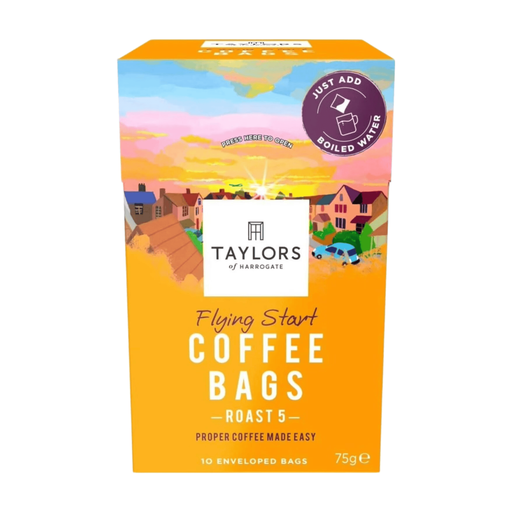
Tesco Groceries lists Taylors coffee bags, including Decaffe and Flying Start, as well as ground-coffee options.
Lavazza UK identifies its Canal Grande Filter product as roast-and-ground filter coffee.
Costco UK Business Delivery lists Douwe Egberts Pure Decaff Medium Roast as a 400 g ground-coffee product.
These coffee-bag options are for preparing cups individually without a commercial batch brewer. Check their bag counts and exact variants against your afternoon-tea plan.
 No image available
Coffee bags for a cup-by-cup service using a mug rather than a batch brewer. The listed quantity is 75 g × 3; check how many individual bags the packs contain before planning for 240 servings, and confirm the variant if you need decaf.
 No image available
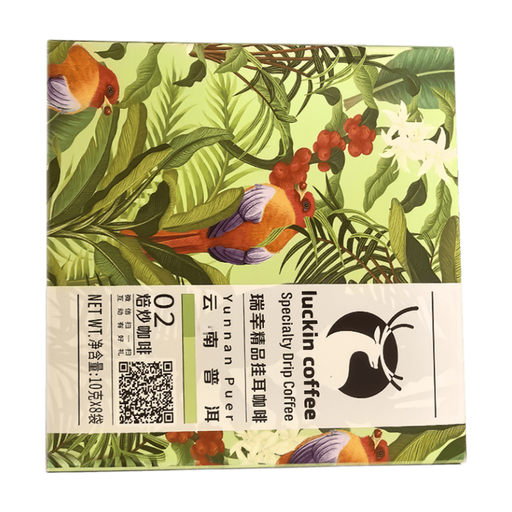
Individual drip bags offer a pour-over cup without a commercial batch brewer, though each cup needs preparing separately. The pack contains eight 10 g bags, not 240; confirm the variant if a decaffeinated option is required.
No. An Amazon UK Costa listing marked 240 g describes three packs of 10 enveloped bags. Check the weight and the number of individual bags as separate details.
No single coffee choice needs to be presumed for every guest. Offering decaf alongside another option lets people choose; the NHS notes that caffeine is a stimulant and its effects can last up to seven hours.
They suit different preparation methods: individual bags are for single cups, while the Vending Superstore filter sachets described here are measured for a 3-pint jug. Use the sachets only with a compatible batch-brewing setup.
Use the home's established food-safety procedures, including relevant ingredient and allergen checks for anything added to coffee. The Food Standards Agency's Safer food, better business care-home supplement is aimed at small residential care homes that prepare and cook food for residents; it is not a rule for every private afternoon tea.
No. The NHS North East Hampshire and Farnham CCG's toolkit for older people in care homes and the community says individual oral fluid needs vary. Plan other drink choices alongside coffee and use existing individual care guidance where it applies.