Hosts serving coffee at different times
Individual coffee bags let guests make separate mugs with hot water, without using a filter machine. An 80-count box makes more sense if you also have a plan for the bags left after brunch.


Choose an 80-count box of coffee bags if guests will make separate mugs and you expect to use the remaining bags after brunch. If you have a compatible filter setup and want to serve several cups together, choose ground coffee intended for filter brewing instead. Check whether guests would also like a decaffeinated option, and make sure a listing for “80” refers to coffee portions rather than empty paper filters.
The useful distinction for brunch is whether guests will brew their own mugs or you will prepare coffee for the table.
Individual coffee bags let guests make separate mugs with hot water, without using a filter machine. An 80-count box makes more sense if you also have a plan for the bags left after brunch.
If you already have a compatible filter machine or manual filter setup, ground coffee intended for that method lets you prepare coffee together rather than brewing each mug separately. Check the exact pack’s intended brewing method.
If some guests prefer decaffeinated coffee, individual decaffeinated bags provide another mug-by-mug option. Taylors of Harrogate offers Decaffé coffee bags; check the pack you choose rather than assuming a regular blend meets that preference.
Decide how coffee will be served, then check the product format, pack quantity and brewing instructions before ordering.
| Priority | What to check | Your needs |
|---|---|---|
| Serving method | Check whether the pack contains individual coffee bags or ground coffee for a filter setup. Allow for a separate brew for each bag-made mug. | I want guests to make coffee as they arrive, or I would rather prepare a shared pot for everyone at once. |
| Equipment | Check the exact product’s brewing instructions. Taylors coffee bags use a mug and hot water; Douwe Egberts Real Filter Coffee is ground for filter machines, according to JDE Professional. | With only a kettle available, I need a mug-brewing option. If I have a filter setup, I can consider ground coffee intended for it. |
| Caffeine choice | Check whether a separate pack is labelled decaffeinated. Taylors’ Decaffé instructions specify a four-minute mug brew. | Some guests may prefer decaffeinated coffee, so I want that choice alongside regular coffee. |
| Quantity and storage | Check the number of coffee portions, not just the number printed on the listing. Consider whether you will use an 80-bag box after brunch; follow the storage instructions for opened ground coffee. | For a small gathering, I would rather choose a quantity I can use later than buy a large box solely for one morning. |
| Meaning of “80” | Look for “coffee bags” and a coffee blend if you want portions. A filter-size marking such as 1x4 may instead identify paper filters: Tesco lists Melitta Original 1x4 x80 as filters. | I need coffee to serve, not 80 empty filters for equipment I may not have. |
An “80” count can describe either coffee portions or empty paper filters. Tesco’s Melitta Original 1x4 x80 listing is for filters, not ready-to-brew coffee.
If you want individual servings, look for coffee bags and a named blend. If you need paper filters, check that the stated size fits your brewing setup.
Paper filters also require suitable ground coffee and compatible brewing equipment.
An 80-count box can leave many portions after a small gathering, even when each guest has a mug.
Think about how many mugs you expect to serve and whether you will use the rest. Otherwise, compare a smaller coffee-bag pack or make a shared pot with suitable ground coffee.
Ground-coffee products can be intended for different brewing methods. Lavazza describes its range by brewing method, while JDE Professional identifies Douwe Egberts Real Filter Coffee as ground for filter machines.
Check the intended method on the exact coffee pack and the requirements of your machine or manual filter setup.
A single regular blend does not provide a decaffeinated choice for guests who prefer one.
Ask about preferences when planning the drinks, and consider a separate decaffeinated coffee option where useful. Do not assume a caffeine amount per mug without product information.
These examples show how differently an 80-count search can resolve: individual coffee portions, ground coffee or paper filters.
A reference for individual coffee bags, including regular and decaffeinated options.
A ground-coffee reference for hosts using a filter machine.
A ground-coffee reference when choosing coffee for an existing brewing setup.
A reference for coffee bags when considering individual servings.
A useful example of why “80 filter bags” needs a closer look.
This eight-bag filter coffee pack is an option for brewing separate cups at a smaller brunch, rather than an 80-count box or ground coffee for a shared filter-machine batch.
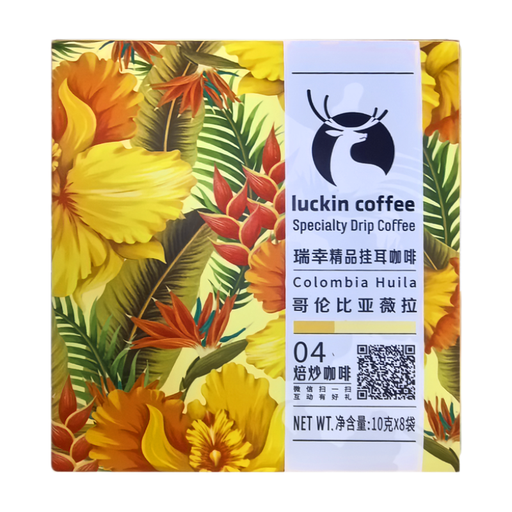 Image unavailable
The individual drip-bag format is for brewing cups separately rather than making a shared pot. This pack contains eight 10g bags, not 80; check the product information if a decaffeinated option is needed.
An 80-count box such as the Taylors Rich Italian listing contains 80 individually wrapped coffee bags, intended as individual portions. How many you use at brunch depends on whether guests have one mug or return for another.
No. Taylors’ coffee bags are brewed in a mug with hot water; its Decaffé instructions specify four minutes. Ground coffee sold for filter machines is a different format and needs a suitable brewing setup.
Paper filters contain no coffee. Tesco’s Melitta Original 1x4 x80 listing is for 80 filters, so you would also need suitable ground coffee and a brewing setup that accepts size 1x4 filters.
A separate decaffeinated option is useful if guests prefer to limit caffeine. Taylors offers Decaffé coffee bags in an individual-mug format; check the quantity and preparation instructions on the pack you choose.
For Douwe Egberts Real Filter Coffee, JDE Professional advises keeping the opened pack in an airtight container in a cool, dry place. Follow the storage directions on the exact ground-coffee pack you buy.