Households making everyday cups
Soluble instant coffee suits a hot-water-and-stir routine with an adjustable amount per mug. A coffee bag suits a single brewed cup when leaving time to steep it and remove the bag fits the routine.


Choose soluble instant coffee if you want a cup made by adding hot water, with the amount of coffee adjustable from mug to mug and no used bag to remove. Choose coffee bags if you want ground coffee brewed directly in a mug without a cafetière; check brewing time, bag count, wrapping and disposal instructions before making them a weekly staple.
The useful distinction for a weekly shop is whether you want soluble coffee that dissolves in the mug or ground coffee that brews in a bag.
Soluble instant coffee suits a hot-water-and-stir routine with an adjustable amount per mug. A coffee bag suits a single brewed cup when leaving time to steep it and remove the bag fits the routine.
Compare the number of bags and total weight before choosing a cupboard pack. Percol lists a 20-bag, 160g format, while Tesco Groceries lists 10-bag coffee-bag options.
Tesco Groceries lists Taylors Decaffé coffee bags for a decaffeinated ground-coffee option. If disposal matters, check the bag, outer packaging and local collection rules separately.
Start with the preparation method, then compare the pack with the number of cups your household expects to make. A coffee bag is brewed ground coffee, not a pyramid-shaped version of soluble instant coffee.
| Priority | What to check | Your needs |
|---|---|---|
| Preparation | Check whether the coffee dissolves or brews in a bag. NESCAFÉ describes instant coffee as soluble; Tesco Groceries instructs buyers to brew Taylors Hot Lava Java coffee bags for four full minutes. | I want to make a mug with hot water and adjust how much coffee I use, or I have time to let ground coffee brew and remove the bag afterwards. |
| Pack size | Compare bag count and total weight within the bag format. Percol lists 20 bags at 8g each, or 160g in total; check the count on other packs rather than relying on weight alone. | Will this pack cover the number of coffee-bag cups we expect to make between weekly shops? |
| Decaf and flavour | Look for an explicit decaffeinated label if that is required. A roast or intensity description does not establish caffeine content; Tesco Groceries identifies Taylors Decaffé bags as decaffeinated Arabica coffee. | I need to distinguish a preferred flavour style from a requirement for decaf. |
| Packaging and labels | Read disposal directions for each pack component and check local collection rules. Check the current ingredients, storage instructions and best-before date on the exact pack. | I want to know what to do with the used bag and its wrapping, and whether the pack fits our storage and usage routine. |
A coffee bag contains ground coffee that must brew and leaves a used bag. Tesco Groceries gives a four-minute brew for Taylors Hot Lava Java bags.
Choose soluble instant coffee for a hot-water-and-stir routine; choose bags when the brewing step suits your day.
The total weight does not tell you how many individual coffee bags are inside. Percol lists a 20-bag, 160g format, while other listed bag formats contain 10 bags.
Check the bag count as well as the total weight against the number of cups you plan to make.
A claim about a bag or filter does not necessarily apply to its protective wrapping. Tesco Groceries says the box for Taylors Hot Lava Java bags can be recycled but its sachet should not be recycled.
Follow each component’s on-pack instructions and check what your council accepts for collection.
A dark or intense flavour description does not tell you whether a coffee is decaffeinated.
If you require decaf, choose a pack explicitly labelled decaffeinated and check the current product label.
These brands illustrate different preparation formats; a brand reference is not a substitute for checking the exact product and pack.
NESCAFÉ Original is a soluble-instant option for shoppers comparing a jar with ground-coffee bags.
Taylors describes its coffee bags as ground coffee brewed directly in a mug, without a cafetière.
Percol offers a ground-coffee bag format for households comparing the number of bags in a regular-use pack.
Rombouts offers a one-cup ground-coffee filter that sits over a mug rather than a soluble coffee or conventional dunking bag.
These options include soluble coffees for mug preparation and ground-coffee bags for brewing in a cup. Compare the exact pack when bag count or brewing instructions matter to your weekly shop.
 No image available
A 300g decaf option for a household choosing the soluble-coffee route rather than brewed coffee bags. Check the pack for its preparation directions and serving amount.
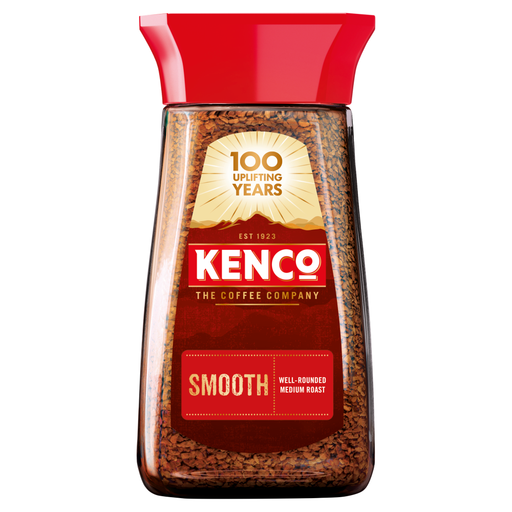 No image available
A 200g instant-coffee option for mugs made with hot water, without a used coffee bag. If decaf is required, check the exact pack rather than judging by the Smooth name.
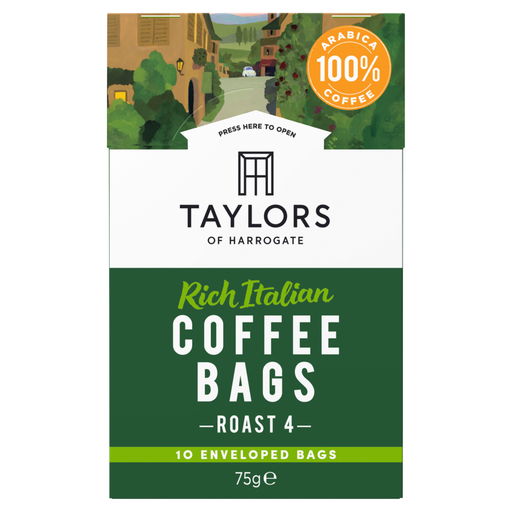 No image available
A 75g coffee-bag option for brewing a mug of ground coffee without a cafetière. Check the bag count and brewing directions on the exact pack before planning how many cups it will cover.
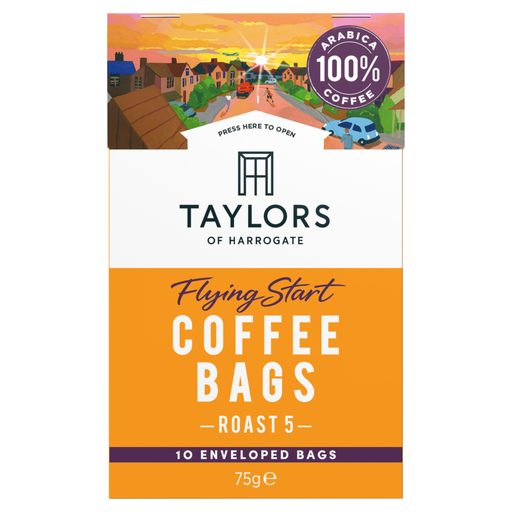 No image available
A 75g ground-coffee bag format for a brewed cup rather than soluble instant coffee. Check the exact pack’s bag count and brewing directions for your weekly routine.
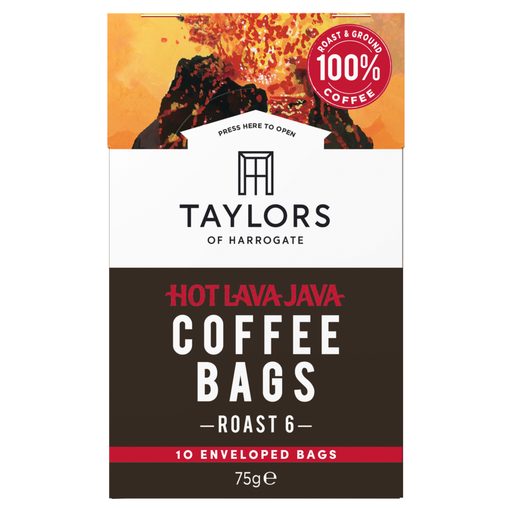 No image available
A 75g coffee-bag option for shoppers choosing a brewed mug over instant coffee. Tesco Groceries gives a four-minute brew for its Hot Lava Java bags; check the instructions and bag count on the exact pack you buy.
No. Instant coffee dissolves in water, while a coffee bag contains ground coffee that brews in the mug and leaves a bag to remove. Allow for that difference when choosing a preparation routine and comparing packs.
Follow the exact pack’s directions. Tesco Groceries specifies four full minutes for its listed Taylors Hot Lava Java and Decaffé coffee bags; that time should not be assumed for every brand or format.
Check both the exact pack and your council’s collection rules before putting it in food waste. Percol and Rombouts make compostability claims for relevant products, but packaging components can have different disposal instructions.
Yes, particularly when choosing a pack for several weeks of use. GOV.UK distinguishes best-before dates, which concern quality, from use-by dates, which concern safety; follow the storage instructions on the coffee pack too.
Read the current ingredients and allergen information on the exact pack rather than relying on the coffee’s flavour or product-family name. Product labels are the relevant check when a particular ingredient matters to your purchase.