Teams wanting a single-serve brew
Raw Bean Coffee’s pyramid bags contain ground coffee and steep in hot water for 3–4 minutes. They suit a station with mugs and hot water where staff are happy to remove a used bag afterwards.


Choose pyramid coffee bags if the office wants single-serve coffee brewed from ground beans without a machine and staff can allow 3–4 minutes for steeping. Choose instant coffee for a drink prepared without that wait; jars suit a shared supply, while sachets provide individual portions. Check whether the station also needs a clearly identified decaf option and how used bags and packaging will be collected.
The useful dividing line is whether a brewed cup is worth a short wait during the office break.
Raw Bean Coffee’s pyramid bags contain ground coffee and steep in hot water for 3–4 minutes. They suit a station with mugs and hot water where staff are happy to remove a used bag afterwards.
Individually enveloped bags can be stocked as separate portions in meeting rooms or shared kitchens. Raw Bean Coffee also offers an individually enveloped decaf case for a separately identified option.
Instant coffee avoids the steeping step. A jar offers a shared supply that staff measure into mugs; sachets provide separate portions, though flavoured or 3in1 versions may contain ingredients beyond coffee.
Decide on preparation time and drink type first, then choose portioning, decaf and disposal arrangements that fit the station.
| Priority | What to check | Your needs |
|---|---|---|
| Preparation time | Raw Bean Coffee specifies a 3–4 minute steep for its pyramid bags; the used bag then needs removing. Instant coffee does not require that steep. | I have time to brew a mug during a planned break, or I need a drink without waiting for a bag to steep. |
| Drink format | Check whether the pack contains ground coffee for brewing or instant coffee. For mixed sachets, read the ingredients rather than assuming they make plain black coffee. | We want brewed coffee, plain instant coffee or a prepared-style drink such as a milky sachet. |
| Portioning | Compare individually wrapped bags or sachets with a shared jar or refill. Check the number of portions and whether staff will need to measure each serving. | Separate portions would be useful in meeting rooms; at a staffed kitchen station, a shared jar may fit our routine. |
| Decaf choice | Check the exact decaf product and its format. Raw Bean Coffee lists an individually enveloped decaf pyramid-bag case; Kenco also identifies decaf within its instant range. | Some colleagues want a clearly labelled decaf option without having to use the same coffee as everyone else. |
| Waste collection | Check bag and wrapper instructions separately against the office waste contractor’s accepted materials. Raw Bean Coffee describes its decaf pyramid bag as compostable; that claim alone does not establish a collection route. | Our station needs disposal instructions that match the bins and collections actually available on site. |
A pyramid bag of ground coffee needs time in hot water; instant coffee is prepared without steeping or removing a bag. The wrong format can disrupt a short-break routine.
Choose the preparation method first, and label the station clearly as instant coffee or brew coffee bags.
A caffeinated-only station does not serve colleagues who want decaf. In a shared area, distinct packaging and labels make the choices easier to identify.
Choose a clearly labelled decaf product in the format your office will use, and keep it separate from the caffeinated option.
A coffee bag is a pre-portioned serving, while a jar requires someone to measure the coffee. Individual envelopes also add packaging to the station.
Check the number of servings, preparation time and need for individual wrapping before choosing a pack size.
A supplier’s claim about a coffee bag does not necessarily describe its outer envelope or what an office collection accepts.
Check the waste contractor’s rules for each component before putting disposal instructions beside the drinks.
These brands illustrate the difference between brewed coffee bags and instant products; their inclusion does not indicate that every range uses pyramid bags.
A reference for pyramid-shaped ground-coffee Bean Bags, including ten-bag packs and an individually enveloped decaf case.
A reference for ground-coffee bags that steep in a mug.
An instant-coffee reference for offices considering sachets or refills instead of a brewed bag.
An instant-coffee reference with Rich, Smooth and Decaf products in its range.
An instant-coffee alternative rather than a pyramid-bag reference.
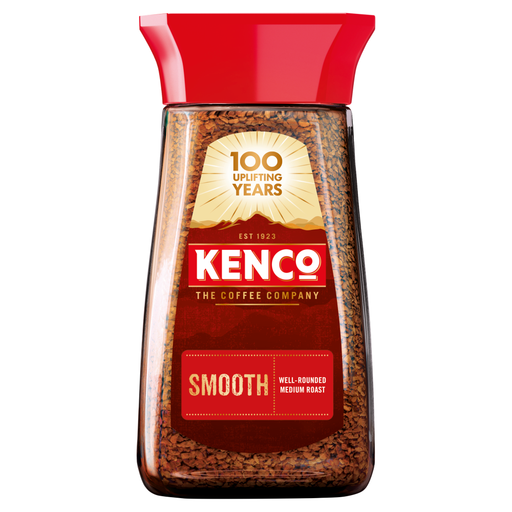
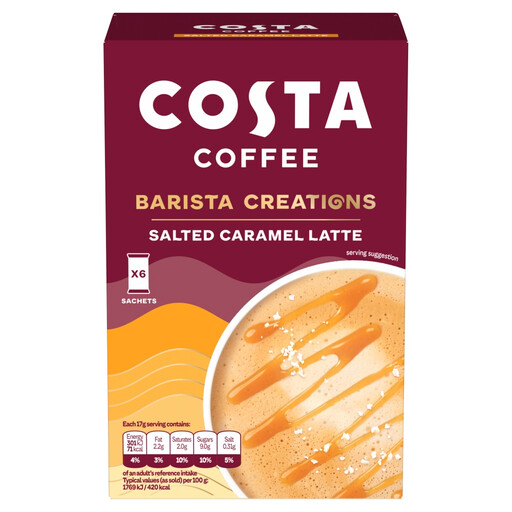
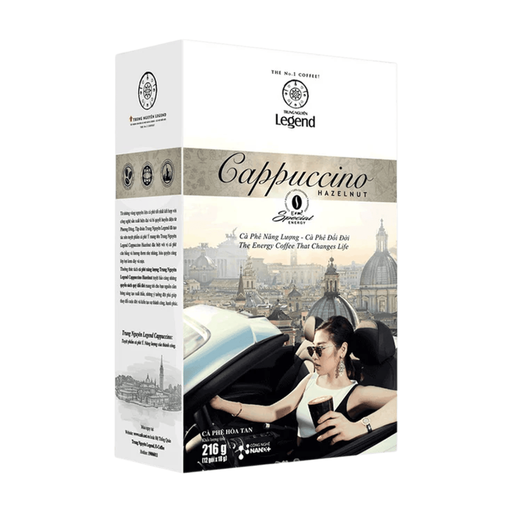
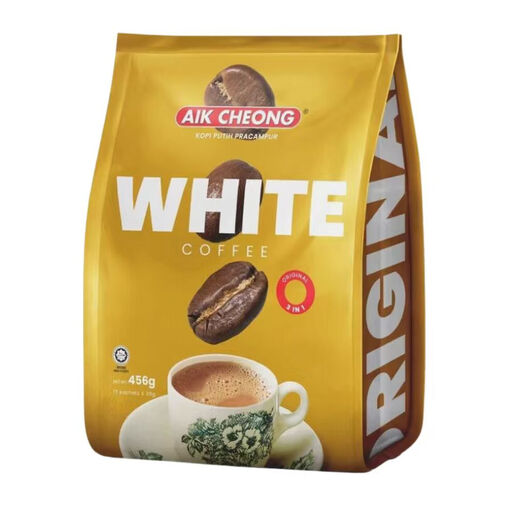
These jars and sachets represent the instant route for an office break, not the pyramid ground-coffee bags discussed above. Choose between a shared jar and separate portions, then check the exact drink and ingredients.
 No image available
A 200 g instant-coffee option for a shared office station where staff can measure their own servings. It is not a pyramid coffee bag; check the pack label if its precise coffee composition matters to your choice.
 No image available
Six separate sachets suit a station that stocks individual drinks rather than a shared jar. Choose them for a salted-caramel latte rather than plain brewed coffee, and check the pack ingredients and allergens for colleagues using the station.
 No image available
An individually portioned hazelnut cappuccino choice for office breaks, rather than a pyramid bag or plain black coffee. Check the pack ingredients and allergens before putting it in a shared refreshments area.
 No image available
Twelve individual sachets offer portioned drinks for a communal station. This 3in1 white-coffee option is not a plain brewed pyramid bag; check its ingredients and allergens when choosing drinks for colleagues.
 No image available
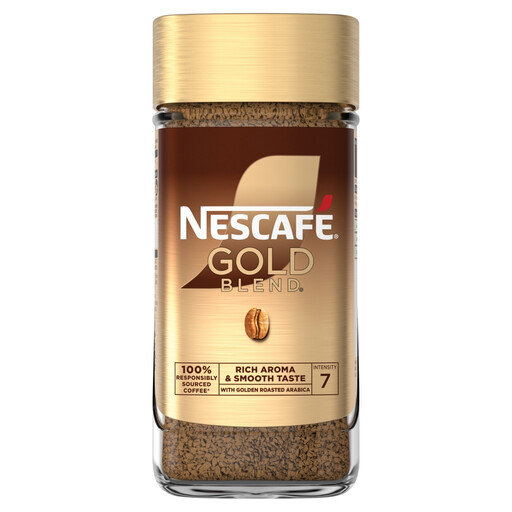
A 190 g instant-coffee jar for a shared station where staff measure their servings. It is not a pyramid coffee bag; check the pack label if the balance of soluble and roast-and-ground coffee matters to your purchase.
No. Raw Bean Coffee describes its pyramid bags as containing ground Arabica coffee, which steeps in hot water before the bag is removed. Taylors of Harrogate likewise distinguishes ground-coffee bags from instant coffee.
A mug and hot water are enough for the Raw Bean Coffee bags described here; allow 3–4 minutes to steep and remove the bag. Check how the premises manages its kettle or hot-water point and where used bags will go.
Stock a separately labelled decaf product in the format the station uses. Raw Bean Coffee offers an individually enveloped decaf pyramid-bag case, while Kenco identifies decaf among its instant-coffee products; check the exact pack before ordering.
No. An instant sachet avoids steeping a bag of ground coffee, and its ingredients can differ: Nescafé describes 3in1 Original as instant coffee with milk and sugar. Check whether colleagues want plain coffee or that mixed drink before substituting one for the other.
Check the office waste contractor’s accepted materials first. Raw Bean Coffee describes its decaf pyramid bag as compostable, but the bag and any individual wrapper need separate disposal instructions that fit the collections available on site.