Morning-break drinkers with a mug and kettle
A ground-coffee bag can steep in a mug without a cafetière or machine. Check the maker’s brewing instructions and allow for the stated steep time before choosing one for a short break.


Choose a coffee bag explicitly described as pyramid-shaped if the shape matters to you: Raw Bean identifies its bags that way, while a generic “coffee bag” label does not confirm it. For a quick break with a mug and kettle, individually wrapped standard bags are another steep-in-the-mug option; choose a cup-top filter instead if you prefer to pour water through the coffee and have a cup that supports the filter.
The preparation method matters as much as the pack: some portions steep in the mug, while cup-top filters need water poured through them.
A ground-coffee bag can steep in a mug without a cafetière or machine. Check the maker’s brewing instructions and allow for the stated steep time before choosing one for a short break.
Look for an explicit description of the bag’s shape. A standard coffee bag may suit the same mug-and-kettle routine, but its name alone does not establish pyramid construction; a cup-top filter is a different format.
Individual envelopes may be useful when portions travel in a bag or sit in a desk drawer. If packaging disposal affects your choice, check the materials and your council’s instructions separately.
Decide whether bag shape, brewing method or pack format is the requirement you will not compromise on. Then compare the instructions for the particular product you intend to buy.
Choose when: The pyramid shape itself is required and you want ground coffee that steeps in a mug; Raw Bean explicitly describes its bags as pyramid-shaped.
Bear in mind: Check the pack, not just the bag shape: Raw Bean describes its standard retail bags as loose-packed, while its individually enveloped decaf case is a different product.
Choose when: A portion you can carry or store separately matters more than confirmed pyramid construction; Taylors says its coffee bags are individually wrapped.
Bear in mind: Taylors’ general method specifies a four-minute brew, and its coffee-bag description does not confirm a pyramid shape.
Choose when: Portions will mainly stay at home or in a shared kitchen and you prefer a multipack without an envelope around every bag; Percol lists 20- and 60-bag formats of this kind.
Bear in mind: Check storage instructions after opening and do not assume that an unspecified bag has a pyramid shape.
Choose when: You prefer water to pass through a filter rather than steeping a bag in the mug; Rombouts instructs users to place its one-cup filter on a cup.
Bear in mind: This is not a pyramid bag. Allow for pour-through preparation and check that the filter rests securely on your cup.
| Priority | What to check | Your needs |
|---|---|---|
| Quick preparation | Check whether the portion steeps in a mug or sits on top of it; read its stated water and brewing instructions. | I have a mug and hot water, but no machine. A steeping bag suits a simple mug routine; a cup-top filter also needs room to pour. |
| Pyramid shape | Look for an explicit pyramid-shaped description on the product page or pack. Do not infer construction from “coffee bag”. | The shape is part of what I am buying, so a standard bag with an unspecified shape is not an assured substitute. |
| Portion format | Compare individual envelopes with loose-packed bags, then check pack count, portion weight and storage instructions for that product. | For occasional breaks away from home, I would rather carry separate portions; for regular use in one place, a loose pack may suit my routine. |
| Disposal | Check material claims for the bag or filter and its wrapper separately; follow your council’s current collection instructions. | I want to know where each part of the used portion can go, rather than assuming a compostable claim means my food-waste caddy accepts it. |
“Coffee bag” describes a way to brew a portion, not a confirmed bag shape. An unspecified shape will not settle a strict pyramid-format requirement.
Check the maker’s product description or packaging for an explicit pyramid-shaped statement before ordering.
An immersion bag sits in the mug; a Rombouts one-cup filter sits on the cup while water passes through it. The latter needs a suitable cup and space to pour.
Choose the preparation you can comfortably manage during your break, then follow that product’s water and brewing instructions.
Collection instructions vary. England’s Department for Environment, Food & Rural Affairs says councils retain flexibility in local arrangements; Cornwall Council instructs residents to put compostable packaging in their rubbish bin.
Check your own council’s guidance for the used bag or filter, and check the wrapper and outer pack separately.
Individually wrapped portions and loose-packed bags serve different carrying and storage routines. Percol’s 20- and 60-bag formats, for example, do not have individual envelopes.
Compare the pack format with how often you will use it, and read the storage directions after opening.
These examples help distinguish product formats; a brand’s inclusion here does not mean every item it makes has the same construction.
Raw Bean describes its ground-coffee bags as pyramid-shaped, making its stated construction relevant when that shape is a firm requirement.
Taylors describes individually wrapped ground-coffee bags for steeping a single serving.
Percol lists coffee-bag multipacks, including 20- and 60-bag formats without individual envelopes.
Rombouts’ Original One Cup Filter is a cup-top filter, not a bag that steeps in the mug.
M&S describes its House Blend Coffee Bags as containing roasted and ground Arabica coffee from Fairtrade growers.
These options include cup-top drip filters and an individually wrapped coffee bag. If you specifically require a pyramid-shaped immersion bag, check the construction on the exact product before buying; a cup-top filter is a different format.
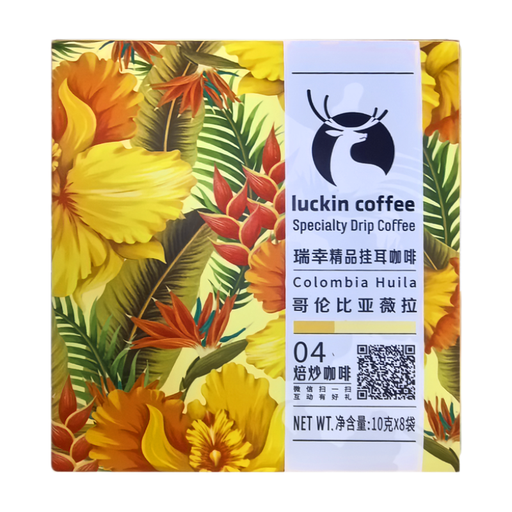 Image unavailable
Consider this for a single-cup pour-through break rather than a bag left to steep in the mug. The named pack contains eight 10 g bags; check the preparation directions for the water and pouring method.
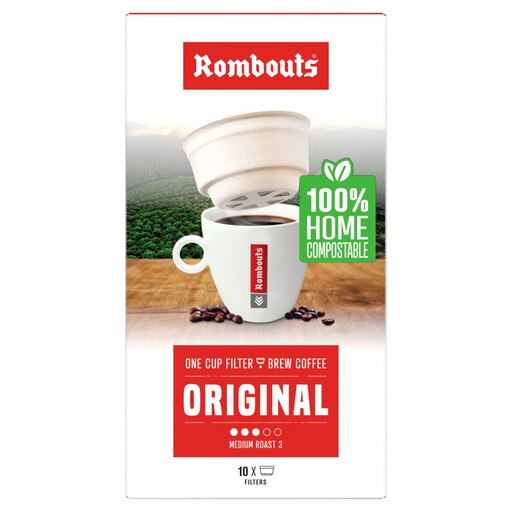 Image unavailable
This cup-top filter suits a pour-through routine, not a pyramid-bag search. Rombouts instructs users to place the filter on a cup and pour in hot, not boiling, water; check your council’s instructions before disposing of the used filter or packaging.
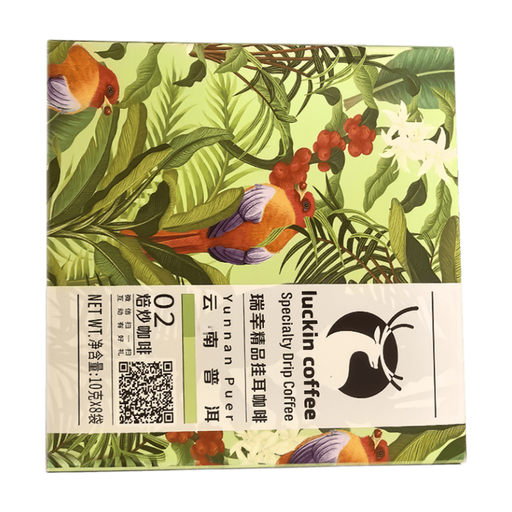 Image unavailable
Choose this format if pouring hot water through a filter over a cup fits your break. The named pack contains eight 10 g bags; it is not a pyramid-shaped bag for steeping in the mug.
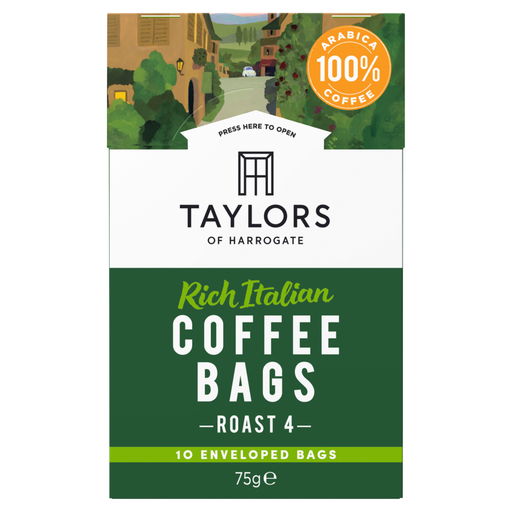 Image unavailable
These individually wrapped coffee bags suit a portion kept for an occasional break. If pyramid construction matters, confirm the shape on this pack; follow its own instructions for water quantity and brewing time rather than assuming they match Taylors’ general guidance.
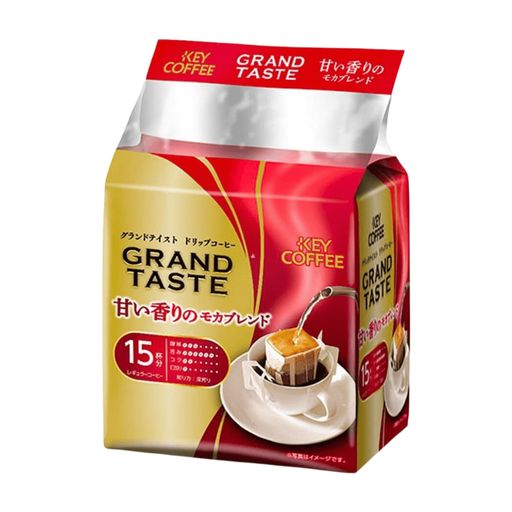 Image unavailable
This drip-bag option is for pouring hot water through a filter over a mug, rather than steeping a pyramid bag. The named pack is 90 g; check its label for the number of portions and preparation directions.
No. “Coffee bag” does not confirm a pyramid shape. Raw Bean explicitly describes its bags as pyramid-shaped; check the exact product description for other bags rather than inferring their construction. A Rombouts one-cup filter sits on the cup instead of steeping in it.
Follow the instructions for the bag you have bought. Raw Bean describes a three-minute infusion for its coffee bags, while Taylors’ general coffee-bag method specifies about 250 ml of water just off the boil and a four-minute brew; neither instruction should be assumed to apply to every product.
The coffee-bag and Rombouts one-cup-filter methods described here do not need a machine. A coffee bag steeps in a mug; Rombouts instructs users to rest its filter on a cup and pour in hot, not boiling, water up to the marked line.
Do not assume so: check your council’s instructions for the item and its packaging. England’s Department for Environment, Food & Rural Affairs says local authorities retain flexibility in collection arrangements, while Cornwall Council directs residents to put compostable packaging in their rubbish bin.