Who is each format for?
The deciding difference is who will make the coffee, and what they will have to make it with.
Self-service lunch organisers
If attendees have mugs and hot water but no staffed brewing station, coffee bags let them steep ground coffee in their cups. Taylors of Harrogate describes its coffee bags as individually wrapped; check the wrapping and count of the exact pack you order.
Caterers with brewing equipment
Loose ground coffee is an option when someone can measure it, operate compatible cafetières or filter equipment, and clear up afterwards. Check the chosen coffee’s instructions against the equipment at the venue.
Organisers offering regular and decaf
Plan the two drinks as separate, clearly identified products. The ranges listed by illy, Rombouts and UK hospitality supplier Out of Eden include decaffeinated options, but the preparation format must still suit the lunch setup.
Relevant brand ranges
These ranges illustrate the formats to compare; a brand’s ground-coffee range does not establish that it supplies a 240-bag case.
Lavazza
Lavazza lists ground coffees in several pack weights and says its grinds are calibrated for their intended brewing methods.
- Check the chosen product’s stated method against the venue’s brewer.
- A weighted ground-coffee pack should not be treated as a portioned coffee-bag order.
Illy
Illy’s UK range lists ground coffees for espresso, filter and moka preparation, including decaffeinated variants.
- The stated preparation style helps narrow the choice for an equipped serving station.
- Its listed 125 g and 250 g formats are weights, not coffee-bag counts.
Taylors of Harrogate
Sainsbury’s lists both Taylors ground coffee and 10-count coffee bags; Taylors’ Joybuy description explains that its coffee bags steep in a cup.
- Coffee bags give a cup-brewing option for a self-service setup with hot water.
- Confirm the bag count of the exact pack before planning a large order.
Rombouts
Rombouts lists vacuum-packed ground coffee and a decaffeinated ground-coffee option.
- The decaf listing gives an option to assess for a staffed brewing station.
- Loose ground coffee still requires the appropriate preparation equipment.
Tesco Finest
Tesco Groceries gives brewing directions for its Finest Café Blend ground coffee in a 227 g pack, including cafetière instructions.
- The directions provide a starting point for planning preparation with compatible equipment.
- This is loose coffee sold by weight, not a counted box of coffee bags; check the current pack label.
Sainsbury's Taste the Difference
Sainsbury’s lists 227 g ground coffees in this range. Its Moments of Calm product page gives cafetière directions for that specific coffee.
- Product-specific directions help when planning a cafetière service.
- A 227 g loose-coffee pack does not establish a number of portioned bags.
Joybuy options for the lunch
These options cover cup-brewing coffee bags for self-service and a case of loose ground coffee for an equipped, staffed setup. Check the count on any coffee-bag pack before using it to fulfil a 240-bag order.
 No image available
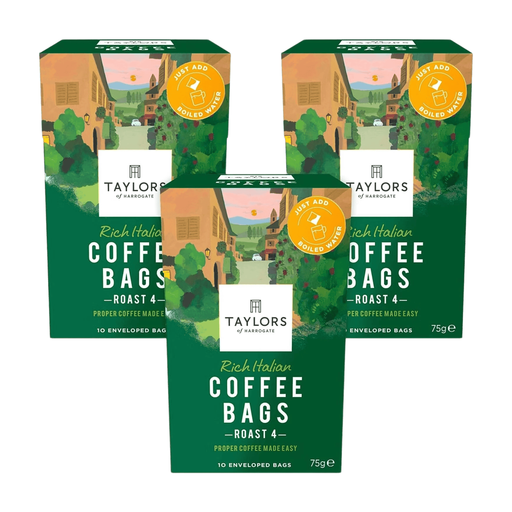
Taylors of Harrogate Rich Italian Coffee Bags 75g x 3
For attendees making coffee in a mug with hot water. This listing is for three 75 g packs; confirm the number of bags in each pack before calculating an event order.
View on Joybuy
 No image available
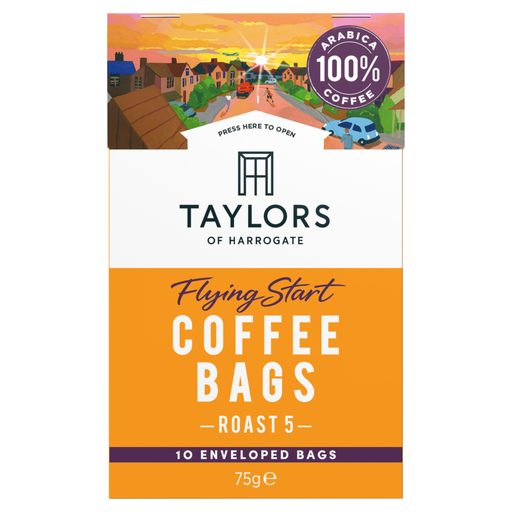
Taylors of Harrogate Flying Start Coffee Bags 75g
A coffee-bag format to consider where mugs and hot water are available. The 75 g pack weight does not establish its bag count; confirm the portions needed for the lunch.
View on Joybuy
 No image available
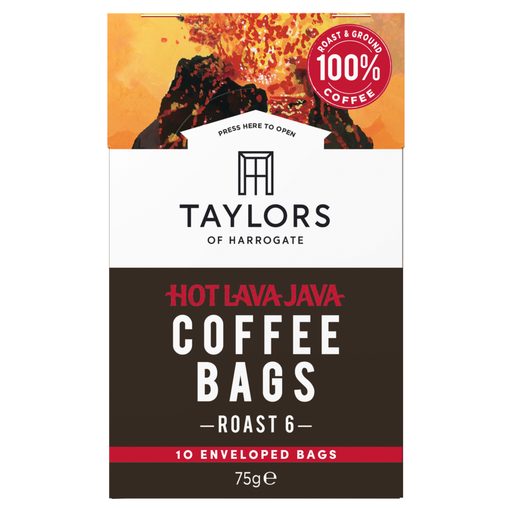
Taylors of Harrogate Hot Lava Java Coffee Bags 75g
Another cup-brewing option for a lunch with mugs and hot water. Check how many bags the 75 g pack contains and whether each bag is wrapped separately if that matters for distribution.
View on Joybuy
 No image available
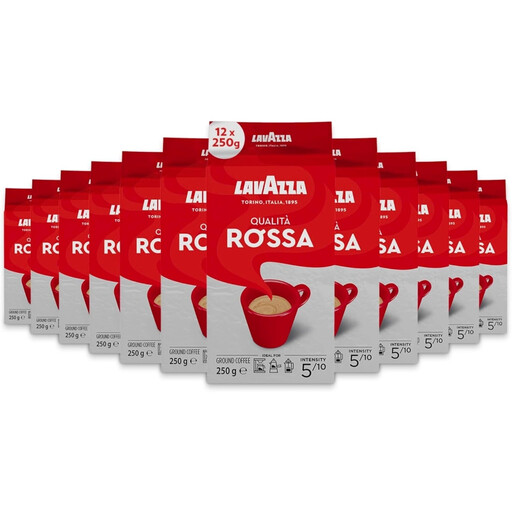
Qualita Rossa Ground Case 12 x 250g
A loose ground-coffee case for a venue with compatible brewing equipment and someone to prepare and clear up. Its twelve 250 g packs are sold by weight, not as 240 individual coffee bags or a confirmed number of servings.
View on Joybuy
Common questions
Are coffee bags the same as loose ground coffee?
No. A coffee bag contains ground coffee in a bag that steeps in a cup; Taylors of Harrogate compares its preparation to a tea bag. Loose ground coffee needs a compatible brewer, such as a cafetière or filter machine.
Does a box marked “240” guarantee 240 coffees?
No. Confirm what the number counts and whether the contents are coffee bags. Loose ground coffee is commonly labelled by weight, while counted coffee-bag packs are a separate format; neither a weight nor a case label alone establishes 240 servings.
How should we prepare loose coffee for a lecture lunch?
Follow the instructions for the exact coffee and brewer, and assign someone to prepare and clear it. For example, Tesco Groceries’ directions for its Finest Café Blend specify about one rounded tablespoon per person and a 3–5 minute brew in a cafetière; do not assume that measure applies to another coffee or machine.
What should we do with ground coffee left after lunch?
Follow the delivered pack’s storage and after-opening directions. If the order may outlast one lunch, check those directions before choosing between opened loose-coffee packs and individually portioned bags.
Should we order decaf as well?
Consider a clearly identified decaf option if the lunch plan calls for a choice. Decaffeinated loose coffee and coffee bags appear in the ranges listed by illy, Rombouts and Out of Eden; check the exact product’s format and count against your service setup.


