Kettle-led self-service canteens
For lunch areas where employees make their own coffee with hot water and a mug, coffee bags offer a way to prepare individual cups without measuring loose grounds or sharing a cafetière.


For kettle-led, cup-by-cup lunch service, an 80-count box of individually wrapped coffee bags is a more direct fit than loose grounds: the Taylors Rich Italian box listed by Staples UK contains 80 bags of ground coffee. Choose loose grounds when the canteen has a compatible brewer and a repeatable recipe. An 80-bag box and a pack of loose coffee are different formats, so plan quantities using the actual cup size and preparation method rather than pack count alone.
For lunch areas where employees make their own coffee with hot water and a mug, coffee bags offer a way to prepare individual cups without measuring loose grounds or sharing a cafetière.
For teams that already have brewing equipment and can set a consistent dose, cup volume and cleaning routine, loose ground coffee keeps the recipe under the operator’s control.
For teams considering different roasts or a separate decaffeinated option, the starting point is what the brewer can use and how each coffee will be identified during service.
Choose when: Lunch service is self-service, with hot water and mugs rather than a batch brewer.
Trade-off: Each cup uses its own bag and wrapper; this format does not supply loose grounds for a filter-machine batch.
Choose when: A compatible filter brewer or cafetière is available and someone can follow a measured recipe.
Trade-off: Batch size and dose can be adjusted, but measuring, brewing, storing opened coffee and disposing of grounds need a routine.
Set the service format first, then check the brewer, expected cup volume and handling routine before deciding how much to order.
| Priority | What to check | Your needs |
|---|---|---|
| Preparation during lunch | Check whether people will brew individual mugs with hot water or staff will prepare a batch. For an 80-bag order, confirm that the supplier’s pack contains 80 individual coffee bags. | I want people to make a cup during a short lunch break without measuring grounds or cleaning a shared cafetière after each use. |
| Brewer compatibility | Read the exact coffee’s stated preparation methods and the brewer manual. Taylors of Harrogate describes its wholesale ground range as pre-ground for filter and cafetière use; that does not establish compatibility with every machine. | Our existing brewer should determine which loose-ground product we consider, rather than the roast name or brand alone. |
| Quantity and dose | Record the cup volume, daily number of cups and product-specific recipe. Rombouts recommends 60 g per litre as a starting point for Cachet d’Or; Sainsbury’s gives a different, tablespoon-based cafetière instruction for its 227 g Fire Up Your Morning coffee. | I need an order quantity based on the cups we actually serve, not an assumed serving count for every pack of loose coffee. |
| Storage and handling | Check the chosen product’s instructions for storage after opening, and decide who will measure coffee, clean equipment and dispose of used grounds or bags. | There should be a workable routine between lunch services, especially if opened packs or a shared brewer are involved. |
| Coffee choice | Compare the stated roast and preparation variant, then trial the coffee using the canteen’s own recipe. If adding decaffeinated coffee, give it a distinct label and place in the service area. | I would like a recognisable alternative to the standard coffee without assuming that one flavour or caffeine option suits everyone. |
| Food-service controls | If the canteen operates as a food business, check its food-safety procedures. The Food Standards Agency’s guidance requires retail and catering food business operators to provide allergen information for prepacked and non-prepacked food and drink. | When coffee is served with milk or other additions, I need the relevant product information available to staff and customers. |
The Taylors Rich Italian pack of 80 listed by Staples UK contains individually wrapped bags of ground coffee, not loose grounds for a batch-brewing workflow.
Specify either individual coffee bags or loose ground coffee on the order, after confirming whether lunch service is cup-by-cup or batch-brewed.
The number of cups from loose grounds depends on the recipe and cup size. Rombouts’ 60 g-per-litre starting recipe and Sainsbury’s tablespoon-per-200 ml cafetière instruction apply to their respective coffees and methods.
Write down the canteen’s cup volume, dose and expected daily cups, then test that recipe before setting a recurring order quantity.
Without a set recipe, the same pack weight can lead to a different number of cups than the order plan assumes.
Ground-coffee ranges include different preparation variants. For example, illy lists separate espresso, filter and moka grounds, while Rombouts specifies filter and cafetière use for Cachet d’Or.
Check the exact product’s preparation statement against the canteen’s machine manual before ordering it for that brewer.
For a canteen operated as a UK food business, GOV.UK guidance requires a food-safety management system. Food Standards Agency allergen-information guidance applies to retail and catering food business operators, including food and drink served with additions.
Follow the site’s procedures and keep the relevant information for milk, syrups, toppings and accompaniments available.
These ranges illustrate different pack and preparation formats; check the exact product rather than treating a brand name as a brewer specification.
Offers both loose grounds and an individually wrapped coffee-bag format relevant to different canteen setups.
A reference for canteens planning filter or cafetière service with a measured recipe.
Its ground range includes products with individually stated preparation methods.
Its UK ground-coffee range separates espresso, filter, moka and decaffeinated variants.
A retail-pack route for comparing roast-and-ground coffee choices before committing to a canteen recipe.
A retail-pack range with a standard ground coffee and a separately identified Half Caff option.
These options include coffee bags for individual cups, loose grounds for a brewing routine and a decaffeinated ground coffee. Check the bag count of the 75 g coffee-bag pack before using it to fulfil an 80-bag order.
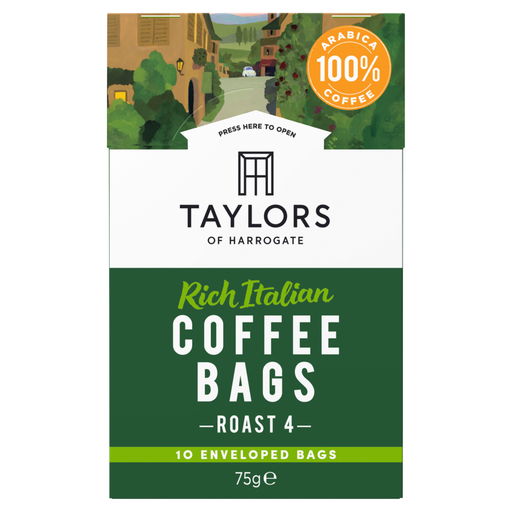 No image available
For individual cups prepared with hot water rather than a batch brewer. Joybuy describes these as individually wrapped bags of ground coffee; the pack is labelled 75 g. Confirm its bag count before ordering it against an 80-bag requirement.
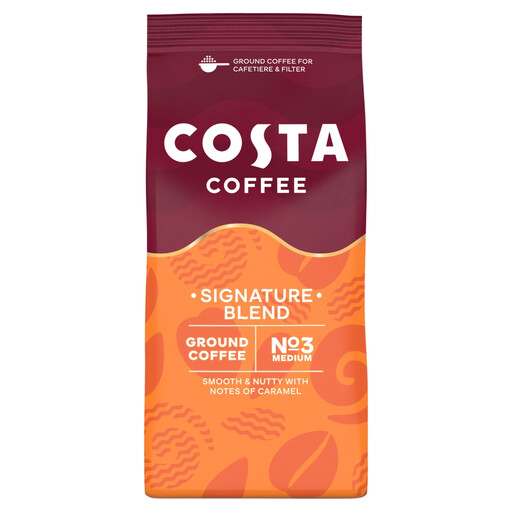 No image available
A loose-ground option for a canteen using a cafetière or filter brewer. The product name specifies No. 3 medium ground coffee for those methods; set the order quantity from the canteen’s own cup size and recipe.
 No image available
A 200 g loose-ground option to consider for filter or cafetière service: Taylors lists After Dark in its range pre-ground for those methods. Measure against the site’s recipe rather than treating the pack as a set number of cups.
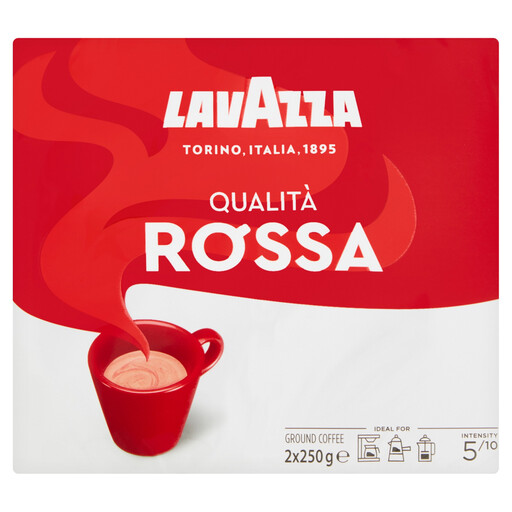 No image available
A 500 g pack of loose ground coffee for a canteen planning measured servings. Check this exact product’s preparation directions against the brewer, then calculate the quantity needed from the chosen dose and cup volume.
 No image available
A separately identifiable decaffeinated ground-coffee choice alongside the standard offer. The pack is labelled 200 g; check its preparation directions against the canteen’s brewer and label it clearly during service.
No. The Taylors Rich Italian box listed by Staples UK contains 80 individually wrapped coffee bags for cup-by-cup preparation. Loose grounds are measured for a particular brewer and cup size, so their serving yield depends on the recipe.
Start with the coffee’s instructions and the canteen’s actual cup volume. For illustration, 80 cups of 200 ml make 16 litres; at Rombouts’ suggested starting dose of 60 g per litre for Cachet d’Or, that would take 960 g of that coffee. Adjust the recipe after a taste trial and follow the brewer manufacturer’s instructions.
No product’s preparation directions establish compatibility with every machine. Taylors describes its wholesale ground range for filter and cafetière use, while Lavazza specifies moka, filter and French press for Espresso Italiano Classico. Check the exact coffee and the machine manual together.
It is a service choice if the canteen wants an alternative to its standard coffee. Ground decaffeinated products are listed by brands including illy; choose a variant that matches the brewer, and label it distinctly so the two coffees are not confused.
If the UK canteen is operated as a food business, GOV.UK guidance says it must make and follow a food-safety management system. The Food Standards Agency says retail and catering food business operators must provide allergen information for prepacked and non-prepacked food and drink. Check the site’s procedures and the information for any milk or other additions served with the coffee.