Weekday cafetière and filter drinkers
If you make black coffee before work, begin with beans recommended for your brewer. Union Coffee recommends its chocolate-and-caramel House Roast for cafetière and filter brewing.


For cafetière or filter breakfasts, start with beans recommended for that method, such as Union House Roast. If you usually add milk, Lavazza positions its Arabica–Robusta Crema e Aroma blend for milk recipes; if you prefer a smoky, extra-dark cup, Taylors of Harrogate describes Hot Lava Java in those terms. For less caffeine, look for beans explicitly labelled decaf or half-caff rather than judging by roast or intensity.
If you make black coffee before work, begin with beans recommended for your brewer. Union Coffee recommends its chocolate-and-caramel House Roast for cafetière and filter brewing.
If your usual cup is a latte or cappuccino, check whether the maker recommends the beans for milk drinks. Lavazza describes its Arabica–Robusta Crema e Aroma blend as suitable for milk recipes.
Look for a product labelled decaf or half-caff rather than relying on its roast name. Union Coffee says its Half Caff combines caffeinated and decaffeinated beans; Lavazza also lists decaffeinated whole beans.
Start with your brewer and usual cup, then compare flavour descriptions, caffeine labelling and the preparation a bag of whole beans will require.
| Priority | What to check | Your needs |
|---|---|---|
| Brewing method | Check the maker’s recommended methods against your cafetière, filter brewer, espresso machine or bean-to-cup machine. Union Coffee recommends House Roast for cafetière and filter brewing, and Revelation for espresso. | I make coffee the same way on most workdays and want beans chosen with that brewer in mind. |
| Flavour profile | Read the roast and flavour description rather than treating intensity as a quality score. Illy describes CLASSICO as smooth with caramel and floral notes; Taylors of Harrogate describes Hot Lava Java as extra-dark, smoky and peppery. | A smooth black cup appeals more than a pronounced dark roast—or I already know that smoky coffee is what I enjoy. |
| Milk drinks | Look for stated milk-recipe suitability instead of inferring it from the bean species alone. Lavazza identifies its Arabica–Robusta Crema e Aroma blend as an option for milk recipes. | My breakfast coffee usually includes milk, so I want to choose a blend with that drink in mind. |
| Caffeine choice | Check whether the product is labelled decaf or half-caff; an intensity score does not state the caffeine in a cup. Union Coffee says Half Caff combines caffeinated and decaffeinated beans. | I would like less caffeine while keeping coffee in my morning routine. |
| Whole-bean preparation | Check the bag size and how you will grind the beans for your brewer. Lavazza UK notes that whole beans are ground on demand. | I need a preparation step that fits the time I have on weekday mornings. |
An intensity label describes a particular product’s profile; it does not tell you precisely how much caffeine will be in your cup or whether you will enjoy it at breakfast.
Compare the roast, flavour description and recommended brew method. If reducing caffeine is the aim, choose beans explicitly labelled decaf or half-caff.
Union Coffee recommends House Roast for cafetière and filter brewing, but positions Revelation for espresso. Those distinctions matter if you make the same style of coffee each morning.
Check the product’s brewing guidance against the equipment you use before choosing between flavour profiles.
Union Coffee says its Half Caff contains both caffeinated and decaffeinated beans; decaf is a different product choice. Roast darkness does not identify either one.
Read the caffeine labelling on the exact bag. If you need to account for total caffeine intake, include other drinks and foods rather than considering breakfast coffee alone.
These ranges provide examples of different blend choices; compare individual products rather than assuming every coffee from a brand has the same flavour or brewing guidance.
Lavazza lists whole-bean options for different breakfast routines, including blends intended for milk drinks and decaffeinated beans.
Illy’s CLASSICO is a 100% Arabica blend described by the brand as smooth and velvety.
Hot Lava Java is a Taylors of Harrogate option for drinkers who deliberately want an extra-dark roast.
Union Coffee gives method-specific guidance across blends with different breakfast uses.
The M&S coffee-bean range lists espresso, Italian-style and French-style choices alongside other beans.
Waitrose lists origin-led No.1 whole-bean coffees as well as a decaf option.
These Joybuy options include whole beans for a regular breakfast routine and two labelled decaf choices. Check each bag’s brewing guidance against your equipment, particularly when choosing between espresso and cafetière or filter use.
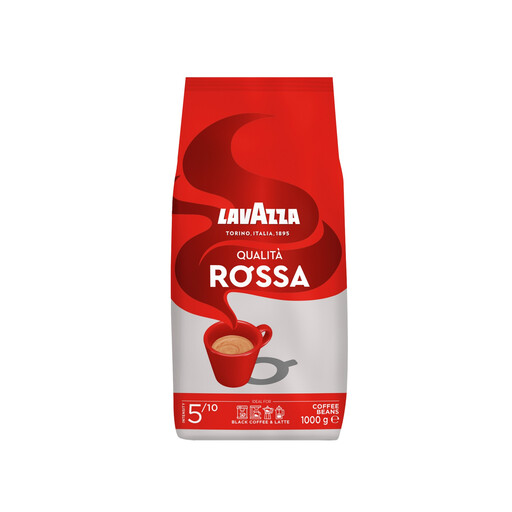 Image unavailable
For a regular weekday cup, this is a 1000g whole-bean option; check the bag’s guidance if you use a cafetière or filter brewer.
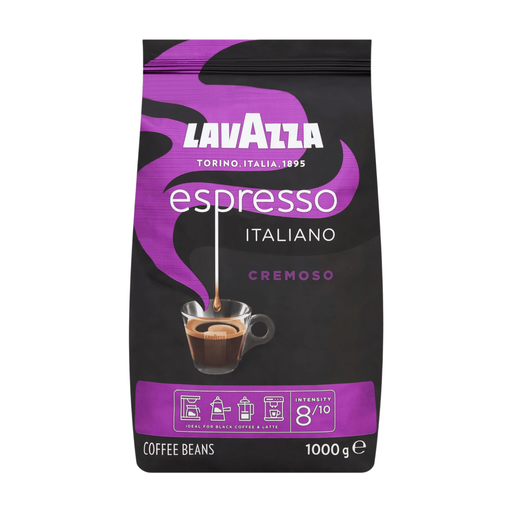 Image unavailable
If espresso is your weekday breakfast drink, compare the brewing guidance and flavour description on this 1kg bag with the cup you want to make.
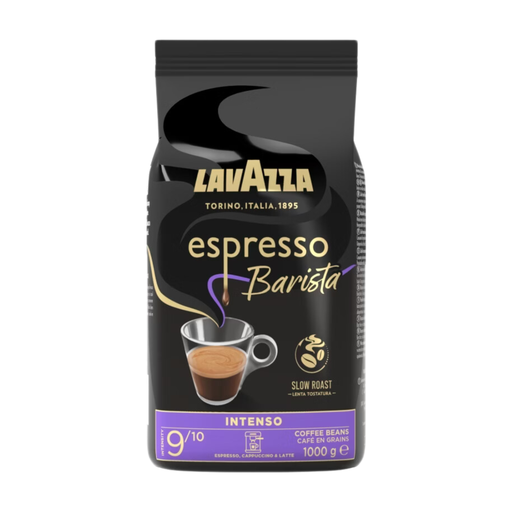 Image unavailable
For an espresso-centred breakfast routine, check this 1kg bag’s stated methods and flavour profile rather than relying on the word ‘Intenso’ to predict your cup.
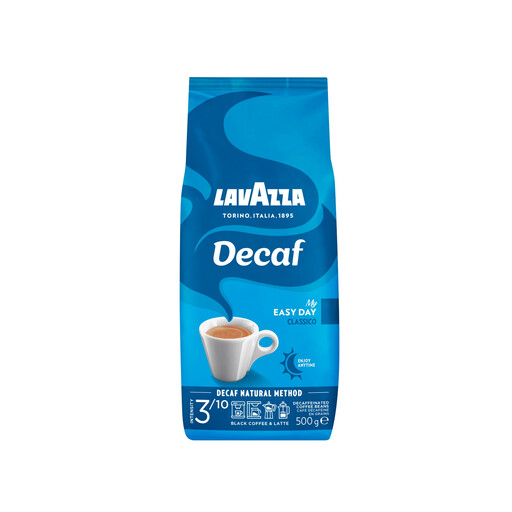 Image unavailable
For a breakfast routine with decaf beans, this 500g option is labelled decaffeinated; confirm its brewing guidance for your equipment.
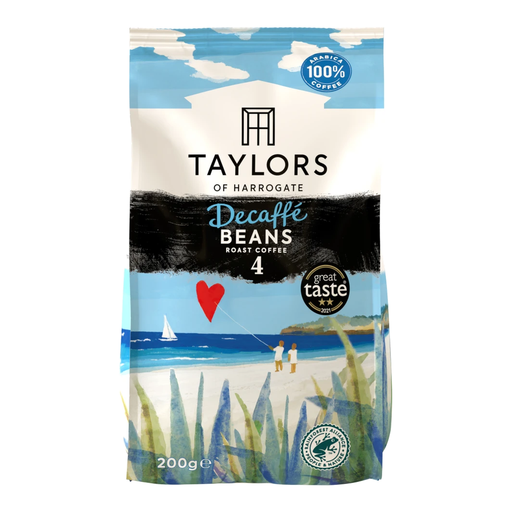 Image unavailable
This 200 g bag is another labelled decaf choice for breakfast; check the pack’s brewing instructions before pairing it with your usual brewer.
Choose by the stated flavour and brewing guidance, not by blend or origin alone. Union Coffee recommends its House Roast blend for cafetière and filter use, while the M&S and Waitrose ranges also include origin-led beans whose individual descriptions are worth checking.
Bean composition alone does not give you a precise caffeine amount per cup. Lavazza describes Crema e Aroma as an Arabica–Robusta blend for milk recipes, while Taylors of Harrogate describes the Robusta in Hot Lava Java as adding caffeine; those product descriptions do not establish a rule for every blend.
Start with beans whose maker recommends them for that method. Union Coffee recommends Revelation for espresso or bean-to-cup brewing; check the guidance on any other bag rather than assuming all whole beans have the same intended use.
Look for beans labelled decaf or half-caff instead of estimating caffeine from roast darkness. Union Coffee says its Half Caff mixes caffeinated and decaffeinated beans, while Lavazza sells decaffeinated whole beans. For pregnancy, NHS guidance sets a limit of 200 mg of caffeine a day from all sources, not just coffee.
Check the exact pack’s ingredient and precautionary allergen statements if an allergen matters to you. The Food Standards Agency explains that statements such as ‘may contain’ communicate a possibility of unintended allergen presence; a coffee’s flavour or origin name cannot replace its labelling.