What should you check?
Decide how you will brew and serve the coffee, then compare blends by their stated roast, composition and tasting notes. Pack size matters if the beans will be used over several visits rather than at one gathering.
| Priority | What to check | Your needs |
|---|
| Flavour |
Compare the roast level and the maker’s tasting notes. Check the individual blend rather than judging its flavour from Arabica or Robusta content alone. |
I am serving people with different tastes and would rather start with a medium, chocolate-, caramel- or nut-led blend than assume everyone wants an especially dark cup. |
| Brewing |
Look for a recommendation for your espresso machine, bean-to-cup machine, cafetière or filter brewer. Grind whole beans to suit that equipment. |
Will I be making individual espresso drinks or a pot to share? I want the beans to match the drinks I actually plan to serve. |
| Milk drinks |
Check whether the maker specifically recommends the blend for milk-based coffee; do not infer this from a dark roast or an intensity number alone. |
If friends mainly want lattes or cappuccinos, I will choose with those drinks in mind. For mostly black coffee, I will compare other stated brewing uses too. |
| Pack size |
Compare the bag size with how much you expect to use. Read the exact pack’s instructions for storage after opening. |
A larger bag makes sense only if I have a plan to use and store the remaining beans; for an occasional pot, a smaller pack may be easier to manage. |
| Guest requirements |
Check whether decaffeinated beans are needed. Read the current pack’s ingredients and allergen information before serving anyone with an allergy or intolerance. |
I can ask whether anyone wants decaf or needs an ingredient checked, rather than assuming one bag will cover every guest. |
Brand references
These examples show how particular product lines describe their blends and intended uses; the name on the bag alone is not a substitute for checking the exact product.
Lavazza
Lavazza describes Tales of Roma as a medium Arabica-Robusta blend with hazelnut and dark-chocolate notes.
- Its stated roast, composition and tasting notes make it possible to compare the blend with guests’ preferences.
- Guests specifically looking for 100% Arabica will need a different blend.
illy
illy describes Classico as a 100% Arabica blend with caramel, orange-blossom and jasmine notes.
- illy recommends Classico for moka, filter, espresso and lungo preparations.
- Check how many cups you need before choosing its 250 g pack.
Taylors of Harrogate
Waitrose lists Taylors of Harrogate whole-bean coffees, including Rich Italian Beans and Lazy Sunday Coffee Beans.
- The named products give you separate packs to compare for a gathering.
- Check the exact pack for roast, composition and brewing recommendations before choosing between them.
Union Hand-Roasted Coffee
Union distinguishes its medium House Roast, recommended for cafetière and filter, from dark blends such as Foundation for espresso and milky drinks.
- Its product-specific brewing guidance helps match a blend to the drinks being served.
- A dark espresso blend is a more particular choice when friends mainly want black cafetière or filter coffee.
M&S
Marks & Spencer describes its Roast & Ritual house blend as 100% Fairtrade Arabica, with candied-nut and dried-fruit notes.
- The stated composition and tasting notes offer concrete points to compare with other blends.
- M&S advises checking the current label because product details may change.
Waitrose
Waitrose states that its No.1 Italian Espresso beans contain 50% Fairtrade Arabica and 50% Fairtrade Robusta and can be served black or with milk.
- The stated recipe and serving guidance are useful when planning espresso and milk drinks.
- Guests who specifically want an Arabica-only blend will need another option; check the current pack before serving.
Joybuy coffee-bean options
These whole-bean options include larger bags for planned group use, a smaller dark blend and a decaffeinated choice. Compare each pack with your brewer and expected number of servings.
 No image available
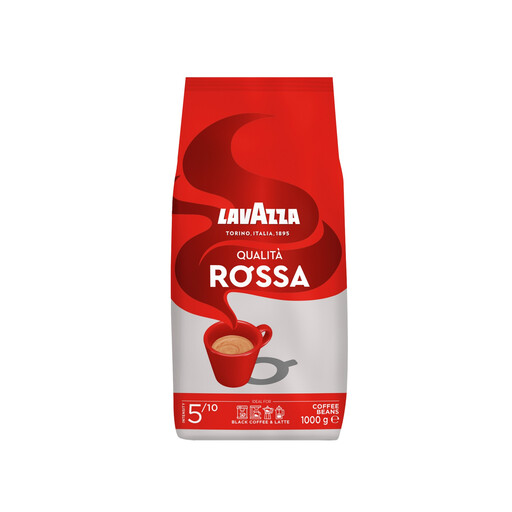
Lavazza Qualita Rossa Coffee Beans 1000g
Consider this 1000 g bag if you expect to make coffee for several friends and use the remaining beans. Check the pack’s brewing and storage instructions against your plans.
View on Joybuy
 No image available
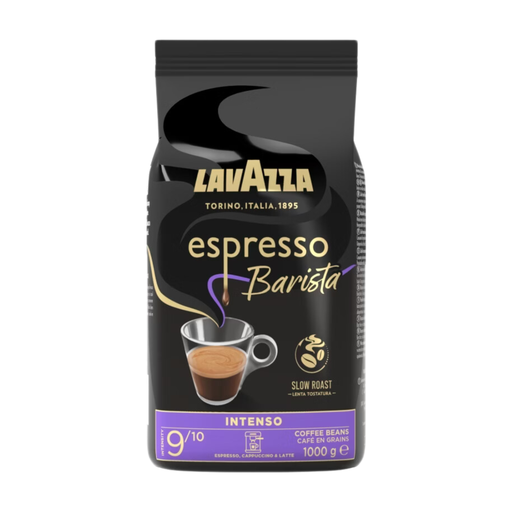
Lavazza Barista Intenso Beans 1kg
For a gathering centred on espresso drinks, compare this 1 kg bag’s pack guidance with your machine and serving plans. Decide how you will store any beans left after the visit.
View on Joybuy
 No image available
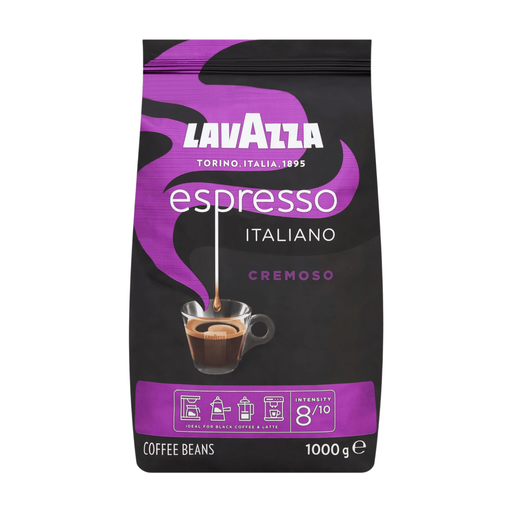
Espresso Italiano Cremoso Beans 1kg
This 1 kg espresso-named option is worth comparing if you plan to serve espresso to a group. Check the exact pack for preparation guidance and plan how you will use the remaining beans.
View on Joybuy
 No image available
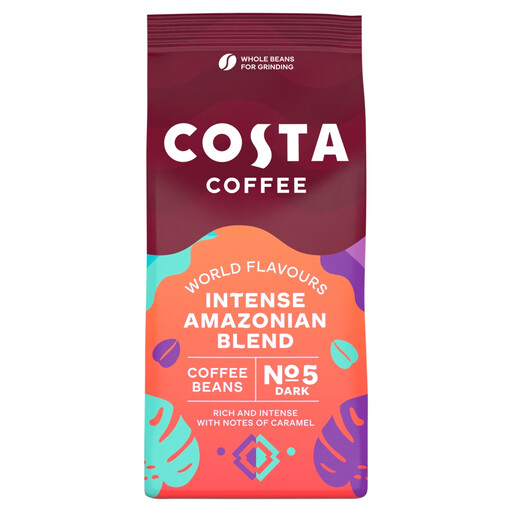
Costa Intensely Dark Amazonian Blend Coffee Beans 200g
Consider this 200 g dark-blend bag when guests have asked for that flavour direction, rather than assuming it will suit everyone. Check its brewing guidance and the package date when choosing beans for a particular occasion.
View on Joybuy
 No image available
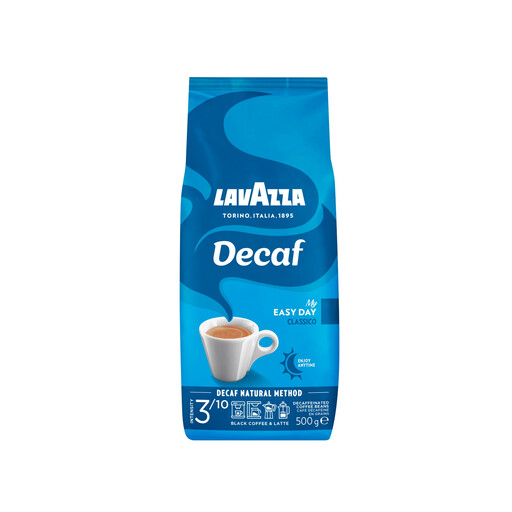
Lavazza Decaffeinated Coffee Beans 500g
This 500 g decaffeinated option gives you a separate choice for guests who request decaf. Check the pack’s recommended preparation against the brewer you will use.
View on Joybuy
Questions about serving coffee to friends
What blend should I buy when I do not know everyone’s preferences?
A medium blend with chocolate, caramel or nut tasting notes is a practical starting point, provided the maker recommends it for your brewer. It cannot guarantee that everyone will like the same cup, so ask about strong preferences or a decaf request before buying.
Should I choose 100% Arabica or an Arabica-Robusta blend?
Choose by the particular product’s roast, tasting notes and brewing guidance, not bean composition alone. illy recommends its 100% Arabica Classico for several preparations, while Waitrose describes its 50% Arabica, 50% Robusta No.1 Italian Espresso as suitable black or with milk.
What grind should I use for a cafetière, filter machine or espresso maker?
A cafetière generally calls for a coarser grind, filter coffee for a medium grind and espresso for a finer grind. Check your brewer’s instructions and the guidance on the beans you buy before grinding.
How should I store beans left after friends visit?
Follow the exact pack’s directions and grind only what you need for each preparation. Storage periods and instructions differ between products: Waitrose advises using its No.1 Italian Espresso beans within two weeks of opening, while M&S gives different instructions for its Italian Style beans.
Should I check the label when serving a guest with an allergy?
Yes. Read the current pack’s ingredient and allergen information before serving, because online product details can change. If you are unsure whether a product meets your guest’s requirements, check with them rather than relying on an older listing.


