Workplace or hospitality buyers with brewing equipment
If you regularly serve a group and can manage grinding, refilling and cleaning, 1 kg bags or multi-bag cases offer a way to stock whole beans without handling as many small packs.


Choose whole beans for a recurring morning break if you have a bean-to-cup machine or a workable grinder and brewer; calculate the weight to order from your serving size and recipe, because beans are sold by weight rather than as 240 ready-to-serve portions. If 240 means individually served drinks with little preparation, count-based coffee bags or sachets are the more direct format to assess. Larger bean bags can simplify replenishment, but equipment, preparation time and a decaf choice still need planning.
The useful format depends on whether the organiser is preparing coffee in batches or handing out individual portions.
If you regularly serve a group and can manage grinding, refilling and cleaning, 1 kg bags or multi-bag cases offer a way to stock whole beans without handling as many small packs.
If each person needs a separate, easy-to-count serving, check whether the request is for coffee bags or sachets rather than loose beans. Hospitality suppliers list those formats by unit count.
A shared station may need both a regular bean and a separate decaf option. Choose each around the brewer in use, and trial an unfamiliar roast before committing to a larger case.
Choose when: The break is recurring and a bean-to-cup machine or a suitable grinder and brewer can handle the service.
Allow for: Beans need grinding and preparation, while the number of drinks from each bag depends on the recipe.
Choose when: The requirement is a count of self-service drinks and grinding on site is impractical.
Allow for: Coffee bags and sachets are different products from whole beans, with less scope to adjust a fresh-grind recipe.
Confirm what “240” counts before choosing a pack format. For beans, work from the drinks you intend to make, then check whether the equipment and staff can prepare them in time.
| Priority | What to check | Your needs |
|---|---|---|
| Portion plan | Confirm whether 240 means prepared drinks or individual packs. For beans, set the serving size and dose before converting the plan into kilograms. | I need enough coffee for the planned break, not a bean pack whose weight has been mistaken for a portion count. |
| Equipment and pace | Check for a bean-to-cup machine or a grinder and suitable brewer. Account for grinding, refilling and cleaning during the service window. | If everyone arrives at once, I need a preparation process that can keep up; otherwise, individual portions may be easier to serve. |
| Pack format | Compare bag weights and case configurations against the planned coffee weight. UK listings include 1 kg beans and cases such as 2 x 1 kg; smaller packs can be used for trials. | For a regular break, I would rather plan replenishment around the recipe. If demand or flavour preference is uncertain, I can start with a smaller bag. |
| Roast and brewing method | Read the stated flavour profile and any brew-method guidance for the particular bean. Check that the chosen coffee suits the equipment and drinks being served. | Some people will drink their coffee black and others with milk, so I want to try the chosen roast with our actual recipe before ordering a case. |
| Decaf choice | Check whether a separate decaf bean or an individually portioned decaf option fits the station. Plan separate storage and preparation to avoid mixing beans. | I want guests who limit caffeine to have a clearly distinguishable option, rather than assuming the regular bean works for everyone. |
Whole beans are listed by weight or by cases of weighted bags; coffee bags and sachets are listed as individual units. Confusing those measures can leave the order short of drinks or much larger than intended.
Clarify whether the request means 240 prepared drinks, 240 individual portions or a weight of beans. If it means drinks made from beans, calculate the required weight using the intended recipe.
Whole beans need grinding before brewing. Even with suitable equipment, dosing, refilling and cleaning take time when many drinks are needed close together.
Check the available machine or grinder and brewer, match the grind to the brewing method, and plan who will prepare and maintain the station.
A separate grinder, cleaning supplies and staff preparation time may need to be allowed for if they are not already part of the setup.
A roast that works for one brewing method or group may not be the choice for another. A large case also means more of that bean to store and use.
Try a smaller pack with the intended brewer and serving style, then consider a larger format for a bean the group will use. Plan decaf separately if it is needed.
These brand and retailer ranges provide different pack sizes and brewing options; a range listing does not establish that every product is available through Joybuy.
A whole-bean range with several 1 kg choices for buyers planning regular replenishment.
Smaller whole-bean packs for trying a stated aromatic profile or supplying a lower-volume station.
A case-format option for buyers deciding between smaller bags and kilogram bags.
Whole-bean choices with producer guidance tied to particular brewing methods.
Smaller own-label whole-bean packs that could be considered for a taste trial.
A retailer range spanning smaller whole-bean bags and a listed 1 kg own-label option.
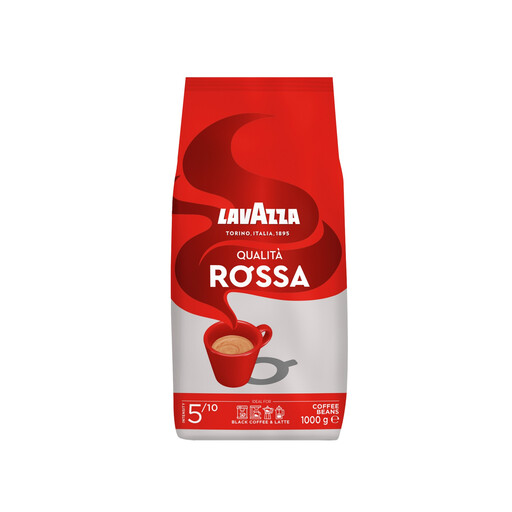
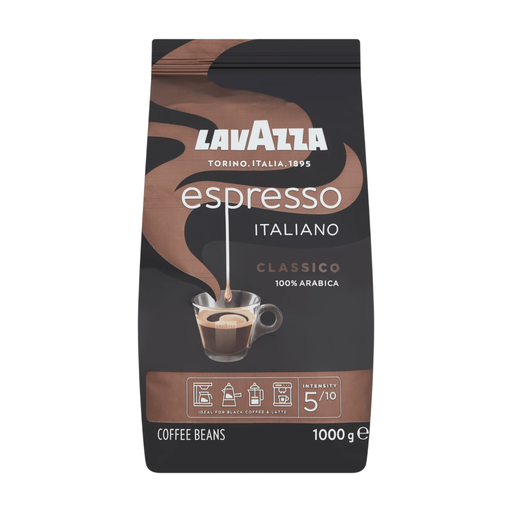
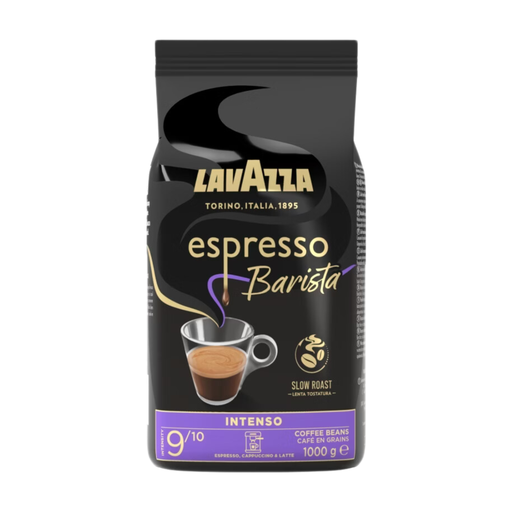
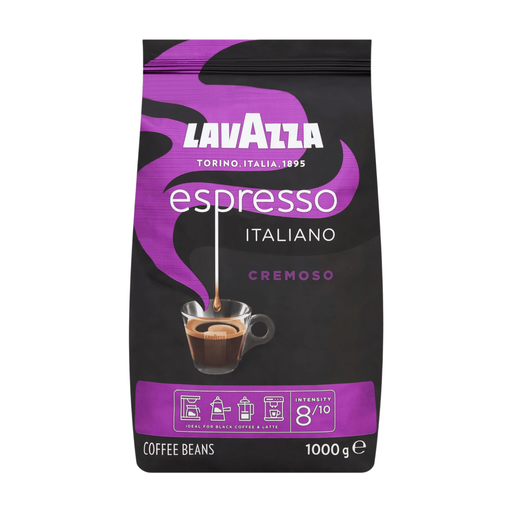
These 1 kg whole-bean options are relevant if the morning break will use a grinder or bean-to-cup setup. They are sold by weight, so use your chosen dose and serving size to work out an order for 240 drinks.
 No image available
Consider this whole-bean pack for a recurring break with suitable grinding and brewing equipment. The 1 kg product is described on its Joybuy page as a medium-roast Arabica–Robusta blend; the number of drinks depends on your recipe.
 No image available
A 1 kg whole-bean option to consider if the morning-break setup can grind and brew beans. Check the intended recipe and equipment before deciding how many bags cover the planned drinks.
 No image available
This 1 kg whole-bean pack is an option for a station with a suitable grinder or bean-to-cup machine. Trial the bean with the service recipe before committing to the quantity needed for a larger break.
 No image available
Another 1 kg whole-bean pack to assess for a prepared morning-break service. Confirm that the brewing setup suits the beans, then calculate the required bags from the number and size of drinks.
Not necessarily. Lavazza UK and Coffee Supplies Direct list whole beans by weight or as cases of weighted bags, whereas hospitality retailer Out of Eden lists coffee bags and sachets by individual count. Confirm whether 240 refers to prepared drinks, individual portions or another ordering unit before choosing a format.
Choose the drink size and brewing recipe first, then multiply the coffee dose per drink by 240 and convert the total to kilograms. Coffee Hit’s January 2023 brewing guide cites a 1:18 coffee-to-water ratio as a starting point, not a fixed dose for every method or cup size. Test the recipe you will actually serve before treating any bag weight as a guaranteed drink count.
No. Whole beans need a bean-to-cup machine or grinding before they can be brewed in suitable equipment. Check the machine instructions and use a grind appropriate to the brewing method; a pod-only setup is not a substitute for a grinder.
A separate decaf option lets guests who avoid or limit caffeine choose a different drink without changing the main bean. If using whole-bean decaf, check how the station will store and prepare it separately; Union, for example, offers a 1 kg Decaf Blend and recommends it for espresso or bean-to-cup brewing.