Hosts serving different coffee preferences
If some guests take coffee black and others add milk, check the blend’s described flavour and preparation methods before settling on one bag.


For an afternoon tea with mixed coffee preferences, choose beans that suit the brewer and the drinks you plan to serve, rather than relying on roast intensity alone. Illy lists its smooth Classico 100% Arabica blend for moka, filter, espresso and lungo; if milk drinks are central, Waitrose describes its No.1 Italian Espresso Arabica–Robusta blend as suitable black or with milk. A separate decaf option is worth considering when guests prefer to avoid caffeine.
If some guests take coffee black and others add milk, check the blend’s described flavour and preparation methods before settling on one bag.
Look for beans the producer recommends for your brewing method. Union, for example, recommends its House Roast for cafetière and filter coffee.
A separate whole-bean decaf gives guests another option. Check that its recommended preparation method fits the equipment you will use.
Start with the brewer and drink menu, then choose a flavour profile and pack size that make sense for the gathering and for any beans left afterwards.
| Priority | What to check | Your needs |
|---|---|---|
| Brewing method | Check the exact blend’s recommended methods. Grind for the equipment: Waitrose advises coarse grounds for a cafetière, medium for filter and fine for stovetop or traditional espresso. | I’m making a shared pot, so cafetière or filter suitability matters more to me than an espresso-style name. |
| Flavour profile | Read the producer’s roast and flavour description rather than assuming all dark or Italian-style blends taste alike. Illy describes floral and caramel notes in Classico; Union describes chocolate and caramel in House Roast. | With different preferences around the table, I’d rather choose a described profile deliberately than make an extra-dark, smoky coffee the only option. |
| Milk drinks | Check whether the blend is described for espresso, cappuccino or latte, or for serving with milk. Waitrose says its No.1 Italian Espresso can be served black or with hot or cold milk. | Several guests want coffee with milk, so I need beans that fit the drinks and machine I plan to use. |
| Decaf choice | Check that the beans are labelled decaffeinated and that their recommended brewing method fits your equipment. Union recommends its whole-bean Decaf for espresso or bean-to-cup preparation. | Some guests may prefer decaf, and I want to be able to prepare it separately from the regular coffee. |
| After-opening storage | Compare the pack size with likely use after the party, then follow that product’s storage instructions. Waitrose advises an airtight container and use within two weeks of opening for Ueshima House Blend. | I may have beans left over, so a pack I can use within its stated storage window is more practical for me. |
Extra-dark coffee is a distinct style: Taylors describes Hot Lava Java as smoky and peppery and says it is not for the coffee novice.
If guests’ preferences are unknown, compare the producer’s flavour descriptions before choosing one bag. Keep a particularly smoky option for a group that wants that style.
The name does not establish how a particular blend will work with your cafetière, filter machine or other equipment. Grind size also differs by brewing method.
Set the drink plan first, check the exact product’s preparation guidance and grind the beans for the brewer you will use.
The Specialty Coffee Association explains that roasted coffee gradually loses aroma. Instructions for an opened pack can differ from those for an unopened one.
Plan how much you will use, keep opened beans sealed as directed and follow the storage window on the pack.
Guests who prefer to avoid caffeine may want another option, particularly when coffee is served later in the day.
Ask where practical. If you offer decaf, label it clearly and use separate grinding equipment or clean the grinder between coffees when keeping the grounds separate matters to a guest.
These examples illustrate different blends and preparation guidance; the descriptions apply to the named products, not every coffee made by each brand.
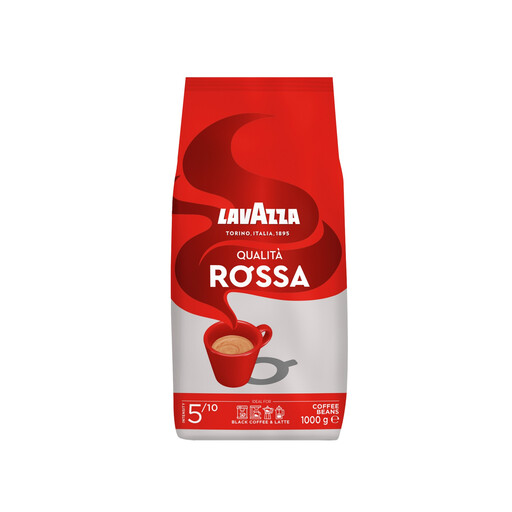
Qualità Rossa is an Arabica–Robusta option for hosts preparing espresso or moka coffee.
Classico offers a 100% Arabica option when one bean needs to cover several listed preparations.
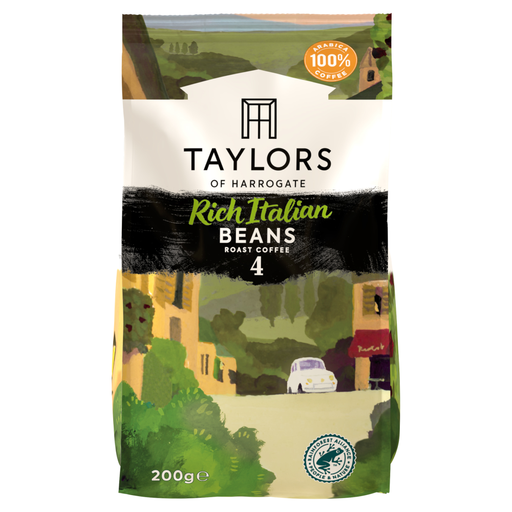
Rich Italian is a richer-style blend to consider without choosing the brand’s extra-dark option by default.
House Roast is a medium-roast option for cafetière or filter service; Union also makes a separate whole-bean decaf.
Espresso Blend is a dark, full-bodied Arabica option for an espresso-led coffee service.
The named whole-bean products offer different routes: Ueshima House Blend is 100% Arabica, while No.1 Italian Espresso combines Arabica and Robusta.
These whole-bean options include regular blends and decaffeinated choices for an afternoon tea. Compare the pack size and confirm that each bean suits the brewer you plan to use.
 No image available
Consider this blend if you are serving espresso or moka coffee. Lavazza describes Qualità Rossa as a medium-roast Arabica–Robusta blend with chocolate and dried-fruit notes. The 1000g pack calls for a plan for any beans left after the party; check its storage instructions.
 No image available
The 200g pack is an option when you want to plan around a smaller amount of beans. Taylors describes Rich Italian as smooth and rich, with chocolate, nut and citrus notes. Check the pack’s brewing guidance against your equipment.
 No image available
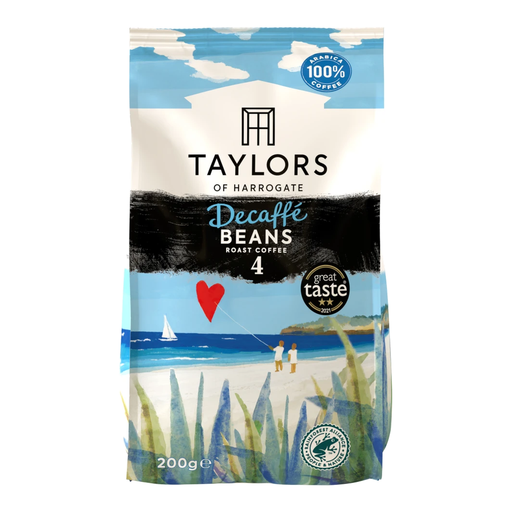
A 200g decaffeinated whole-bean option if you plan to serve decaf alongside regular coffee. Check the pack’s brewing guidance for your equipment; if a guest needs a specific residual-caffeine figure, confirm that separately.
 No image available
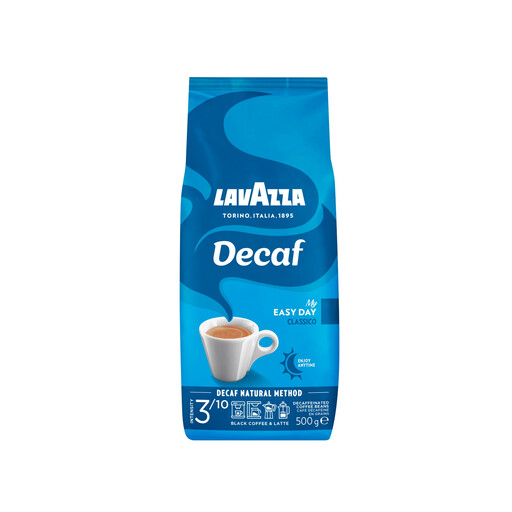
A 500g decaffeinated whole-bean option when several servings of decaf may be useful. Confirm brewing guidance for your equipment and follow the pack’s instructions for storing beans left after the party.
 No image available
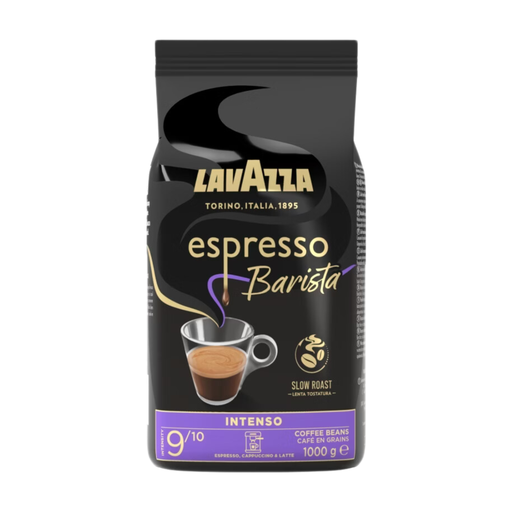
The 1kg pack is worth considering if you expect to make coffee beyond this gathering. Check the product’s brewing guidance against your machine and plan how you will store any remaining beans after opening.
It can if its stated preparation methods cover your equipment and its described flavour suits the drinks you plan to make. Illy lists Classico for moka, filter, espresso and lungo; for milk drinks, Waitrose describes its No.1 Italian Espresso as suitable with hot or cold milk. Offer decaf separately if guests want it.
No; check the exact product’s brewing guidance and set the grind for your equipment. Waitrose advises a coarse grind for a cafetière, medium for filter and fine for stovetop or traditional espresso, while Union recommends its House Roast for cafetière and filter.
Follow the opened-pack instructions for the particular beans. Waitrose advises keeping Ueshima House Blend in an airtight container and using it within two weeks of opening; another product may have different directions.
Offer one when guests say they prefer to avoid caffeine or you want a separate choice for later coffee service. Match the decaf bean to your brewer: Union, for example, recommends its whole-bean Decaf for espresso or bean-to-cup preparation.