First-time whole-bean buyers with a grinder
If you have not settled on a favourite roast, start with tasting notes that sound appealing and a pack size you are comfortable trying. Make sure you can grind the beans for your brewer.


Choose your first coffee beans around how you usually make and drink coffee: a smooth-tasting 100% Arabica option may appeal if you drink it black, while an Arabica–Robusta blend described for milk drinks is another route for lattes or cappuccinos. Bean composition alone does not settle the flavour, so check the roast and tasting notes too. Whole beans also need grinding to suit your brewer; a smaller first bag limits the commitment while you discover what you like.
Your usual drink and brewing equipment are more useful starting points than an intensity number on its own.
If you have not settled on a favourite roast, start with tasting notes that sound appealing and a pack size you are comfortable trying. Make sure you can grind the beans for your brewer.
If lattes or cappuccinos are your usual order, look for a blend the maker specifically describes for those drinks. Lavazza describes Crema e Aroma as an Arabica–Robusta blend for milk recipes; that description does not apply to every Lavazza bean.
Look at brew guidance alongside flavour. Union describes House Roast as a chocolate-and-caramel direction for cafetière or filter coffee, while its lighter Bright Note blend points towards a brighter flavour profile.
Start with your brewer, then choose a flavour direction and a bag size that fits your first shop.
| Priority | What to check | Your needs |
|---|---|---|
| Brewing method | Confirm that the pack contains whole beans, that you have a grinder, and that you can adjust its grind for your brewer. Check whether the blend is described for espresso, moka, filter or cafetière use. | I want beans I can prepare with the equipment I already use, rather than choosing by flavour alone. |
| Flavour and milk | Read the bean composition, roast description and tasting notes together. For milk drinks, check the exact blend’s preparation guidance rather than assuming every Arabica–Robusta blend tastes alike. | If I drink coffee black, a smooth-tasting option appeals to me. If I usually add milk, I want a blend described for that kind of drink. |
| Bag size and storage | Compare the stated quantity with how quickly your household uses beans. Check the pack’s storage and after-opening instructions before choosing a larger bag. | I would rather try a smaller quantity while I learn which roast and flavour I enjoy. |
| Pack information | Check the current physical pack for ingredients, allergen information where relevant, the best-before date and storage directions. Confirm that you have picked up whole beans rather than ground coffee. | I need to make a choice using the details on the item I am actually buying, particularly if ingredients matter to my household. |
Whole beans cannot go straight into a brewer that requires ground coffee. Grind size matters too: illy distinguishes the grind used for moka coffee from the finer grind used for espresso.
Check your grinder and brewer before choosing a bag, and follow the equipment’s grind guidance.
If you do not have access to a grinder, you will need one or another way to have the beans ground.
An intensity number does not tell you everything about a blend’s composition, roast or taste. Numbers on different products should not replace those details.
Read the exact pack’s bean composition, tasting notes and suggested brewing methods, especially when choosing between black coffee and milk drinks.
A large bag is a greater commitment if you discover after a few cups that you prefer another roast or flavour.
Consider a smaller pack for your first shop, and follow its storage and after-opening directions.
Waitrose notes that product recipes can change. An older listing may therefore differ from the pack in your hand, which matters when checking ingredients or allergens.
Read the current physical label before buying or using the beans if you have an allergy, intolerance or other ingredient requirement.
These brand examples show why the exact blend matters more than the name on the bag; their product descriptions are not independent taste tests.
Lavazza describes Crema e Aroma as an Arabica–Robusta blend intended for milk recipes.
Illy describes its CLASSICO beans as a 100% Arabica blend with caramel, orange-blossom and jasmine notes.
Taylors describes its Rich Italian beans as rich and smooth.
Union offers contrasting named blends: House Roast for an everyday flavour direction and Bright Note as a lighter roast that may show more fruit or floral notes.
M&S describes its house blend as made with 100% Fairtrade Arabica beans, with candied-nut and dried-fruit flavour notes.
Waitrose lists its No.1 Italian Espresso beans as 50% Fairtrade Arabica and 50% Fairtrade Robusta.
These whole-bean options include smaller first-try bags and 1kg bags for households comfortable choosing a larger quantity. Match the named roast or blend to your preferred drink, and check the current pack for any preparation details important to you.
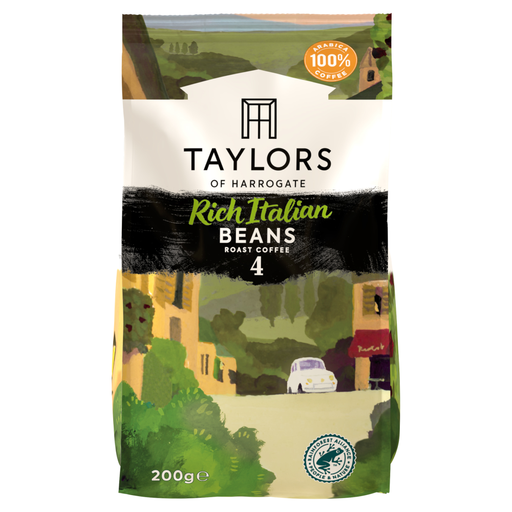 No image available
The 200g bag is an option for trying a smaller quantity. Taylors describes Rich Italian as rich and smooth; check the pack’s brewing guidance for your equipment, and make sure you can grind the beans.
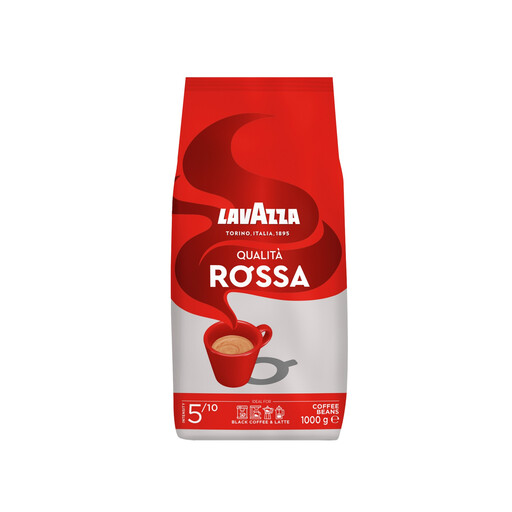 No image available
Consider the stated 1000g quantity against how quickly you expect to use a bag on your first shop. Check this exact blend’s composition and brewing directions rather than applying details from another Lavazza product; whole beans need grinding.
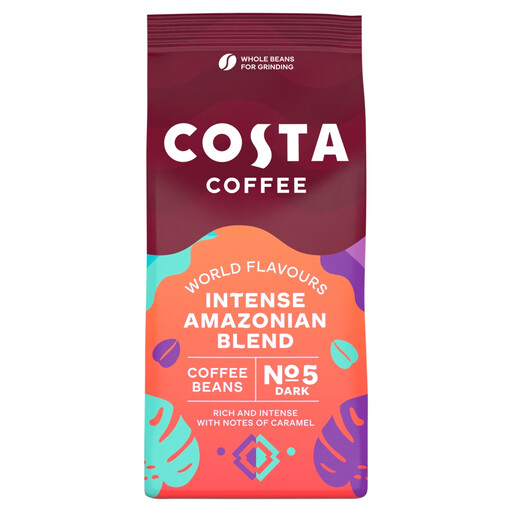 No image available
The 200g bag offers a smaller quantity if you want to try a blend named for an intensely dark style. If you prefer a gentler flavour direction, compare its pack description with other roasts before choosing; grind the beans for your brewer.
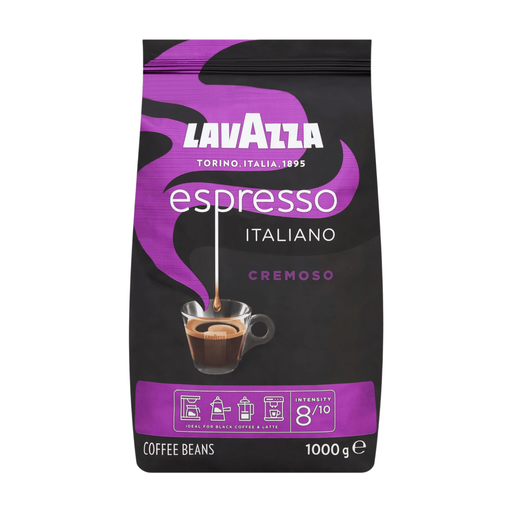 No image available
The 1kg bag calls for a decision about how much coffee you will use and store. Check the exact pack’s bean composition and brewing directions if you are choosing specifically for espresso or milk drinks; whole beans require grinding.
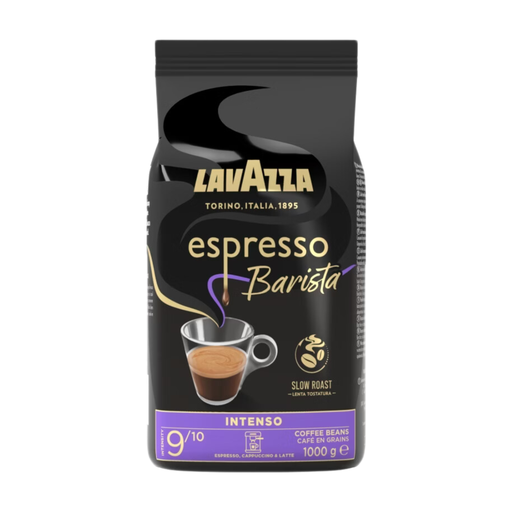 No image available
Before choosing this 1kg bag for a first shop, consider whether the quantity fits your routine. If bean composition or use with milk will decide the purchase, check those details on the current pack; grind the beans to suit your brewer.
You need a way to grind whole beans before brewing. Check that your grinder can produce a grind suitable for your equipment: illy, for example, distinguishes moka grind from the finer grind used for espresso.
Choose by the flavour description and drinks you make, not by bean species as a quality ranking. Illy describes its 100% Arabica CLASSICO as a smooth-tasting option, while Lavazza describes its Arabica–Robusta Crema e Aroma for milk recipes. Check the exact roast and pack guidance whichever route appeals.
Follow the instructions on the particular pack and close it as directed after use. When choosing a first bag, consider whether your household will use its contents within the pack’s stated after-opening guidance.
No. GOV.UK explains that a best-before date concerns when food may start to lose quality, rather than serving as a use-by safety deadline. Check the coffee pack’s storage and after-opening directions as well.
Read the current physical pack’s ingredients and allergen information before buying or using the beans. GOV.UK’s food-labelling guidance covers ingredient and allergen information, and Waitrose notes that product recipes can change; do not rely solely on an older online description.