Regular second-home coffee drinkers
If the property is used often or hosts several coffee drinkers, a 1kg bag may reduce restocking trips. Plan around how quickly an opened bag will be used and whether there is a grinder or bean-to-cup machine.


For a regularly used second home with a grinder, a 1kg whole-bean bag can mean fewer restocking trips; for occasional visits, 200g–500g packs limit how much coffee is left open between stays. Match the beans to the brewer, and check the product form and pack count before treating “box of 80” as a whole-bean specification.
If the property is used often or hosts several coffee drinkers, a 1kg bag may reduce restocking trips. Plan around how quickly an opened bag will be used and whether there is a grinder or bean-to-cup machine.
Long gaps between stays make the amount left in an opened bag important. Smaller packs, or several packs kept unopened until needed, allow stock to be rotated between visits.
Check which brewer guests will use before choosing beans. An espresso or moka option, beans recommended for cafetière or filter brewing, and a separate decaf pack may serve different requests without relying on one bag for every cup.
Start with how quickly an opened bag will be used, then check the brewer and what each listing means by its pack size.
| Priority | What to check | Your needs |
|---|---|---|
| Pack size | Compare the weight of each bag, the number of bags and how often one will be opened. Follow the storage instructions on the exact product. | I visit often enough to use a larger opened bag, or I would rather open a smaller one for each short stay. |
| Brewer fit | Check for a separate or built-in grinder. Look for a product recommendation for the property’s espresso machine, moka pot, cafetière or filter brewer, and use a suitable grind setting. | There is no use stocking whole beans unless I can grind them for the coffee maker already at the property. |
| Coffee profile | Compare the stated roast, bean blend and tasting notes on the exact pack. Treat a producer’s intensity scale as a description of its range, not a caffeine measure. | Whether I prefer a lighter roast or a more pronounced espresso-style blend matters more than the bag size alone. |
| Decaf choice | Check that a separate decaf product comes as whole beans and suits the brewer. Choose its pack size according to likely use. | Some guests may ask for decaf, but I do not want to open a large extra bag for an occasional cup. |
| Box contents | Read the product form, net weight per pack and total pack count. A case of six 1kg bean bags is not an 80-unit box. | If a search result says “box of 80”, I need to know whether it contains whole beans rather than a different coffee format. |
Post-opening instructions vary by product. The Waitrose listing for Taylors of Harrogate Rich Italian Beans says to use its opened 200g pack within two weeks when stored cool and dry; M&S gives different instructions for its Colombian beans.
Choose a bag size that fits likely occupancy, keep reserve packs unopened and follow the instructions on the pack you buy.
Whole beans need a separate grinder or a machine with one built in. Lavazza UK specifies Espresso Italiano Classico for espresso and moka, while Union Coffee recommends House Roast for cafetière and filter brewing.
Check the equipment at the property, then choose beans with a stated recommendation for the main brewer and grind them appropriately.
Lavazza UK describes Espresso Italiano Classico as 100% Arabica with an intensity of 5/10, and Espresso Barista Intenso as an Arabica–Robusta blend with an intensity of 9/10. Those product descriptions do not turn the numbers into a universal caffeine scale.
Compare blend composition, roast and tasting notes as well as intensity. If decaf is required, choose a separately labelled decaf product.
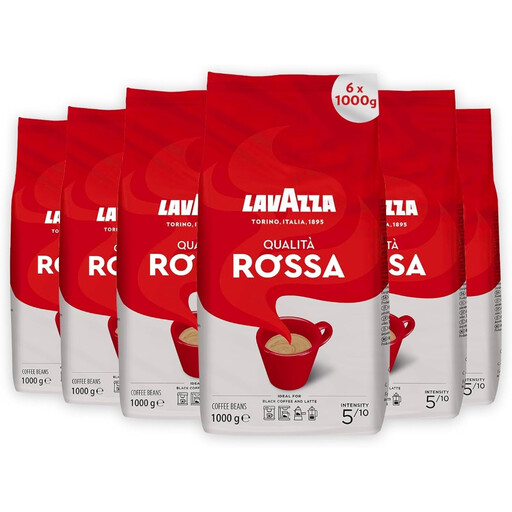
The named bean listings describe packs by weight, while the Joybuy Lavazza Qualità Rossa case contains six 1kg bags. The phrase “box of 80” alone does not identify the coffee form or bag size.
Confirm that the listing says whole beans and specifies both the quantity per pack and the number of packs before ordering.
These examples show how pack size and brewing recommendations differ; a brand reference here does not imply that every product in its range has the same characteristics.
Lavazza UK lists distinct 1kg whole-bean options for espresso and moka brewing.
illy UK lists Classico whole beans in 250g and 500g packs, as well as Intenso and a bundle containing Classico, Intenso and Decaf.
Waitrose lists Taylors of Harrogate Rich Italian Beans as a 200g medium-roast product.
Union Coffee offers House Roast in 200g and 1kg sizes with a whole-bean choice.
M&S lists whole-bean products in 227g and 454g formats, including espresso and Italian-style blends.
The Waitrose whole-bean range includes listings such as Taylors Rich Italian Beans 200g and Waitrose No.1 Colombia Reserve 750g.
These options include a 200g pack, individual 1kg bags and a case of six 1kg bags. Choose according to how often the second home is used and whether its coffee maker can grind whole beans.
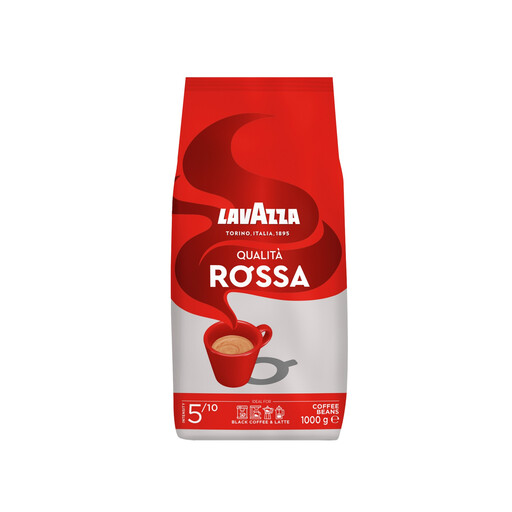 No image available
A 1000g bag to consider when the property is used regularly and an opened bag can be used between restocking trips. Check the pack’s storage instructions and make sure there is a grinder or a machine with one built in.
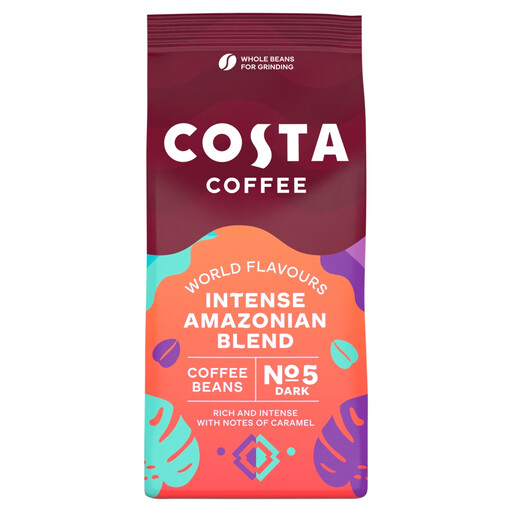 No image available
The 200g pack leaves less coffee open at one time than a 1kg bag, which may suit occasional stays. Check the roasting date and the pack’s storage guidance, and confirm that the property has a way to grind whole beans.
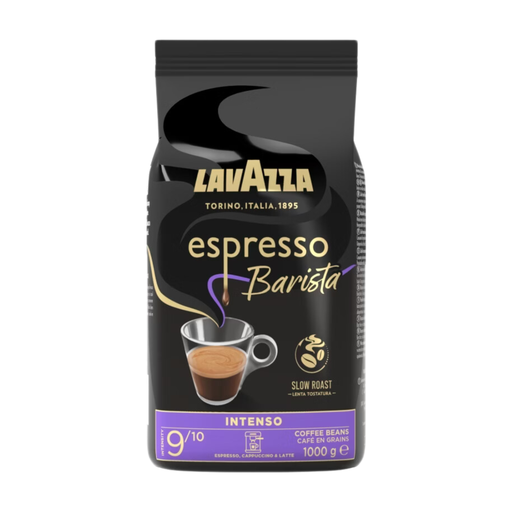 No image available
A 1kg whole-bean option for a frequently used property. Check that the available grinder or bean-to-cup machine suits the brewing setup, and plan how the opened bag will be used between visits.
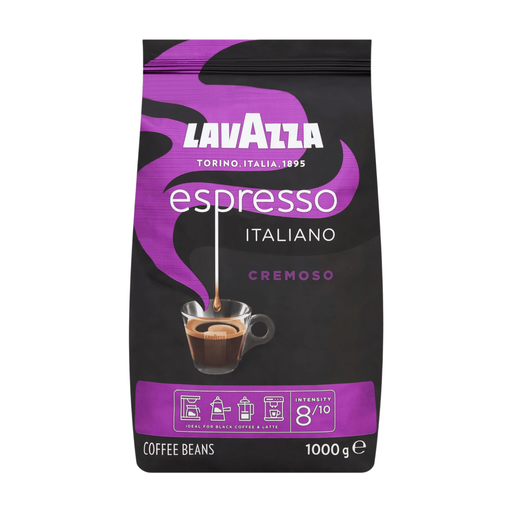 No image available
Consider this 1kg whole-bean bag where coffee will be made regularly. Confirm the brewing guidance on the exact pack and keep its post-opening instructions in mind if the property is empty between stays.
 No image available
Six separate 1kg whole-bean bags allow reserve bags to stay unopened until needed, provided use at the property justifies the case. Joybuy describes this Qualità Rossa case as a medium-roast Arabica–Robusta blend; it is six bags, not a box of 80.
No. A 1kg bag makes more sense when coffee is used regularly; for occasional stays, smaller bags or separate unopened packs limit how much is left open. Follow the storage instructions for the exact product: the Waitrose listing for Taylors Rich Italian Beans specifies use within two weeks of opening when stored cool and dry, while M&S gives different instructions for its Colombian beans.
Whole beans need a separate grinder or a machine with one built in. After checking the equipment, use product-specific brewing guidance: Lavazza UK specifies Espresso Italiano Classico for espresso and moka, while Union Coffee recommends House Roast for cafetière and filter brewing.
One blend may suit both preparations if its flavour suits the people drinking it, but the product descriptions offer different starting points. Lavazza UK describes Espresso Barista Intenso as a fuller-bodied Arabica–Robusta blend with cocoa and woody notes, and Espresso Italiano Classico as a light-roast, 100% Arabica option.
No. Check the product form, net weight and pack count rather than relying on that phrase. The Joybuy Lavazza Qualità Rossa case contains six 1kg whole-bean bags, while illy UK lists a separate six-pack bean bundle; neither description denotes an 80-unit whole-bean box.