Who is buying the beans?
The useful starting point is how you will make the coffee, how many servings you expect and what alternatives guests might want.
Hosts making repeated servings
If you have a bean-to-cup machine or grinder, consider how much coffee you will make during the gathering and whether you can use the rest of an opened bag afterwards. Match the beans’ stated preparation methods to your brewer.
Espresso or moka hosts
If most drinks will come from an espresso machine or moka pot, look for beans with guidance for that method. A familiar roast name alone does not tell you how to prepare the beans.
Hosts offering a caffeine choice
Some guests may prefer to avoid standard caffeinated coffee. Plan a decaf or non-caffeinated drink as well as checking that your equipment can prepare the beans you buy.
What should you check before choosing?
Confirm the equipment first, then choose a pack size you can use and store. Brewing guidance matters more than choosing by a roast name alone.
| Priority |
What to check |
Your needs |
| Brewer and grinder |
Check that you can grind whole beans and that the pack names your brewing method. Waitrose & Partners advises a medium grind for filter coffee and a coarse grind for cafetiere with its Espresso Beans. |
I’ll be using a particular brewer, so I need beans I can grind and prepare for that method. |
| Pack size |
Estimate the servings you will make and consider what you can use after the event. Lavazza lists Espresso Italiano Classico in 1 kg; illy lists Classico in 500 g. |
For repeated rounds, I may use a larger bag. For a smaller gathering, I would rather open a quantity I can finish. |
| Choice of brewing methods |
Read the methods named for the specific beans. illy describes its 500 g Classico as suitable for moka, filter, espresso and lungo; Lavazza names espresso and moka for Espresso Italiano Classico. |
If I’m serving coffee from more than one type of brewer, I want guidance that covers each one. |
| Flavour and roast |
Compare the pack’s roast information and the maker’s flavour description, then consider the drinks your guests usually choose. Treat tasting notes as descriptions, not a promise of everyone’s preference. |
I want a coffee the group is likely to enjoy, without assuming that a roast name tells me what everyone will like. |
| Opened-pack storage |
Read the instructions for the exact product before transferring beans to a jar. Marks & Spencer specifies an airtight container for its Italian Style Coffee Beans, with separate refrigerator and freezer time limits. |
I need a practical way to keep any beans left after the coffee morning, following the instructions on their pack. |
| Caffeine choice |
Check whether a decaf coffee or non-caffeinated drink will be available. Do not assume that a roast style establishes its caffeine content. |
Guests should be able to choose something other than standard caffeinated coffee. |
Brand and product-line references
These examples show how named bean products differ in pack size, brewing guidance or storage instructions; they are not a ranking of the brands.
Lavazza
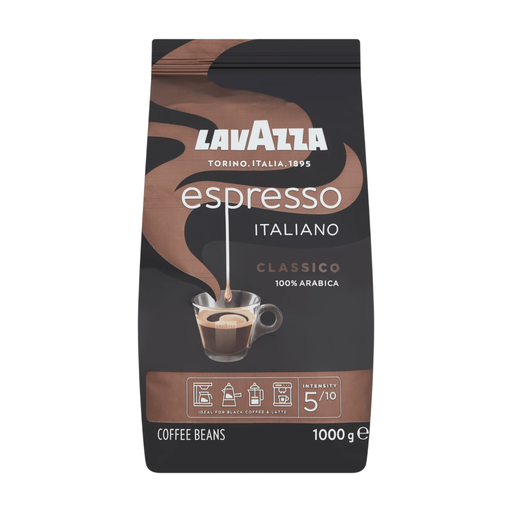
Lavazza describes its 1 kg Espresso Italiano Classico whole beans as a light-roast, 100% Arabica option for espresso and moka preparation.
- Named espresso and moka guidance helps hosts using those brewers.
- That guidance alone does not establish preparation directions for filter or cafetiere coffee.
illy
illy lists its Classico whole beans in a 500 g pack and describes preparation for moka, filter, espresso and lungo.
- The named methods give hosts with different brewers a product-specific starting point.
- Check how many packs your planned servings would require.
Taylors of Harrogate
Waitrose & Partners lists Taylors of Harrogate Rich Italian whole beans in 200 g and 700 g packs.
- The two listed sizes give hosts different quantities to consider.
- Check the chosen pack for brewing and storage directions rather than assuming they are the same across the range.
Union
Union offers House Roast whole beans in 200 g and 1 kg sizes and recommends the product for cafetiere and filter brewing.
- The stated brewing methods are useful for a cafetiere- or filter-led gathering.
- Check guidance for another brewer rather than treating those recommendations as all-method instructions.
M&S
Marks & Spencer lists Italian Style Coffee Beans in a 454 g pack and gives instructions for storing that product after opening.
- Its product-specific directions address how to store any beans left after the event.
- Follow the instructions for the exact M&S product you buy; do not apply one pack’s directions across the range.
Waitrose
Waitrose & Partners lists its 100% Arabica Espresso Beans in a 1 kg pack and advises different grinds for filter and cafetiere preparation.
- The pack size and named grind guidance help with planning repeated servings.
- Check the remaining preparation and storage instructions against your equipment and plans.
Joybuy whole-bean options
These whole-bean packs offer sizes to consider for a coffee morning. Check each product’s current preparation and storage directions against your brewer and the servings you expect to make.
 No image available
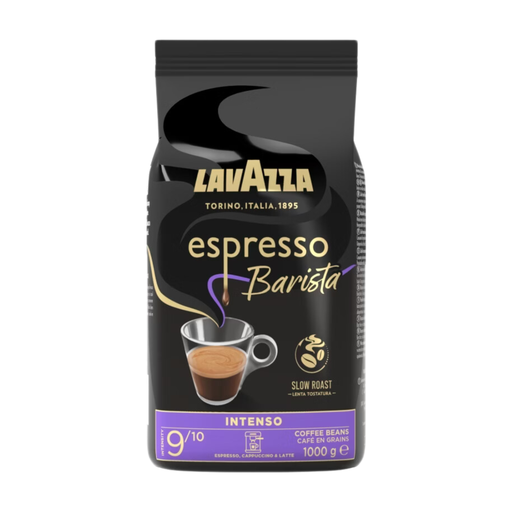
Lavazza Barista Intenso Beans 1 kg
The 1 kg pack is worth considering for repeated servings if you have suitable grinding equipment and a plan to use the remaining beans. Check its brewing methods and storage directions for your setup.
View on Joybuy
 No image available
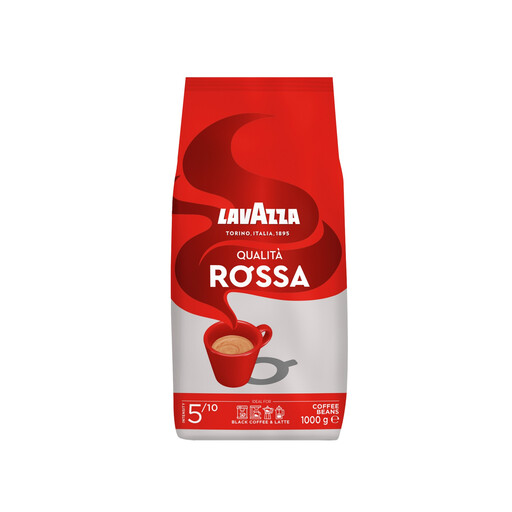
Lavazza Qualita Rossa Coffee Beans 1000 g
This 1000 g whole-bean pack gives you a larger quantity to plan around for a coffee morning. Confirm the preparation guidance for your brewer and how you will store beans left after the event.
View on Joybuy
 No image available
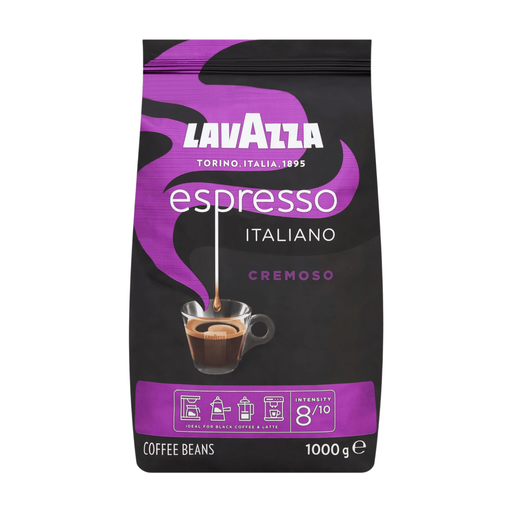
Espresso Italiano Cremoso Beans 1 kg
Consider this 1 kg whole-bean pack if you expect to make repeated servings. Check the product directions for your brewing method, and plan how to store and use the remainder.
View on Joybuy
 No image available
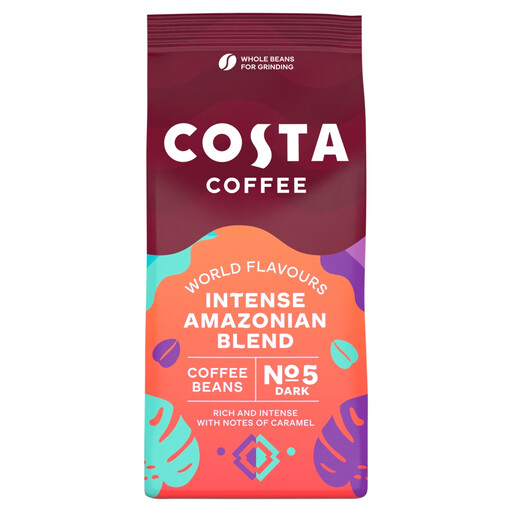
Costa Intensely Dark Amazonian Blend Coffee Beans 200 g
The 200 g pack may fit a smaller gathering or a second coffee choice. Check the roast description, brewing guidance and any date or storage instructions on the pack before serving.
View on Joybuy
 No image available
Lavazza Cafe Espresso Coffee Beans 1 kg
This 1 kg whole-bean pack is an option when you need enough for repeated rounds of coffee. Match its preparation directions to your brewer and check how to store any beans left over.
View on Joybuy
Coffee morning questions
Do I need a grinder for whole coffee beans?
Yes, unless your bean-to-cup machine grinds the beans for you. Check your brewer before buying whole beans, then use a grind suited to that method; Waitrose & Partners advises medium for filter and coarse for cafetiere with its Espresso Beans.
How many beans should I allow per cup?
Use the recipe for your brewer and the drink you plan to serve rather than one allowance for every cup. Estimate the number of servings from that recipe before choosing a bag size, including any beans you expect to use after the event.
Should I keep opened coffee beans in a jar?
A jar should follow, not replace, the storage directions for the particular beans. For its Italian Style Coffee Beans, Marks & Spencer specifies an airtight container and says to store the opened product for two weeks in the refrigerator or four weeks in the freezer; other packs may give different directions.
Should I offer decaf at a coffee morning?
Offering decaf or a non-caffeinated drink gives guests a choice beyond standard coffee. If you choose decaf whole beans, check that you can prepare them with your equipment and keep the alternatives clear when serving.


