Hosts with a grinder or bean-to-cup machine
Choose beans for the equipment you will use, then work out the quantity from its brewing dose and the number of drinks planned.


For brunch with friends, choose whole beans if you have a grinder or a compatible bean-to-cup machine, then size the purchase around the drinks you plan to make. A 1 kg bag may suit repeated brewing, while smaller packs let you offer different coffees or decaf without opening as much at once. Do not treat a search for a “box of 80” as a pack specification: check whether 80 means drinks, portions or individual bags.
Choose beans for the equipment you will use, then work out the quantity from its brewing dose and the number of drinks planned.
A separate decaf pack or a second flavour option can give guests a choice without relying on one large bag to suit everyone.
Check whether the quantity you need is expressed as pack weight, individual bags or finished drinks. Those units are not interchangeable.
Start with your brewer and planned number of drinks; pack size and flavour are easier to judge once those are clear.
Consider it when: You expect to brew repeatedly and can use or store the remaining beans after brunch.
Trade-off: Opening one large bag leaves more coffee to store if guests drink less than planned.
Consider them when: You want separate regular and decaf beans, or more than one flavour choice.
Trade-off: Switching beans may mean changing hoppers or grinding them in separate sessions.
| Priority | What to check | Your needs |
|---|---|---|
| Brewing equipment | Confirm that you can grind whole beans. Match the grind setting to espresso, filter or cafetière brewing, and check any product-specific brewing guidance. | I need beans I can prepare with the grinder and brewer I will use for brunch. |
| Pack quantity | Compare pack weight with the dose for each planned drink. Waitrose & Partners gives 15 g per 250 ml filter or cafetière cup and lists 66 servings for its 1 kg Espresso Beans; its double-espresso guidance is 16–17 g for 50 ml. | If I am buying for several guests, I want enough for the drinks planned without assuming that a 1 kg bag means 80 servings or 80 individual bags. |
| Roast and flavour | Read the stated roast and flavour notes, then consider whether to serve one blend or two different coffees. Treat tasting notes as product descriptions, not a promise that every guest will perceive them alike. | Some guests may prefer a chocolate-led blend, while others might welcome a different flavour direction. |
| Decaf choice | Check for a separate decaffeinated whole-bean pack and plan how to grind it without mixing it with regular beans. | I would like guests who choose decaf to have a distinct coffee option. |
| After opening | Check the pack’s storage instructions and how soon you expect to use the remainder. Waitrose & Partners advises airtight storage and use within two weeks of opening for the taste of its 1 kg Espresso Beans. | If coffee will be left after brunch, I need a practical way to store the opened pack. |
An individual bag, a portion and a finished cup are different units. Pack weight alone does not establish how many drinks a particular brewing method will make.
Decide what 80 refers to before ordering, then compare the stated pack weight with the dose for your intended drinks.
Whole beans need grinding before brewing, and espresso, filter coffee and cafetière coffee call for different grind settings.
Check your grinder or bean-to-cup machine before buying and choose a setting for the brewer you will actually use.
Offering regular and decaf beans may also involve changing or cleaning a grinder between batches.
A large pack can leave opened beans after guests have gone. Waitrose & Partners advises using its 1 kg Espresso Beans within two weeks of opening for the taste it describes.
Compare the likely number of drinks with the pack size and follow the chosen product’s storage instructions for any remainder.
A product page may not reflect the wording on the pack you serve from, which matters when a guest has an allergy or intolerance.
Check the current pack’s ingredients and allergen information before serving.
These brand and retailer ranges offer different pack sizes and coffee styles; they are references for choosing, not a list of products available in the Joybuy selection below.
Lavazza UK lists several 1 kg whole-bean coffees, including Qualità Oro and Qualità Rossa.
illy’s UK whole-bean range includes Classico and Intenso in 250 g and 500 g formats, alongside decaffeinated beans.
Waitrose & Partners lists Taylors Rich Italian whole beans in a 200 g pack.
Union lists its House Roast whole beans in 200 g and 1 kg sizes and recommends the blend for cafetière and filter brewing.
M&S lists whole-bean espresso and Italian-style products in 227 g and 454 g formats.
Waitrose & Partners lists own-label whole beans, including a 1 kg Espresso Beans product with filter, cafetière and espresso dosing guidance.
These Joybuy options comprise larger regular-bean packs and a smaller decaf pack for a separate guest choice. Compare their pack weights with your planned brewing doses; none should be treated as an “80-bag” format on the basis of its name.
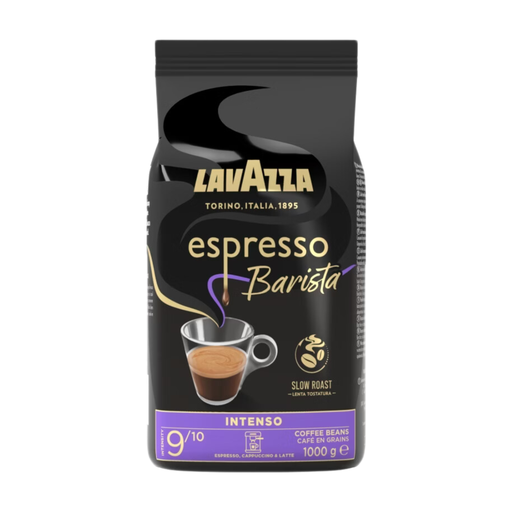 No image available
A 1 kg bean pack to consider when you expect to brew repeatedly for guests. Plan the number of drinks using your chosen dose, and make sure you can grind the beans for your brewer.
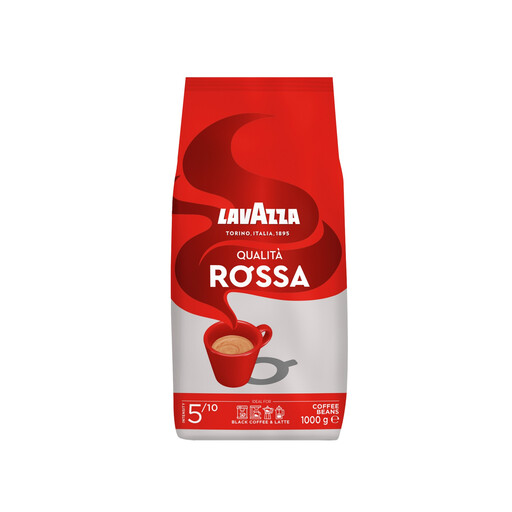 No image available
This 1000 g pack is another option for planning several rounds of coffee by weight. Check the brewing dose you intend to use rather than assuming the pack makes a fixed number of cups.
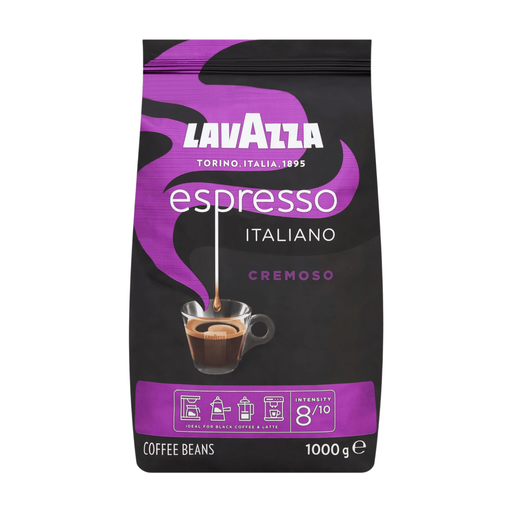 No image available
Consider this 1 kg bean pack for a brunch where you can grind coffee as drinks are made. Confirm that its brewing guidance fits your equipment and calculate the quantity from your intended dose.
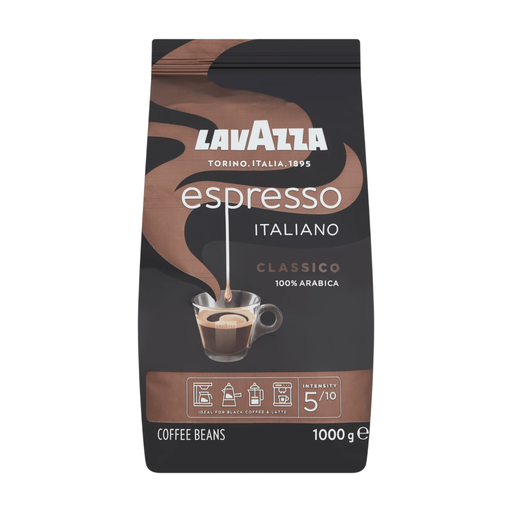 No image available
The 1 kg pack gives you a stated weight for planning a larger coffee service. Check the product’s brewing recommendations against your machine and use your chosen dose to estimate drinks.
 No image available
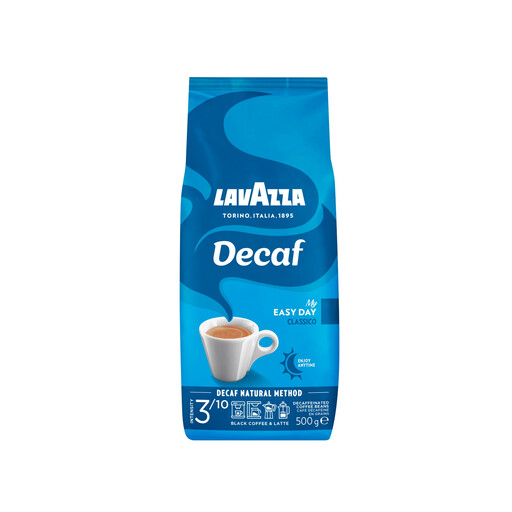
This 500 g decaffeinated bean pack can provide a separate choice for guests who prefer decaf; it does not supply regular coffee as well. Check it against your brewing setup and plan a separate grinding session if you want to avoid mixing beans.
Work from the number and size of drinks you plan to make and the dose for your brewer. Waitrose & Partners lists 66 servings for its 1 kg Espresso Beans at its stated 15 g per 250 ml filter or cafetière cup; it gives a different dose, 16–17 g, for a 50 ml double espresso. Neither figure makes every 1 kg bag an 80-serving pack.
They can be prepared for different brewers if you can grind them to the appropriate setting, but check the particular coffee’s brewing guidance. Espresso calls for a finer grind than cafetière coffee; Union, for example, recommends its House Roast for cafetière and filter brewing.
Follow the instructions on the pack you bought. Waitrose & Partners advises reclosing its 1 kg Espresso Beans, storing them in an airtight container and using them within two weeks of opening for the taste it describes; the Taylors Rich Italian listing advises sealing its beans and storing them somewhere cool and dry.
A separate pack gives guests a decaf choice if you expect differing caffeine preferences. Whole-bean decaf options appear in illy’s UK range and Joybuy’s coffee-bean category; plan a separate hopper or grinding session if keeping the two coffees distinct matters.
Check the ingredients and allergen information on the current pack before serving, rather than relying on an older online description. Ask the guest about their requirements so you can check the specific product you intend to use.