Hosts using more than one brewer
If brunch involves espresso as well as filter coffee or a cafetiere, choose beans whose stated preparations cover your equipment. You will also need to change the grind for each method.


For a brunch with mixed tastes, start with whole beans listed for the brewing methods you will use, then consider a smoother medium-profile blend if guests may drink their coffee black. If most orders will be cappuccinos or lattes, an espresso-oriented blend may suit the menu better; match the pack size to what you expect to use and offer decaf for guests avoiding caffeine.
If brunch involves espresso as well as filter coffee or a cafetiere, choose beans whose stated preparations cover your equipment. You will also need to change the grind for each method.
If friends are likely to ask for cappuccinos or lattes, look at espresso blends described for serving with milk. Keep black-coffee preferences in mind before choosing a strongly flavoured blend for everyone.
Compare the stated roast and flavour notes rather than relying on the word “Italian” or “espresso”. A smaller pack lets you try an unfamiliar blend without committing to a large opened bag.
Settle the brewing methods and black-versus-milk menu first; those choices make the roast, flavour notes and pack size easier to assess.
| Priority | What to check | Your needs |
|---|---|---|
| Roast and flavour | Read the exact blend’s roast description and flavour notes. Treat chocolate, caramel, nut or floral notes as descriptions, not a promise that every guest will taste them. | I do not know whether everyone prefers dark espresso or a gentler black cup, so I want a profile they can assess before I buy a large bag. |
| Brewing method | Check the listed preparations against your espresso machine, moka pot, filter brewer or cafetiere. Match the grind to the method; Waitrose, for example, specifies a medium grind for filter and a coarse grind for cafetiere for its 100% Arabica Espresso Beans. | Brunch may involve more than one brewer, and I need beans with stated uses that cover the drinks I plan to make. |
| Black or with milk | Look for an explicit serving suggestion rather than assuming every espresso blend suits both menus. Waitrose describes its No.1 Italian Espresso blend for black coffee or hot or cold milk; illy lists CLASSICO for several brewing methods. | Some friends will want black coffee, while others may ask for lattes. I need to decide whether one bag covers the menu or separate beans make more sense. |
| Pack size and storage | Compare the pack size with expected use and follow its opened-pack instructions. Waitrose advises using its Italian Espresso beans within two weeks of opening. | For a one-off gathering, I would rather choose an amount I expect to use than leave most of a large bag open afterwards. |
| Caffeine choices | Consider a separate decaf option if guests may avoid caffeine. Bean type and roast name alone do not tell you the caffeine in a prepared serving. | I want guests to be able to choose a drink that fits their own caffeine preferences. |
“Italian”, “rich” and “espresso” do not establish that the exact beans are listed for your filter brewer or cafetiere.
Check the product’s stated preparations. If you plan both espresso and filter service, choose beans listed for both or consider separate bags.
Grind and extraction affect the cup, so changing beans without adjusting the grinder can make it difficult to judge the blend.
Use a grind appropriate to each method and adjust it when opening unfamiliar beans. Waitrose specifies a medium grind for filter and a coarse grind for cafetiere for its 100% Arabica Espresso Beans.
Roasted coffee loses aroma over time, as the Specialty Coffee Association explains. A large pack leaves more to store if brunch guests drink less than expected.
Choose a pack size you expect to use and follow its storage instructions after opening.
An oversized opened bag can leave coffee unused while its aroma fades.
Guests may choose to limit caffeine. NHS guidance for pregnancy sets a daily limit of 200mg and notes that caffeine content varies between coffee drinks.
Offer decaf as a separate choice rather than judging caffeine content from the bean type or roast description.
These named blends illustrate different preparation and flavour descriptions; a brand’s wider range may differ from the product discussed here.
Lavazza lists Espresso Italiano Classico as light-roast, 100% Arabica whole beans with an intensity rating of 5/10.
illy lists its CLASSICO 100% Arabica whole beans for moka, filter, espresso and lungo coffee.
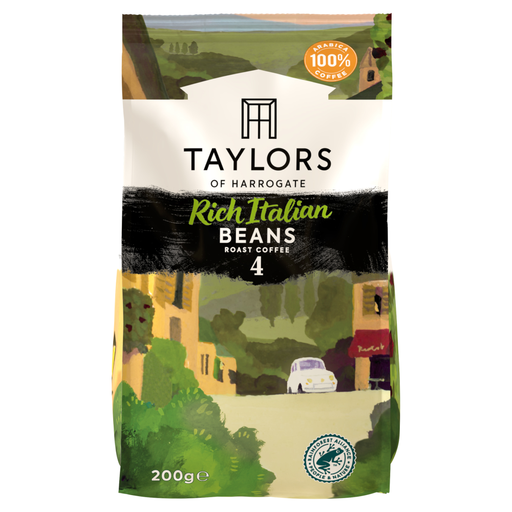
Taylors describes Rich Italian as a rich, smooth blend with chocolate, nut and subtle citrus notes.
Union describes House Roast Original Blend as a medium roast with chocolate and caramel notes.
M&S describes a house blend with candied-nut and dried-fruit notes and a separate dark, full-bodied Espresso Blend.
Waitrose lists a 50% Arabica and 50% Robusta No.1 Italian Espresso blend alongside separate 100% Arabica Espresso Beans.
These whole-bean options include larger bags for hosts expecting to use more coffee and a smaller Taylors pack for trying a blend. Check each product against your brewer and planned drinks.
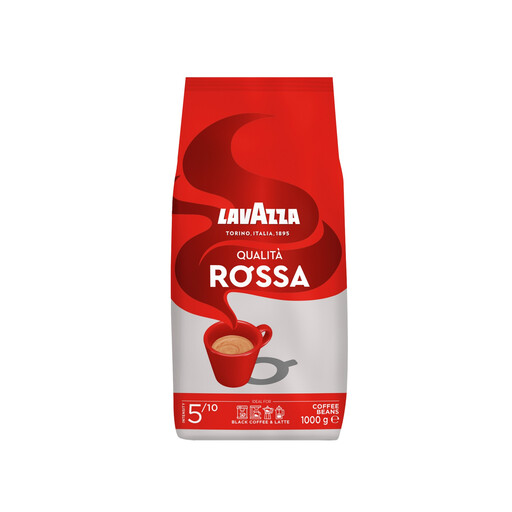 No image available
This 1000g bag is worth considering if you expect to use a larger quantity beyond one brunch. Check the pack’s preparation and storage directions against your plans before opening it.
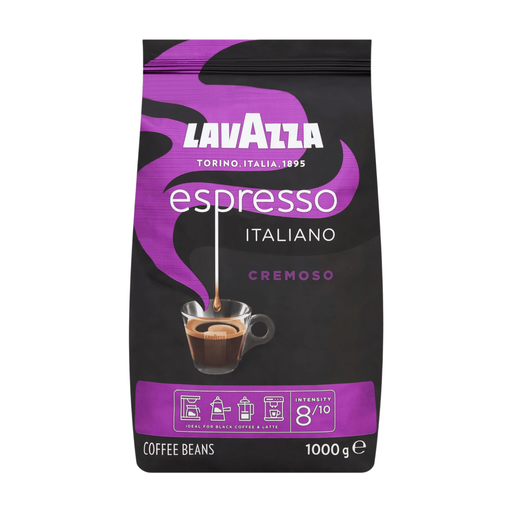 No image available
If espresso is part of the brunch menu, compare this 1kg option with the number of drinks you expect to make. Confirm the brewing and grind directions for any other method you intend to use.
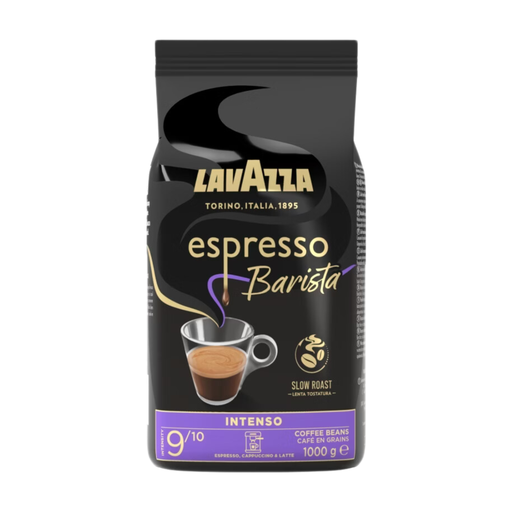 No image available
This is another 1kg option for a host planning to use beans after brunch. Check the exact pack’s preparation advice and flavour description if you will serve both black coffee and milk drinks.
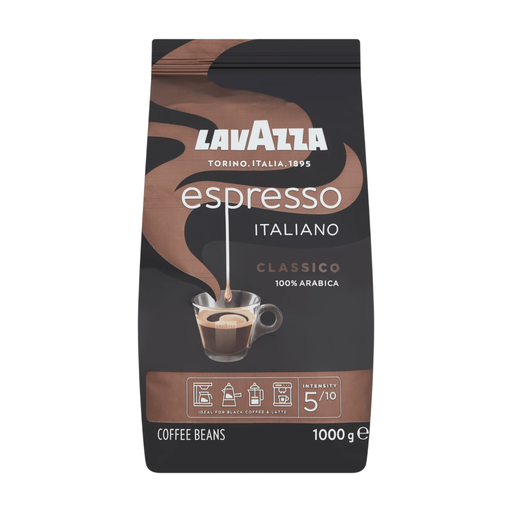 No image available
Consider the 1kg pack size alongside how often you make coffee at home. If brunch calls for filter coffee or a cafetiere as well as espresso, check the exact product’s brewing directions.
 No image available
The 200g pack offers a smaller quantity for trying Rich Italian. Taylors describes this named blend with chocolate and nut notes; check the pack’s brewing directions for your equipment.
Choose whole beans explicitly listed for the methods you plan to use, then change the grind for each brewer. illy lists CLASSICO for espresso and filter, among other preparations; Waitrose gives espresso, filter and cafetiere grind directions for its 100% Arabica Espresso Beans.
Not necessarily: decide how many guests are likely to drink it black and how many will add milk. A dark espresso blend is one option for a milk-focused menu, while a smoother profile may be a more comfortable starting point when black-coffee preferences are unknown. Check the exact blend’s flavour notes and stated preparations as well as its roast.
Follow the instructions on the pack you opened. Waitrose advises using its Italian Espresso beans within two weeks of opening and gives a two-week best-taste window for its 100% Arabica Espresso Beans; the directions for other blends may differ.
Offer a separate decaf choice and let the guest decide what suits them. NHS guidance says pregnant people should have no more than 200mg of caffeine a day; do not infer the amount in a prepared cup from its roast or bean name.