
24/7 Customer Support

Free returns

Same-day & Next-day Delivery

Quality Guaranteed

Unlock Your Welcome Offers: FREE Delivery | Up to 80% OFF | Free 30-day JoyPlus trial
Download the APP
Buying coffee beans online can look straightforward until you compare roast levels, origins, blends and brewing advice. A glossy label may promise an “intense” cup, but that does not necessarily mean it will suit your bean-to-cup machine or preferred milk drink.
For UK coffee drinkers, the most common buying mistakes are usually practical rather than technical. Choosing the wrong grind setting, purchasing more beans than you can use while fresh, or assuming dark roast means higher caffeine can all lead to disappointing results. This guide explains what to check before buying coffee beans and highlights suitable options for different home routines.
A dark roast coffee often tastes smokier and more bitter, but roast intensity does not directly indicate caffeine content. Caffeine levels depend more on the bean type, blend and serving size. If you want a stronger-tasting espresso, look for a darker roast or a blend containing Robusta. If you want more control over flavour, 100% Arabica coffee beans generally offer a gentler profile with more noticeable aroma and acidity.
A 1kg coffee beans pack can offer convenience for households that drink several cups daily, but it may not be practical for occasional drinkers. Once opened, beans gradually lose aroma through exposure to air, moisture and heat. Smaller 200g or 250g packs may reduce waste if you only brew at weekends.
Keep opened beans in an airtight container in a cool, dry cupboard. Avoid storing them beside a kettle, oven or other source of heat. Always check the best-before date and follow the storage directions on the packaging.
Whole bean coffee is flexible, but each brewing method has different requirements. Espresso machines generally need a fine grind and a bean that produces a balanced extraction. Coffee beans for bean-to-cup machines should work well at medium-fine settings and produce consistent crema without excessive oiliness.
For coffee beans for cafetières, a medium or dark roast can provide a fuller body, but the beans should be ground coarsely immediately before brewing. Using pre-ground coffee or an unsuitable grind can result in a muddy, weak or over-extracted cup.
Arabica coffee beans are often associated with softer acidity, floral aromas and sweeter flavour notes. Robusta tends to contribute more body, bitterness and crema, making it common in espresso blends. A blend of Arabica and Robusta may suit shoppers who want a traditional Italian espresso style with a fuller mouthfeel.
Check the ingredient description rather than relying only on front-of-pack wording. Products described as 100% Arabica should list Arabica coffee as the sole coffee ingredient. A blend should identify the presence of both bean types where stated.
A light roast usually retains brighter, fruitier characteristics and can work well with filter brewing. Medium roast coffee beans tend to offer a balanced combination of aroma, body and acidity, making them suitable for espresso, filter coffee and cafetières.
Dark roast coffee beans commonly provide smoky, roasted or chocolate-like notes. They can pair well with milk in cappuccinos and lattes, but may taste too bitter if brewed too hot or too slowly. Product descriptions that specify tasting notes, such as chocolate, caramel, citrus or dried fruit, are more useful than vague claims about “power”.
Choose pack size according to your weekly consumption:
Also check whether the product is decaffeinated. Decaf coffee beans still contain small amounts of caffeine, so read the packaging if you need to limit caffeine intake. People who are pregnant, breastfeeding or sensitive to caffeine should follow relevant UK health guidance and their healthcare professional’s advice.
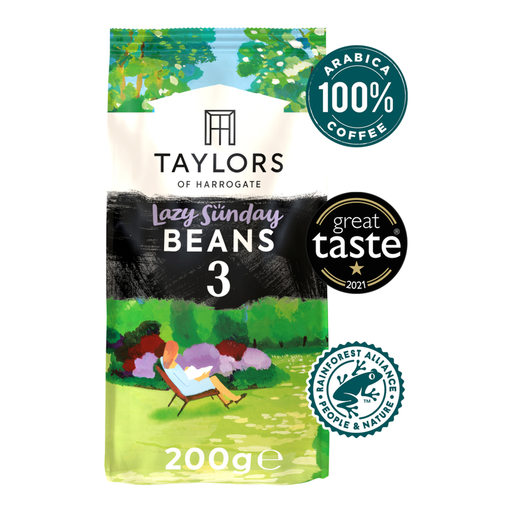
Why This Fits Their Persona: The 200g pack is a manageable starting point for UK shoppers who want to explore whole bean coffee without buying a large quantity. Its light roast profile is suited to relaxed weekend brewing.
The smaller pack helps avoid stale beans caused by buying more than your routine requires. The listed light roast and tasting notes provide clearer expectations than an undefined “smooth” label.
100% Arabica beans; mellow profile with milk chocolate and citrus notes.
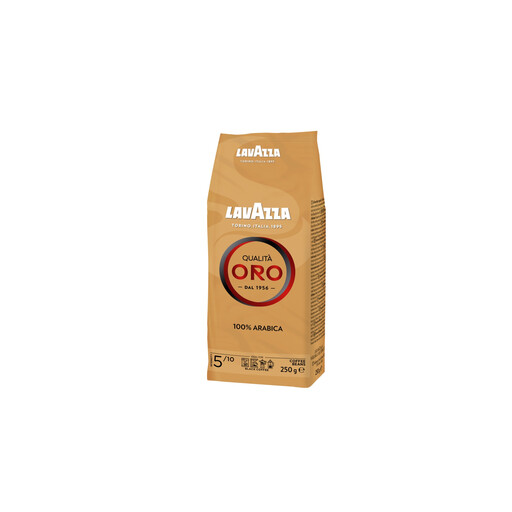
Why This Fits Their Persona: This compact option is aimed at drinkers who prioritise a 100% Arabica Italian coffee style and want a smaller pack for freshness and variety.
The ingredient information clearly identifies roasted Arabica beans, avoiding uncertainty about the blend. The 250g size reduces the risk of storing an opened kilogram for too long.
100% roasted Arabica beans; made in Italy according to the supplied product information.
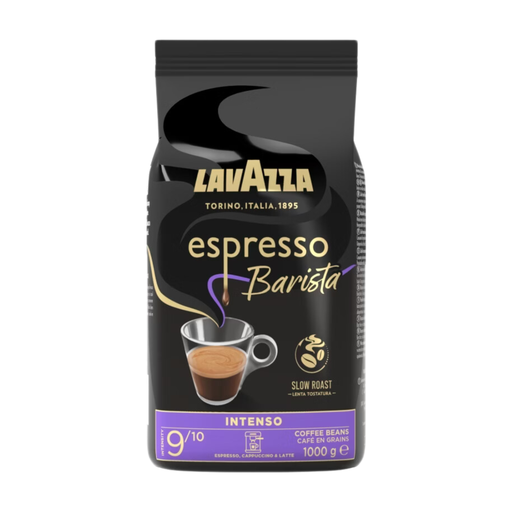
Why This Fits Their Persona: Frequent espresso drinkers and owners of fully automatic machines may prefer a larger supply with a medium roast and stated intensity level 7.
The product specifies compatibility with espresso and fully automatic machines, while also listing suggested use for filter, French press and moka pot brewing.
1kg pack; chocolate and dried fruit notes; designed for regular espresso-style use.
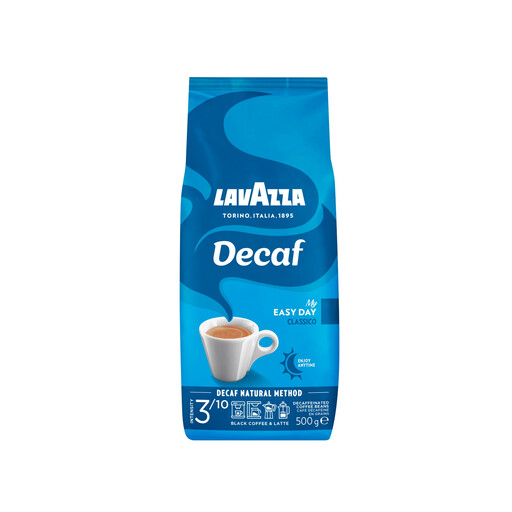
Why This Fits Their Persona: This is intended for coffee drinkers who want to retain the ritual of freshly ground coffee later in the day while choosing a decaffeinated option.
It is clearly identified as decaffeinated rather than relying on a vague “lighter” description. Buyers should still check the pack for any stated residual caffeine level.
500g pack; described with roasted caramel, chocolate and fruity notes.
We have compiled a complete, real-time list of products that fully satisfy these strict selection criteria and UK safety regulations.
For the most aromatic results, use opened beans according to the product’s storage guidance. Some Taylors products advise consuming them within two weeks, while other packaging may provide a different recommendation. Store beans in an airtight container away from light, moisture and heat.
Look for whole bean coffee described as suitable for fully automatic or bean-to-cup machines. Medium roast blends are often a practical starting point because they can provide a balanced cup with or without milk. Adjust the machine’s grind and strength settings gradually rather than changing several settings at once.
Dark roast beans usually taste more intense because roasting creates deeper smoky and bitter notes. They are not automatically higher in caffeine. Choose based on flavour, brewing method and whether you drink the coffee black or with milk. For a more balanced everyday cup, medium roast coffee beans may be easier to use across espresso, filter and cafetière brewing.