
24/7 Customer Support

Free returns

Same-day & Next-day Delivery

Quality Guaranteed

Unlock Your Welcome Offers: FREE Delivery | Up to 80% OFF | Free 30-day JoyPlus trial
Download the APP
Buying coffee beans for home should be simple, but packaging often makes comparison harder than it needs to be. A dark-looking bag may not indicate a genuinely dark roast, an attractive origin story does not guarantee a flavour you will enjoy and a large pack can lose freshness before you finish it.
For UK coffee drinkers, the right choice depends on your brewing equipment, preferred roast, caffeine requirements and how quickly you use a pack. This guide explains the practical details to check before buying, followed by our top recommendations for different home-brewing habits.
Roast descriptions such as “intense”, “rich” or “extra dark” are not universal technical measurements. They usually indicate flavour strength and roast character rather than a precise caffeine level. Dark roast coffee beans may taste smoky and bitter, while medium roast coffee beans can retain more noticeable acidity and fruit character.
If caffeine matters to you, check whether the product is explicitly labelled decaffeinated. Regular coffee beans contain naturally occurring caffeine and the amount in a brewed cup varies according to the dose, grind and preparation method.
Whole coffee beans require grinding immediately before brewing. They are not suitable for a pod machine unless you have a separate grinder and compatible brewing equipment. Coffee beans for espresso machines generally need a fine grind, while coffee beans for French press require a coarse grind.
A bean-to-cup machine normally grinds automatically, but its grinder settings still affect extraction. Buying beans without considering the machine can lead to weak, bitter or uneven cups.
A 1kg bag may offer practical value for households that brew several cups every day, but it can be inconvenient for occasional drinkers. Once opened, coffee gradually loses aroma through exposure to air, moisture, light and heat.
For one or two cups a day, a 200g or 250g pack can be easier to use while the beans are still aromatic. If choosing a larger pack, divide it into airtight portions rather than repeatedly opening the same bag.
Use roast level as a starting point, not a guarantee of taste.
The bean type also matters. Arabica coffee beans are often associated with a more aromatic, varied flavour profile, while blends containing Robusta can provide additional body and a stronger crema in espresso. Italian coffee beans frequently use Arabica and Robusta blends for a traditional, full-bodied espresso style, although the exact recipe differs between products.
Choose beans that match your preparation method:
Do not put pre-ground coffee into a bean hopper and check your machine’s manual before using very oily dark roast coffee beans.
Compare price per 100g rather than the total pack price. A 200g pack suits occasional brewing, while 500g or 1kg packs may make more sense for regular coffee machine owners.
After opening, keep beans in a cool, dry place in an airtight container. Avoid storing them beside a kettle, oven or strong-smelling food. Follow the product’s own storage guidance; several products below recommend using opened packs within approximately two weeks for optimum freshness.
For decaf coffee beans, check the description and ingredients carefully. Decaffeinated does not necessarily mean completely caffeine-free, so people who are highly sensitive to caffeine should review the pack information and seek appropriate advice where necessary.
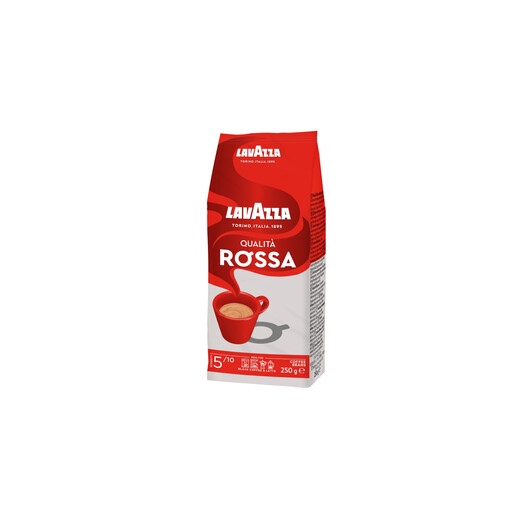
Why This Fits Their Persona: The 250g pack is a manageable starting size for UK households exploring whole-bean coffee without committing to a large bag. Its medium intensity 5 profile is designed for espresso, moka pot, filter and French press brewing.
The clearly stated pack size and Arabica-Robusta blend make it easier to compare value and expected body instead of relying only on promotional language.
Medium roast; notes of chocolate and dried fruit; suitable with or without milk.
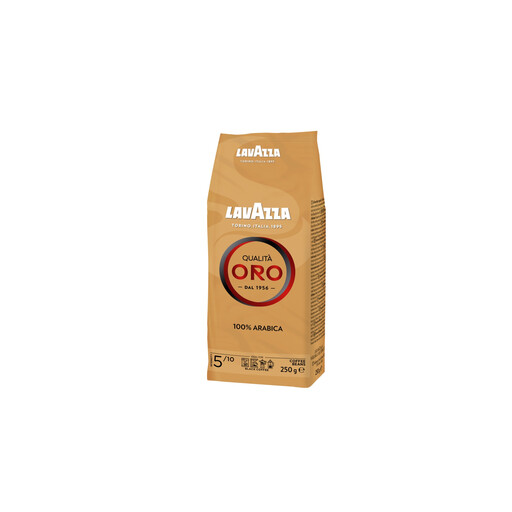
Why This Fits Their Persona: This compact option uses 100% roasted Arabica coffee beans and is made in Italy, making it suitable for shoppers prioritising Arabica composition and Italian coffee heritage.
The ingredient statement identifies the bean type, while the 250g quantity limits the risk of storing an opened pack for too long.
100% Arabica; made in Italy; convenient everyday pack size.
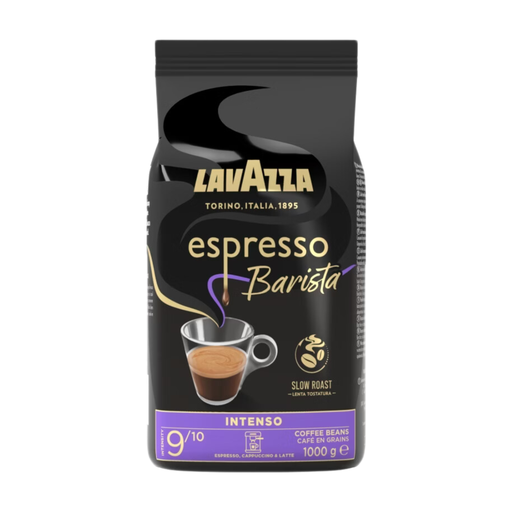
Why This Fits Their Persona: A 1kg pack is suited to frequent espresso or bean-to-cup use, particularly where several household members drink coffee each day. The listed intensity is 7, with chocolate and dried-fruit notes.
The stated 1kg quantity and brewing guidance help heavy users assess whether they can consume the beans promptly and use them safely in a suitable machine.
1kg pack; intensity 7; designed for espresso and fully automatic machines.
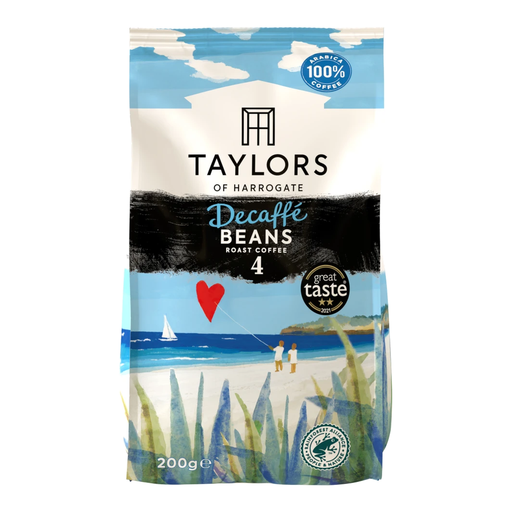
Why This Fits Their Persona: This 200g pack is a practical option for those seeking a decaffeinated bean for later-day brewing. It uses 100% decaffeinated Arabica coffee and lists caramel and malt notes.
The decaffeinated ingredient statement and smaller pack size make the intended use clear and reduce the likelihood of buying more beans than needed.
100% decaffeinated Arabica; 200g pack; water-method decaffeination described in the product information.
We have compiled a complete, real-time list of products that fully satisfy these strict selection criteria and UK safety regulations.
Look for espresso coffee beans with a roast profile you enjoy, then grind them finely immediately before brewing. Blends containing Robusta may produce a heavier body and more crema, while 100% Arabica options can offer more pronounced aroma and acidity. Always check your machine’s guidance, especially when using oily dark roasts.
Use the storage instructions on the pack. Many products recommend consuming opened beans within about two weeks for optimum freshness. Keep them airtight, dry and away from heat and light. Buying smaller packs can be more sensible than choosing a 1kg bag if you only brew occasionally.
No. Decaffeinated coffee beans have had most of their caffeine removed, but small residual amounts may remain. Check the product information if caffeine intake is a particular concern and choose a separate grinder or storage container if you do not want regular and decaf beans to mix.