Managers running a bean-to-cup service
A routine service in dining rooms and lounges needs beans that work with the available equipment, alongside a way to serve different choices consistently.


A medium-roast whole bean can be a starting point for a resident taste trial if the home has suitable grinding equipment. Keep a clearly identified decaf choice for residents who prefer it or whose individual plan calls for caffeine reduction, and trial a fuller espresso-style blend where that matches residents’ tastes and the drinks being served. No single blend replaces individual choice or an assessment of care needs.
In care-home dining, the choice needs to work for the people drinking the coffee and for the staff preparing it.
A routine service in dining rooms and lounges needs beans that work with the available equipment, alongside a way to serve different choices consistently.
Some residents may prefer decaf or have an individual plan that calls for caffeine reduction. NHS Tayside notes that caffeine can worsen some bladder and bowel symptoms; that does not mean every resident needs the same drink.
The Care Quality Commission says people should be involved in decisions about what they eat and drink. Asking residents about flavour and when they drink coffee is more useful than assuming one house blend will suit everyone.
Start with resident choice and any individual caffeine requirements, then check whether the beans and preparation routine fit the equipment.
| Priority | What to check | Your needs |
|---|---|---|
| Everyday flavour | Compare a milder medium-roast option with a fuller espresso-style option. Trial drinks prepared as they would be served, including with milk where relevant. | I want residents to have a say in the coffee served regularly, rather than rely on the flavour description on a pack. The Care Quality Commission calls for people to be involved in food and drink decisions. |
| Caffeine choice | Identify regular, half-caff and decaf products by their labels. Keep decaf clearly distinguishable when storing and serving it; do not treat half-caff as decaf. | Some residents prefer decaf, while others may have an individual plan for reducing caffeine. NHS Tayside notes that caffeine can worsen some bladder and bowel symptoms, so the choice needs to reflect the person concerned. |
| Brewing method | Confirm that the home can grind or use whole beans. Follow the bean and machine instructions for the chosen brewing method; Waitrose gives different preparation guidance for espresso and filter or cafetière coffee. | Our staff need to prepare the chosen coffee with the equipment available, whether drinks are served black or with milk. |
| Pack size | Compare pack quantities with how often each type of coffee is served. Check any storage or after-opening instructions on the exact pack. | A separate decaf choice needs a pack size that makes sense for how often residents request it. |
| Service controls | Check product specifications, supplier arrangements and staff procedures. The Food Standards Agency identifies supplier approval, specifications and training among food-hygiene prerequisites. | I need staff to recognise which beans they are using and prepare the drink the resident chose, including when regular and decaf are both available. |
Residents can differ in flavour preferences and individual caffeine requirements. A single coffee choice leaves little room to reflect those differences.
Ask residents about their preferences and provide a clearly identified decaf option alongside the regular offer. Consider half-caff as an additional choice, not a substitute for decaf.
An intensity score describes a brand’s coffee profile; it does not establish whether a drink meets an individual resident’s caffeine requirements.
Check whether the exact product is labelled regular, half-caff or decaffeinated, and follow the resident’s relevant care plan when choosing what to serve.
Whole beans need suitable grinding equipment. When regular and decaf beans are both in use, staff also need a clear way to identify the correct pack and preparation route.
Include the beans in the home’s food-safety procedures, label storage clearly and follow the machine manufacturer’s cleaning instructions. The Food Standards Agency identifies product specifications and staff training as food-hygiene prerequisites.
Separate bean choices also take staff time to store, prepare and clean up consistently.
Descriptions such as ‘mild’ or ‘full-bodied’ help narrow a shortlist, but they cannot establish what residents in a particular home will enjoy.
Offer a small taste trial to residents who want to take part, comparing a milder regular coffee, a fuller option and decaf where appropriate. Use their feedback alongside individual care requirements.
These product-line examples show different whole-bean choices; a brand name alone does not establish a resident’s preference or machine compatibility.
An example for homes considering espresso-style whole beans.
An example of a milder regular coffee to include in a taste trial.
A whole-bean name to consider when comparing grocery-supplied packs.
Useful for distinguishing a decaf choice from a half-caff choice.
An example for comparing Arabica beans and described flavour styles.
An example for comparing preparation guidance with espresso-style flavour descriptions.
These packs offer different quantities and include explicitly labelled decaf choices. Compare them against residents’ preferences, the home’s equipment and how often each coffee will be served.
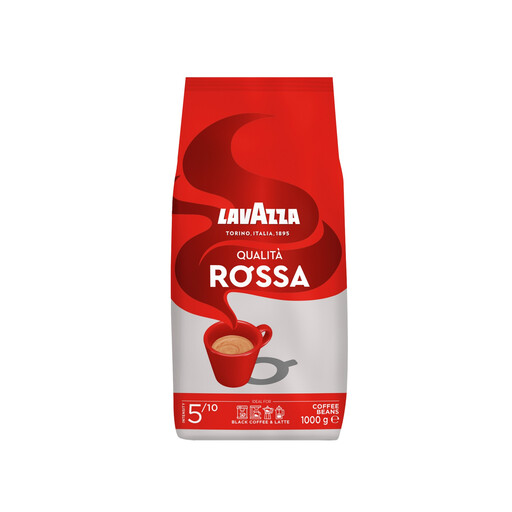 Image unavailable
For an everyday whole-bean taste trial, compare this 1000g pack with residents’ preferred drinks. Confirm that the home has suitable grinding equipment, and check the exact pack when caffeine details matter to an individual plan.
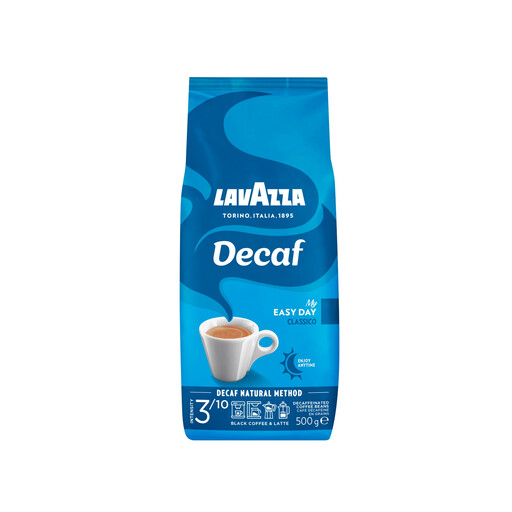 Image unavailable
This 500g whole-bean pack is explicitly labelled decaffeinated, making it a distinct choice alongside other beans. Keep its storage and serving route clear, and check the pack if an individual plan calls for more detailed caffeine information.
 Image unavailable
Consider this 1kg bean pack for a trial with residents who prefer an espresso-style drink. Check the exact pack and the home’s machine guidance before adding it to the service routine; the name does not establish its caffeine content.
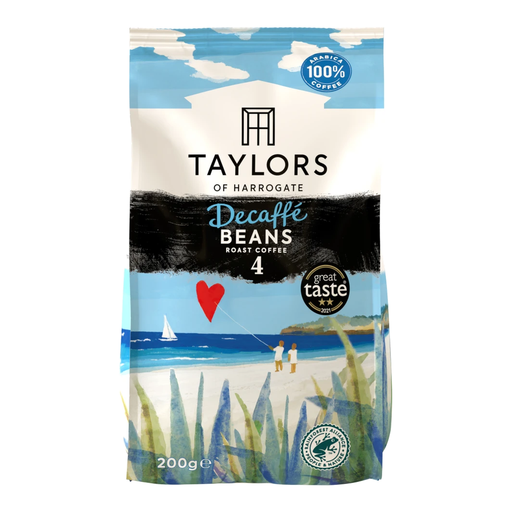 Image unavailable
This explicitly labelled decaf pack offers a 200 g whole-bean quantity for a separate coffee choice. Compare that size with how often decaf is requested, and keep its storage and preparation route distinct.
 Image unavailable
For residents interested in trying a darker-tasting coffee, this 200g whole-bean pack could be included in a taste trial. Do not use the name as a measure of caffeine content; check the exact pack if that information is needed.
No single caffeine choice suits every resident. Offer decaf to people who prefer it or whose individual plan calls for caffeine reduction, while retaining other choices where appropriate. The Care Quality Commission emphasises involving people in decisions about what they eat and drink.
Roast level alone cannot establish suitability for every resident. A medium-roast bean can be one option in a taste trial, but use resident feedback to judge flavour and the exact product label and individual care plan for caffeine-related decisions.
Yes, coffee is a drink, but it should sit within an individual approach rather than be the only drink offered. Royal United Hospitals Bath NHS Foundation Trust notes that fluids include drinks other than water, while the Care Quality Commission’s guidance calls for adequate hydration and attention to individual needs.
Choose whole beans only when the home has suitable grinding or bean-to-cup equipment and staff can follow its instructions. Grind and preparation can differ by brewing method: Waitrose, for example, gives separate guidance for espresso and filter or cafetière coffee.
No particular bean or roast is prescribed by the Care Quality Commission’s Regulation 14 guidance for regulated adult social care in England. Its requirement concerns meeting people’s nutritional and hydration needs; coffee choices should be considered in light of those needs and the person’s preferences.