Workers with a grinder or bean-to-cup machine
If you make coffee at your desk, start with the brewer you can actually use. An espresso machine, moka pot, filter brewer and cafetiere call for different preparation, including an appropriate grind.


For a quick desk lunch, choose whole beans only if you can grind them for your brewer; then weigh up flavour and pack size against how often you make coffee. Lavazza describes Qualità Rossa for espresso and moka, illy lists Classico for several methods, and Union recommends House Roast for cafetiere and filter brewing.
Whole beans are a practical desk-lunch choice when the equipment and preparation time fit the break.
If you make coffee at your desk, start with the brewer you can actually use. An espresso machine, moka pot, filter brewer and cafetiere call for different preparation, including an appropriate grind.
Brand tasting notes can help you choose a direction: chocolate, caramel and nut notes appear on several of these blends, while illy describes a smoother Classico profile with floral notes. They describe the intended flavour, not a guaranteed result in your cup.
A roast name or intensity number cannot tell you the caffeine in a prepared cup. Consider the coffee, serving and brewing method when tracking intake; NHS guidance sets a daily caffeine limit of 200 mg during pregnancy.
Settle the brewing method first. Flavour and pack size are easier to judge once you know how you will make the coffee.
| Priority | What to check | Your needs |
|---|---|---|
| Brewer and grind | Check for a grinder or compatible bean-to-cup machine. Match the grind to the method: Waitrose gives fine for espresso, medium for filter and coarse for cafetiere. | I need to make coffee during a short break with the equipment available at my desk. |
| Flavour direction | Compare the stated blend and tasting notes, then check the suggested method. Lavazza describes Qualità Rossa as an Arabica-and-Robusta blend for espresso or moka; illy lists its 100% Arabica Classico for moka, filter, espresso and lungo. | Do I want Lavazza’s chocolate and dried-fruit direction, or the smoother caramel and floral notes illy describes? Neither set of notes is a quality ranking. |
| Manual-brew time | Allow for grinding and preparing the brewer. Union recommends House Roast for cafetiere and filter coffee; that does not make manual brewing faster than using a machine. | If I use a cafetiere or filter brewer at lunch, I need enough time to prepare it as well as drink the coffee. |
| Pack size and storage | Compare the pack with how quickly you use beans and follow its storage instructions. Waitrose advises using its Espresso Beans within two weeks of opening for the best taste. | A large bag makes more sense when several people share it or I make coffee regularly; occasional lunches call for a closer look at smaller packs. |
| Caffeine | Do not use roast or intensity labels to calculate caffeine per cup. Check the drink and serving when tracking intake; the NHS advises no more than 200 mg of caffeine a day during pregnancy. | If I am reducing caffeine, I want to check the exact coffee and my total intake rather than assume a milder-sounding blend contains less. |
Whole beans need grinding before they go into an espresso, filter or cafetiere brewer, and the grind should suit that method.
Check for a usable grinder or compatible bean-to-cup machine at work before choosing a whole-bean pack.
If neither is available, preparing these beans at your desk would require access to additional equipment.
An intensity label describes a product profile; it does not give the caffeine quantity in the drink you prepare.
Choose flavour separately from caffeine needs. When caffeine intake matters, account for the coffee, serving size and other sources consumed that day.
A larger opened pack may outlast the period recommended for its best flavour. Waitrose advises using its Espresso Beans within two weeks of opening.
Think about how many cups your household or workplace makes before choosing a large pack, and follow the storage directions on the one you buy.
Chocolate, caramel, fruit and floral notes indicate the flavour a brand describes, not which coffee every drinker will prefer.
Use the notes to narrow your first choice, alongside the recommended brewing method and a manageable pack size.
These descriptions concern the named blends and product lines, not every coffee made by each brand.
Lavazza describes Qualità Rossa as a medium-roast Arabica-and-Robusta blend for espresso and moka.
illy lists Classico as a 100% Arabica blend suitable for moka, filter, espresso and lungo coffee.
Waitrose describes Taylors Rich Italian Beans as a medium-roast, 100% Arabica coffee with dark-chocolate and almond notes.
Union recommends its House Roast for cafetiere and filter brewing and describes chocolate and caramel notes.
M&S describes Roast & Ritual as a 100% Fairtrade Arabica house blend available as beans, and its Italian Style Coffee Beans with chocolate and nougat notes.
Waitrose lists its Espresso Beans as 100% Arabica with a medium-dark roast.
These whole-bean packs offer different sizes and named blends for a desk-lunch routine. Choose only after checking your grinding setup and how quickly you will use an opened pack.
 No image available
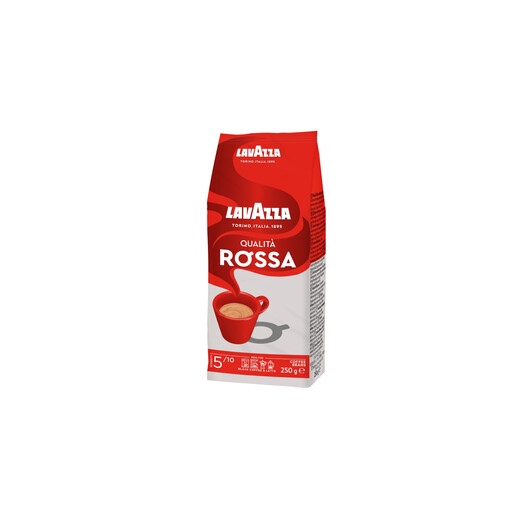
The 250 g pack is worth considering if desk-lunch coffee is occasional. Lavazza describes Qualità Rossa as a medium-roast Arabica-and-Robusta blend with chocolate and dried-fruit notes, suited to espresso and moka; whole beans still require suitable grinding equipment.
 No image available
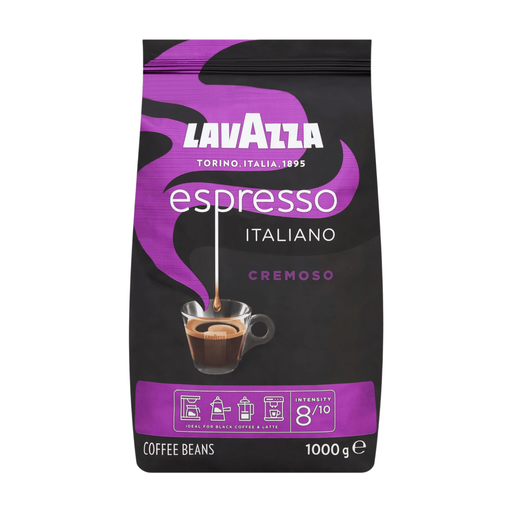
Consider this 1 kg whole-bean pack if coffee is made regularly enough to use a larger bag. Before choosing it for a desk brewer, check the pack’s brewing guidance and make sure you can grind the beans appropriately.
 No image available
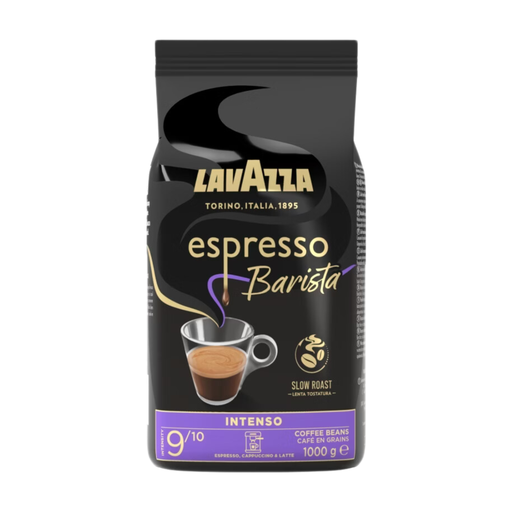
This 1 kg whole-bean pack calls for a check against your usual coffee consumption and available grinder or bean-to-cup machine. Check the current pack for method and storage guidance; the word “Intenso” does not tell you the caffeine in a cup.
 No image available
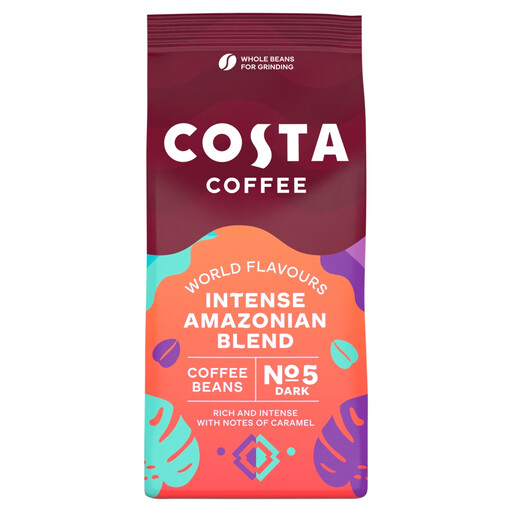
The 200 g pack offers a smaller format for someone who makes desk-lunch coffee less often. Check its brewing and storage directions against your equipment; a dark-sounding product name does not establish caffeine per cup.
 No image available
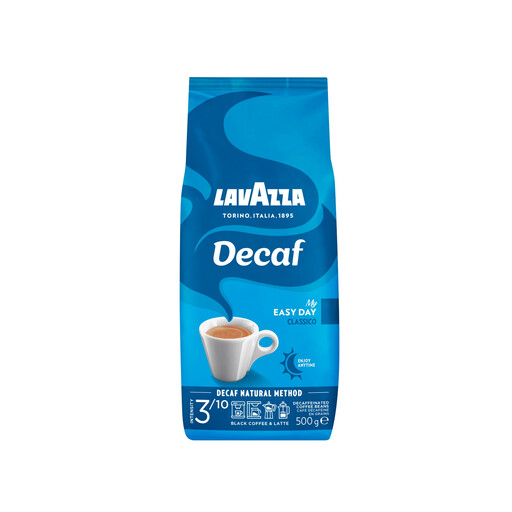
This 500 g decaffeinated whole-bean option is relevant when you want to reduce caffeine rather than choose by roast intensity. Check the pack for caffeine and brewing details relevant to your needs, and make sure you have suitable grinding equipment.
Yes, if you have time and access to a grinder or compatible bean-to-cup machine. The grind must suit your brewer: Waitrose gives fine for espresso, medium for filter and coarse for cafetiere. Without a way to grind beans, choose a different coffee format for that desk setup.
Chocolate, caramel or nut notes are a starting point if those flavours appeal to you. Lavazza describes chocolate and dried fruit in Qualità Rossa, Union describes chocolate and caramel in House Roast, and M&S describes chocolate and nougat in its Italian Style beans. These are brand descriptions, so a manageable first pack lets you judge the flavour for yourself.
Choose a large bag when the people using it are likely to finish it in line with the pack’s storage guidance. For example, Waitrose advises using its Espresso Beans within two weeks of opening for the best taste; occasional desk-lunch use may make a smaller pack easier to finish.
No. Roast and intensity names do not specify the caffeine in a prepared serving. Account for the coffee, serving and other caffeine consumed if you are tracking intake; NHS guidance advises no more than 200 mg of caffeine a day during pregnancy.