Airport café buyers planning 240 brewed drinks
Convert the drink forecast into kilograms using the intended serving size and dose. A filter-cup calculation will not give the same order quantity as a double-espresso calculation.


For an airport-food operation planning 240 brewed drinks, buy whole beans by weight rather than assuming that a box marked ‘240’ contains the right quantity. Using Waitrose & Partners’ serving guidance, 240 filter or cafetiere cups at 15 g need 3.6 kg, while 240 double espressos at 17 g need 4.08 kg; confirm the actual machine dose and allow for any beans used during setup before ordering. If ‘240’ means individually packaged portions instead, establish the required format before choosing whole-bean bags.
Convert the drink forecast into kilograms using the intended serving size and dose. A filter-cup calculation will not give the same order quantity as a double-espresso calculation.
Start with the machine’s programmed dose, then account for beans used while setting up or adjusting the grinder. A 1 kg bag does not represent a fixed number of drinks.
Choose beans for the brewing method and intended flavour profile, while keeping allergen information aligned with how the finished drinks and accompanying food are supplied.
Establish whether 240 means brewed drinks or individual portions, then calculate the bean weight from your service recipe. Choose a pack format and coffee profile that fit the equipment and menu.
When it fits: Use the machine’s double-shot recipe if espresso also forms the base of your milk drinks; Waitrose & Partners gives 16–17 g for a 50 ml double espresso.
Quantity to watch: At 17 g per drink, 240 doubles need 4.08 kg, so four 1 kg bags fall short even before beans used during setup are counted.
When it fits: For 250 ml cups made at the 15 g serving size given by Waitrose & Partners, 240 drinks need 3.6 kg.
Quantity to watch: Four 1 kg bags cover that stated recipe, but the calculation must change if your cup size or dose differs.
| Priority | What to check | Your needs |
|---|---|---|
| Order quantity | Confirm what ‘240’ counts. Multiply brewed drinks by the actual grams of beans per drink, then check the available sealed bag sizes and beans used during setup. | I need enough beans for the planned drinks without treating a bag or case as a set number of servings. |
| Equipment | Check that whole beans can be ground on site and that the grind and recipe suit the machine. Espresso, filter and cafetiere preparations need different grinds. | Our coffee service has to work with the grinder and brewing equipment already in use. |
| Menu flavour | Compare the supplier’s stated roast and tasting notes, then trial the beans with the intended black-coffee or milk-drink recipe. | I want the coffee offer to taste as intended in the drinks we actually serve, not just match a description on the pack. |
| Pack handling | Compare individual bag weights with the likely rate of use, storage space and the pack’s instructions after opening. | Smaller trial packs may help with menu selection; regular service needs a format staff can store and handle. |
| Allergen information | Check the ingredients of finished drinks, including milk, syrups and toppings, and whether each item is supplied prepacked or non-prepacked. The Food Standards Agency’s guidance on GOV.UK sets different information requirements by supply format. | Customers need allergen information that reflects the drinks and food we supply, not only the coffee beans. |
Waitrose & Partners’ serving guidance puts 240 drinks at 3.6 kg for 15 g filter or cafetiere cups, but 4.08 kg for 17 g double espressos. Four 1 kg bags therefore do not cover every recipe.
Confirm whether 240 means drinks or packaged portions. For drinks, calculate the required weight from the service recipe before choosing bags.
A tasting note does not establish how a bean will work with an espresso machine, filter brewer or cafetiere. The grind and actual recipe also matter.
Check the intended brewing method and run the proposed beans through the equipment before committing to a multi-kilogram order.
Retail packs and 1 kg bags create different numbers of packs to store, open and manage during service.
Choose the format after checking consumption rate, storage space and any pack instructions for opened beans.
Using many small packs also means more packs for staff to handle during a 240-drink run.
The Food Standards Agency’s guidance on GOV.UK says retail and catering food businesses must provide allergen information for both prepacked and non-prepacked food and drink. The requirements differ according to how an item is supplied.
Keep information for the finished offer, including relevant milk, syrups and toppings, and use the information method that applies to each supply format.
These brand and retailer references show different whole-bean formats and stated brewing uses; they are not a list of Joybuy stock or a comparison of coffee quality.
A reference for 1 kg food-service beans and an espresso-focused whole-bean option.
A reference for 100% Arabica beans offered in distinct aromatic profiles.
A reference for house blends and smaller whole-bean packs.
A reference for a 1 kg whole-bean blend with stated filter and cafetiere uses.
A reference for smaller retail bean formats when considering a menu trial.
A reference for a 1 kg whole-bean pack with published espresso and filter or cafetiere serving guidance.
These whole-bean bags and one multi-bag case offer pack weights to consider for a 240-drink plan. Check each listing’s exact identity and brewing guidance against your equipment, then use your own recipe to decide how many bags to order.
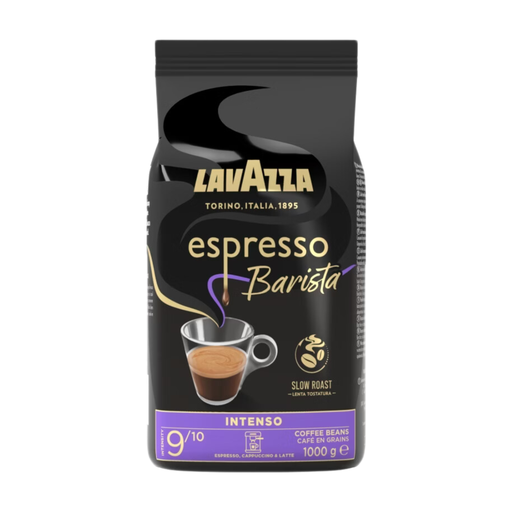 No image available
A 1 kg whole-bean pack to consider when planning an espresso or bean-to-cup order. Set the bag quantity using the machine’s actual dose and any beans used during setup.
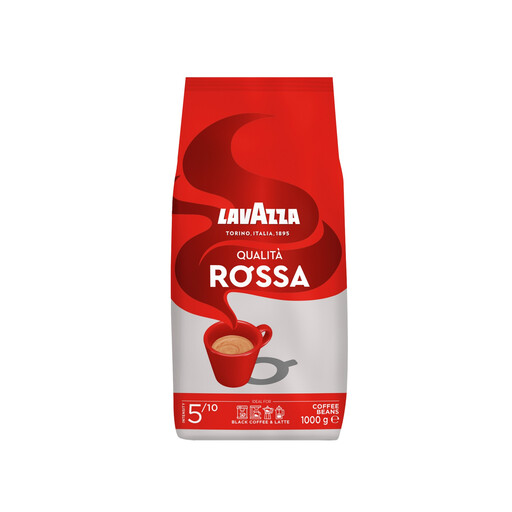 No image available
This 1000 g whole-bean pack gives a weight-based unit for a 240-drink calculation. Check the intended brewing method and your service recipe before setting the number of packs.
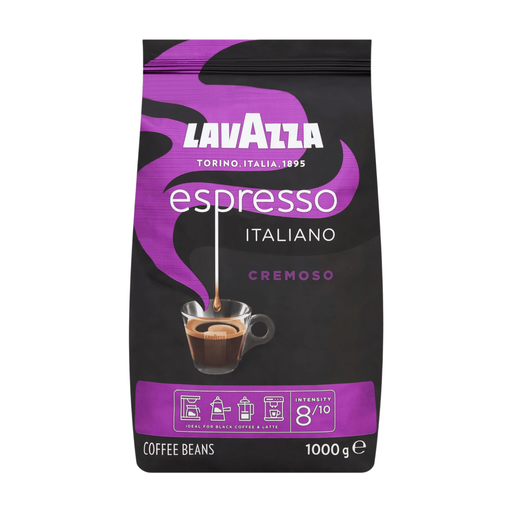 No image available
A 1 kg whole-bean option for a weight-based order. Confirm that the exact pack suits the intended machine and calculate the required bags from the programmed dose.
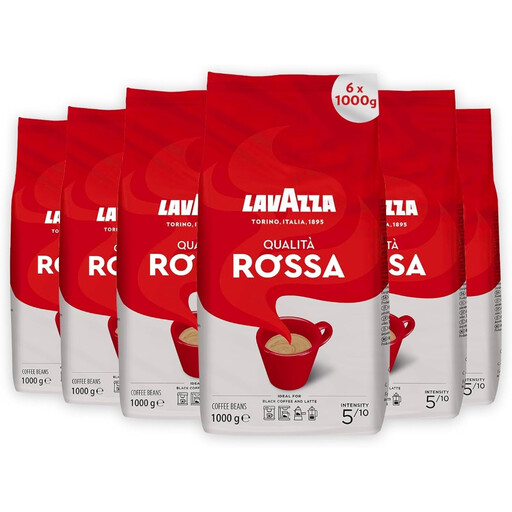 No image available
This case contains six 1 kg bags, or 6 kg in total. Compare that quantity with your 240-drink recipe and storage space before choosing a full case.
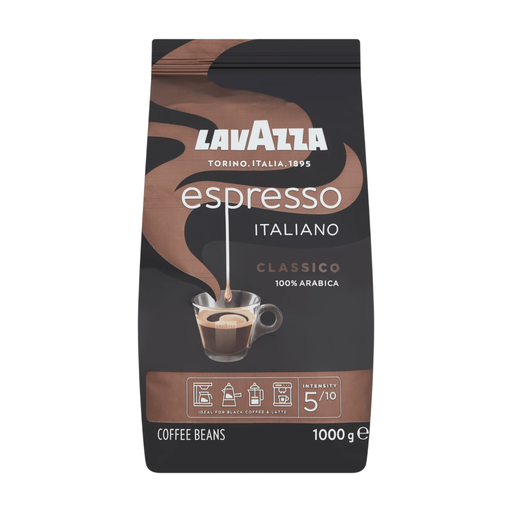 No image available
The listed 1 kg pack size can be used in a drink-to-weight calculation. Confirm the exact product before ordering: its title says Cafe Espresso, while its detailed description names Espresso Italiano.
It depends on the dose. Using Waitrose & Partners’ guidance, 240 filter or cafetiere cups at 15 g need 3.6 kg, so four 1 kg bags cover the stated recipe. At 17 g per double espresso, 240 drinks need 4.08 kg, which means five whole 1 kg bags if bags cannot be split when ordering; allow separately for beans used during setup.
Do not assume it does. Clarify whether the figure means brewed drinks, individually packaged portions or another unit before ordering. Whole-bean pack weights let you calculate brewed-drink quantities only after you know the recipe.
Choose against the intended menu and an on-machine trial, not the bean species alone. Waitrose & Partners lists a 100% Arabica espresso option and describes its separate Italian Espresso product as a 50% Arabica, 50% Robusta blend intended for short espresso and milk drinks; those product descriptions do not establish how either will taste in your recipe.
Follow the storage instructions on the exact pack and choose a bag size that suits the rate at which the operation uses beans. Include opened-pack handling and storage space when deciding between individual bags and a case.
The Food Standards Agency’s guidance on GOV.UK says UK retail and catering food businesses must provide allergen information for both prepacked and non-prepacked food and drink, with requirements that differ by supply format. Check the finished offer, including relevant milk, syrups and toppings, rather than relying only on the whole-bean ingredient list.