Choose decaf whole beans when reducing caffeine later in a night shift matters more than having a regular coffee; illy specifies no more than 0.1% caffeine for its whole-bean decaf, so decaf does not mean caffeine-free. For a regular coffee with a snack, start with the brewer you use, then choose a stated flavour profile you enjoy. Neither roast darkness nor an intensity score tells you the caffeine dose in your cup.
Who might choose each route?
Workers planning a coffee near the end of a shift
If your next sleep period is approaching, a decaf whole-bean option lets you keep a coffee break while choosing less caffeine than a regular blend. Check the particular product if its residual caffeine level matters to you.
Whole-bean drinkers choosing coffee for a sweet snack
If you already use a grinder, stated chocolate, caramel or dark-chocolate notes can help you choose a flavour direction. Those descriptions are starting points for taste, not a guarantee of how a brewed cup will taste.
Espresso, moka and bean-to-cup users
Check the preparation named for the exact beans and whether your grinder can produce the grind your brewer requires. A roast name or intensity number is not a substitute for that equipment check.
What should you check before buying?
For a night-shift break, decide when you will drink the coffee, match the beans to your brewer, then choose a flavour and pack size that suit your routine.
| Priority |
What to check |
Your needs |
| Caffeine |
Look for an explicit decaf statement if you want to reduce caffeine. Check the particular product for a residual caffeine figure; consider other caffeine-containing drinks and snacks across the shift. |
My coffee break falls close to when I plan to sleep, so reducing caffeine matters more to me than choosing a regular blend. |
| Flavour |
Compare the maker’s stated notes and intended drink style. Union describes chocolate and caramel notes for House Roast; Waitrose describes dark chocolate in its No.1 Italian Espresso. |
With a sweet snack, I would rather choose a flavour description that appeals to me than treat a higher intensity number as a quality rating. |
| Brewing |
Check the exact product’s recommended method and your grinder’s settings. Lavazza lists Espresso Barista Intenso for espresso and moka; Union particularly recommends House Roast for cafetière brewing. |
I need beans I can prepare with the machine or manual brewer I actually use during my break. |
| Pack size |
Compare the pack with how often you make coffee. Follow its storage instructions and grind only what you need; Waitrose advises using its No.1 Italian Espresso within two weeks of opening. |
Some weeks I make only a few shift-break coffees, so I want a pack I can reasonably finish. |
Buying mistakes to avoid
-
Treating intensity or roast as a caffeine figure
Lavazza labels Espresso Barista Intenso at 9/10 intensity, but that score does not establish the caffeine in a prepared cup or provide a comparable scale across brands.
If lowering caffeine is the aim, choose beans explicitly labelled decaffeinated and check the product’s caffeine statement rather than relying on flavour or roast descriptions.
-
Opening a large bag for occasional coffees
Air affects coffee flavour and aroma, according to Waitrose, which advises using its No.1 Italian Espresso within two weeks of opening. That timeframe matters more when you brew only occasionally.
Choose a pack size that fits your use, reseal it as directed and grind the amount needed for each drink.
A bag that stays open longer than you intended can leave beans unused.
-
Choosing beans without checking the brewer
Products can name different preparations: Lavazza specifies espresso and moka for Espresso Barista Intenso, while Union recommends House Roast particularly for cafetière brewing. Whole beans also need a way to grind them.
Check the preparation guidance for the exact product and whether your grinder can make a suitable grind for your equipment.
-
Counting coffee but forgetting other caffeine sources
The European Food Safety Authority’s caffeine assessment considers intake from all sources, not just coffee. Tea, energy drinks and some snacks may also contribute during a shift.
Consider the whole shift when deciding whether a regular or decaf coffee fits your plans for the next sleep period.
Brand references for different brews
These examples describe particular products or ranges; check the exact pack rather than assuming every coffee from a brand has the same beans, flavour or brewing guidance.
Lavazza
Lavazza’s Espresso Barista Intenso is an espresso- and moka-oriented whole-bean option.
- Lavazza specifies an intensity of 9/10 and cocoa and woody notes for this product.
- Its intensity rating is not a caffeine-per-cup figure.
illy
illy offers a 250 g whole-bean decaf for shoppers who want an explicit caffeine specification.
- illy states that its Decaffeinated Coffee beans contain no more than 0.1% caffeine.
- That specification does not make the beans caffeine-free; check the exact product and preparation you intend to use.
Taylors of Harrogate
Waitrose lists Taylors of Harrogate whole-bean coffees, including Rich Italian Beans and Lazy Sunday Coffee Beans in 200 g formats.
- The smaller listed formats may suit someone buying beans for occasional breaks.
- Check the particular pack for its roast and brewing guidance before matching it to your equipment.
Union
Union describes House Roast Original Blend as an everyday coffee with chocolate and caramel notes.
- Union particularly recommends House Roast for cafetière brewing.
- Its stated flavour notes describe the brand’s product; they do not establish the caffeine in a prepared cup.
M&S
M&S describes its house blend as 100% Fairtrade Arabica, with candied-nut and dried-fruit flavours, and offers it as beans.
- The stated flavour profile gives shoppers a way to judge whether the blend appeals alongside their usual snack.
- Check the exact bean pack for its size and brewing guidance.
Waitrose
Waitrose’s whole-bean range includes espresso-style and decaf choices.
- Waitrose describes its No.1 Italian Espresso as a 250 g blend of 50% Arabica and 50% Robusta, with dark-chocolate notes.
- Waitrose advises using that Italian Espresso product within two weeks of opening; check storage directions on other packs separately.
Joybuy coffee beans for shift breaks
These options include decaf beans for breaks when reducing caffeine matters, alongside regular beans in different pack sizes for shoppers choosing by drink style and use frequency. Check the exact pack and your brewer before choosing.
 No image available
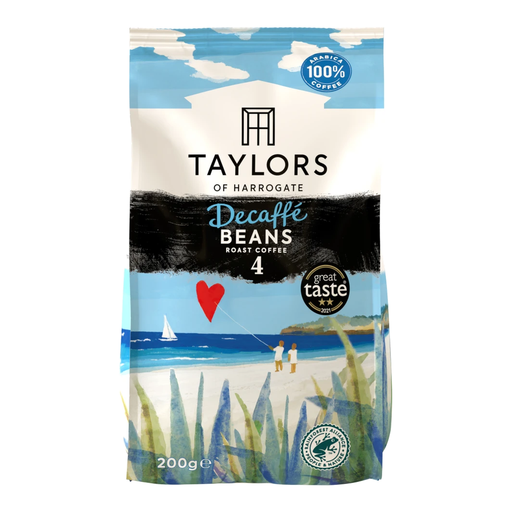
Taylors Decaf Coffee Beans 200 g
A decaf whole-bean option to consider when reducing caffeine is the priority for a later shift break. The pack is 200 g; check its residual caffeine information if a particular level matters, and confirm that the beans suit your brewer.
View on Joybuy
 No image available
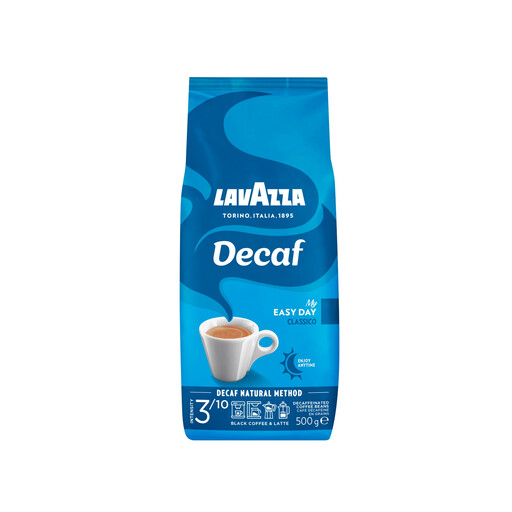
Lavazza Decaffeinated Coffee Beans 500 g
Another decaf whole-bean choice for a break when you want to reduce caffeine. Consider whether the 500 g pack fits how often you brew, and check the exact pack for residual caffeine and brewing guidance.
View on Joybuy
 No image available
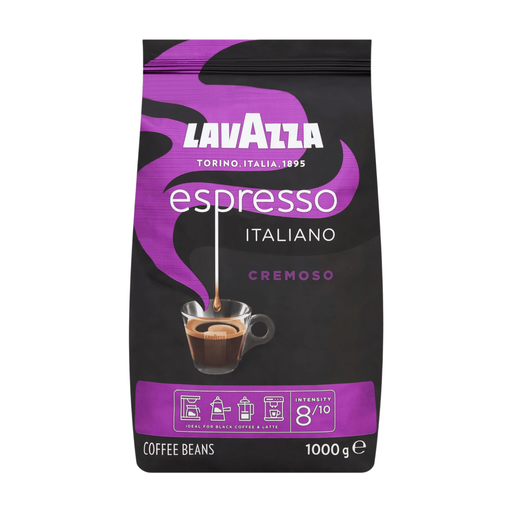
Espresso Italiano Cremoso Beans 1 kg
An espresso-style whole-bean option for a regular-coffee break. Check the preparation guidance against your machine rather than relying on the name alone, and consider whether you will finish the 1 kg pack at a pace that suits you.
View on Joybuy
 No image available
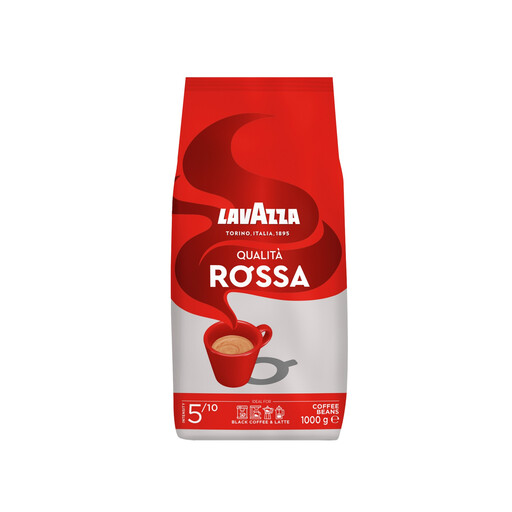
Lavazza Qualita Rossa Coffee Beans 1000 g
A regular whole-bean option to consider if you make coffee often enough to use a larger pack. Its 1000 g size makes storage and consumption worth planning; check preparation guidance for your own brewer.
View on Joybuy
 No image available
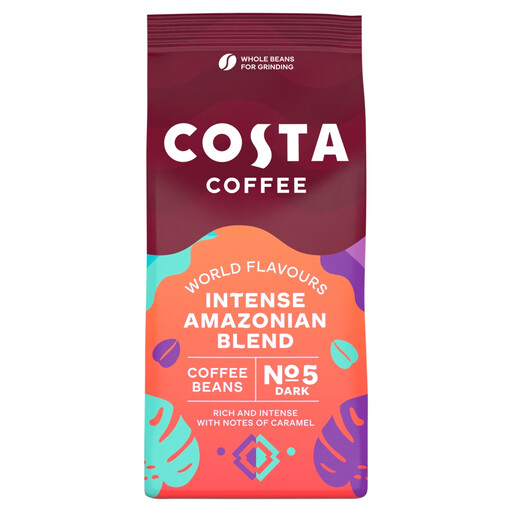
Costa Intensely Dark Amazonian Blend Coffee Beans 200 g
A 200 g whole-bean option for shoppers interested in a dark-roast style without committing to a larger pack. Dark roast does not establish caffeine per cup; check the pack’s brewing guidance and choose separately whether regular coffee suits the timing of your break.
View on Joybuy
Frequently asked questions
Should I choose decaf beans for a late-shift break?
Choose decaf if reducing caffeine before your planned sleep period is the main consideration. Decaf is not necessarily caffeine-free: illy specifies no more than 0.1% caffeine for its particular whole-bean decaf, so check the product you buy rather than applying that figure to every decaf blend.
Does a higher coffee intensity number mean more caffeine?
No: an intensity number is not a comparable measure of caffeine in a prepared cup. Lavazza’s 9/10 rating describes its Espresso Barista Intenso product; if caffeine reduction is your priority, look for an explicit decaf or caffeine statement instead.
Which beans can I use for an espresso-based milk drink?
Waitrose describes its No.1 Italian Espresso beans as suitable for a cappuccino or latte base. Check that you have an espresso-capable brewer and can grind the beans appropriately; a flavour description alone does not establish equipment compatibility.
How should I handle beans after opening the pack?
Follow the storage directions on the exact pack, close it promptly and grind only what you need. Waitrose says air affects flavour and aroma and advises using its No.1 Italian Espresso within two weeks of opening; that product-specific timeframe need not apply to every bag.


