Shops serving espresso-style coffee
If the shop uses an espresso machine, bean-to-cup machine or moka pot, shortlist beans specified for its actual preparation method. A prominent strength number alone does not establish that fit.


Choose a bold whole-bean coffee that is specified for the shop’s brewing equipment: Lavazza Espresso Barista Intenso is intended for espresso and moka, while illy Intenso is listed for espresso, lungo, moka and filter coffee. Compare flavour descriptions and preparation methods rather than treating different brands’ strength numbers as equivalent or assuming that a dark taste means more caffeine. If the shop serves drinks, consider a separate decaf choice and keep allergen information current.
The right bean depends on how the shop makes coffee and whether its offer includes a decaffeinated drink.
If the shop uses an espresso machine, bean-to-cup machine or moka pot, shortlist beans specified for its actual preparation method. A prominent strength number alone does not establish that fit.
Where espresso, filter, cafetière or lungo-style drinks share a menu, check which methods the maker lists for the same bean before relying on one product for every drink.
A decaffeinated bean gives customers another choice alongside the regular house coffee. Check its stated preparation method separately; compatibility of the regular bean does not establish compatibility of the decaf one.
Start with the brewing equipment, then compare the flavour profile and the choices customers will be offered.
| Priority | What to check | Your needs |
|---|---|---|
| Brewing method | Check the maker’s stated methods against the shop’s machine or brewer. Lavazza lists Espresso Barista Intenso for espresso and moka; illy lists Intenso for espresso, lungo, moka and filter. | If I serve more than one style of coffee, I want a bean specified for those methods rather than choosing by its strength number alone. |
| Bold flavour | Compare roast descriptions and tasting notes, then assess the bean in the shop’s usual recipe. Lavazza describes Espresso Barista Intenso as full-bodied with cocoa and woody notes; M&S describes its Espresso Blend as dark and full-bodied. | My regular cup should have the flavour customers expect, whether that means a particular dark-roast profile or a specific set of tasting notes. |
| Caffeine choice | Check bean type separately from roast or flavour-strength labels. Waitrose & Partners says Robusta can contain up to twice the caffeine of Arabica; a decaf product is a separate choice. | I want customers to be able to distinguish a bold-tasting regular coffee from a decaffeinated option without assuming that flavour strength states caffeine content. |
| Prepared-drink information | Keep current ingredient and allergen information for drinks and additions such as milk, syrups or toppings. Check it again when a product or recipe changes, and ensure relevant staff are trained. | When the shop prepares drinks, I need staff to give accurate allergen information for what is actually served. |
A strength label describes a product’s flavour profile within its maker’s range; it is not a shared caffeine scale. Waitrose & Partners notes that caffeine also varies by bean type, with Robusta containing up to twice as much as Arabica.
Choose the house bean for its intended cup profile, check the exact product information when caffeine matters, and assess a decaf bean as a separate option.
Lavazza specifies Espresso Barista Intenso for espresso and moka, whereas illy lists Intenso for espresso, lungo, moka and filter. Those stated uses matter more to a mixed-method shop than comparing the brands’ different intensity scales.
List the shop’s preparation methods before shortlisting beans, and confirm the intended use of each product.
Product information can change. For businesses serving prepared food or drink, the Food Standards Agency’s guidance for England, Northern Ireland and Wales and Food Standards Scotland’s guidance address allergen information and staff training.
Check current packs and supplier information when ingredients or recipes change, and keep the shop’s allergen information and staff procedures aligned with the drinks served.
These examples describe particular beans and ranges, not a single strength scale shared across brands.
Espresso Barista Intenso is an espresso-and-moka option that Lavazza describes as intense and full-bodied.
illy lists its 500 g Intenso whole beans as 100% Arabica and suitable for espresso, lungo, moka and filter coffee.
Union describes different beans for different roles: its medium-roast House Roast is recommended for cafetière or filter, while its dark-roast decaf is recommended for espresso or bean-to-cup.
M&S describes its Espresso Blend Coffee Beans as rich, dark and full-bodied, with dark-chocolate and date-like notes.
Waitrose & Partners lists whole-bean coffees from several makers and publishes guidance distinguishing roast-related flavour intensity from differences associated with bean type.
These whole-bean options cover a dark-tasting regular coffee, a larger regular pack and a decaffeinated companion. Check each bean against the shop’s brewing equipment and expected rate of use.
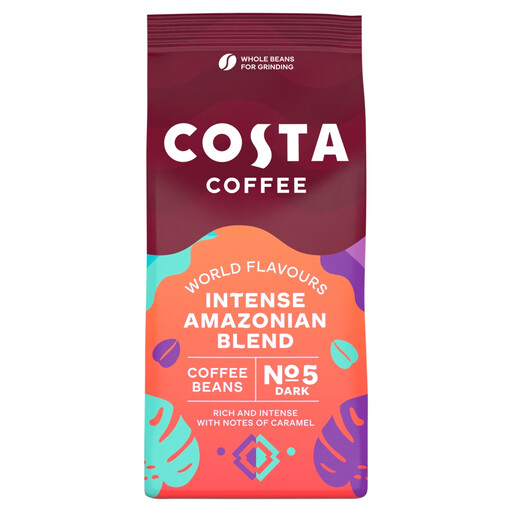 No image available
A dark-profile regular bean to consider for the shop’s house coffee. Check its stated brewing methods against your equipment and whether a 200 g pack fits expected turnover; its name does not establish caffeine content.
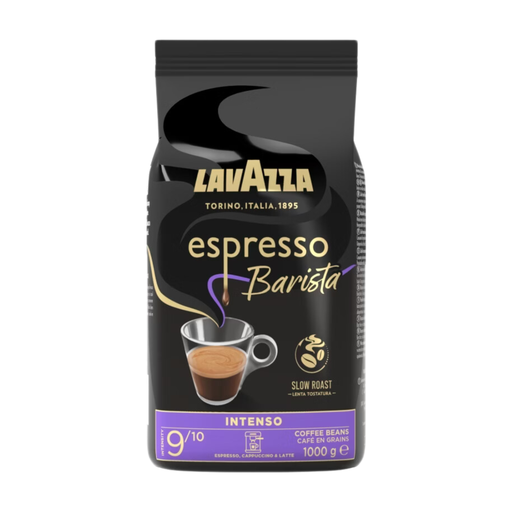 No image available
A 1 kg regular-bean option if the shop can use that pack size within its normal turnover. Confirm the current pack’s brewing guidance for each drink served; do not confuse Barista Intenso with Lavazza Espresso Barista Intenso, the separate product discussed above.
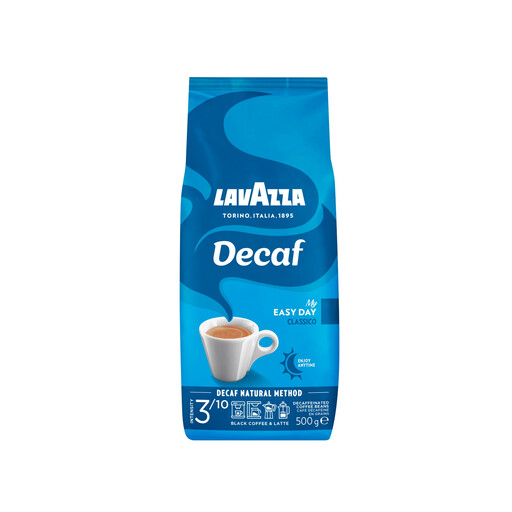 No image available
A 500 g decaffeinated bean to assess alongside a regular house coffee. Check the pack or supplier’s brewing guidance for the shop’s equipment before adding it to the drinks menu.
No: a maker’s strength rating is not a universal caffeine measure. Waitrose & Partners says caffeine varies by bean type and that Robusta can contain up to twice as much as Arabica. Check the exact product if caffeine is relevant to the shop’s offer.
The shop setting alone does not determine the bean. Compare the intended cup and brewing method: illy lists its Intenso as a full-bodied 100% Arabica bean for several methods, while Waitrose & Partners lists Blue Turaco Specialty Robusta as a strong, high-caffeine option. Do not infer individual customers’ preferences from their age; keep regular and decaf choices clear.
Yes, when the business provides prepared food or drink. The Food Standards Agency says retail and catering businesses in England, Northern Ireland and Wales must provide allergen information for prepacked and non-prepacked food and drink and train staff; Food Standards Scotland also provides allergen-information and staff-training guidance for Scottish food businesses. Keep information current for ingredients such as milk, syrups and toppings.
Follow the current pack’s storage instructions and choose a pack size that suits the shop’s rate of use. Waitrose & Partners advises grinding only the beans needed for the coffee being made and using them straight away.