Parents settling into a home-coffee routine
If you use the same brewer most days, start with beans whose stated preparation methods suit it. Choose a pack size you can finish at your household’s usual pace.


Choose whole beans for the coffee you actually make: a smooth-tasting 100% Arabica product may suit a black-coffee routine, while a blend explicitly recommended for milk drinks is a more useful starting point for regular lattes or cappuccinos. If reducing caffeine matters more, choose beans labelled decaffeinated rather than judging caffeine by roast or flavour; during pregnancy, NHS guidance limits caffeine from all sources to 200mg a day.
If you use the same brewer most days, start with beans whose stated preparation methods suit it. Choose a pack size you can finish at your household’s usual pace.
If lattes or cappuccinos are your regular drinks, look for an exact blend that its producer recommends for milk recipes rather than relying on an intensity number alone.
Look for whole beans explicitly labelled decaffeinated. If you are pregnant, account for caffeine from other foods and drinks too: NHS guidance sets a limit of 200mg a day from all sources.
Start with your brewer and usual drink, then consider caffeine and how quickly your household will use an opened pack.
| Priority | What to check | When it matters |
|---|---|---|
| Brewer and flavour | Check the exact product’s recommended preparation methods and stated flavour notes. A 100% Arabica label identifies bean composition, not a guaranteed taste. | I mostly drink black coffee and want a flavour I will enjoy from the brewer already in my kitchen. |
| Milk drinks | Look for an explicit recommendation for milk recipes or the espresso drinks you make. Lavazza describes Crema e Aroma as an Arabica-Robusta blend suited to milk recipes. | Lattes or cappuccinos are our usual drinks, so suitability with milk matters more to me than an intensity label. |
| Caffeine | Choose beans labelled decaffeinated if reducing caffeine is the aim; roast colour and smooth flavour do not establish caffeine content. During pregnancy, NHS guidance limits total caffeine from all sources to 200mg a day. | I want a later-day coffee or need to keep track of caffeine from coffee alongside other foods and drinks. |
| Pack size and storage | Compare pack sizes with how quickly you use beans, then follow the chosen product’s instructions after opening. A larger bag may be awkward if coffee drinking is irregular. | Some weeks we make fewer coffees, and I would rather choose a pack we can use while its flavour still suits us. |
Beans can lose aroma after opening, which matters if your household makes coffee less often than expected.
Match the pack to your likely use and follow its storage instructions. A smaller pack is a practical starting point for an irregular routine.
Those descriptions do not tell you how much caffeine is in a prepared drink. During pregnancy, NHS guidance limits caffeine from all sources to 200mg a day.
If reducing caffeine is the purpose of the purchase, choose an explicitly labelled decaf product and account for other caffeine sources.
A blend recommended for espresso or milk drinks may not match a household that usually prepares filter coffee.
Check the exact beans’ stated brewing methods against your usual brewer before deciding on flavour or pack size.
These named ranges illustrate different blend, pack-size and decaf choices; check the details of the particular product you plan to buy.
Lavazza describes Crema e Aroma as an Arabica-Robusta whole-bean blend suited to milk recipes.
illy describes CLASSICO as a smooth-tasting 100% Arabica blend, offered in a 250g can.
Taylors describes its Rich Italian beans as rich and smooth, with less bitterness than darker roasts.
Union offers a whole-bean Decaf Blend and recommends this particular blend primarily for espresso or bean-to-cup brewing.
M&S identifies its 454g Espresso Blend Coffee Beans as 100% Arabica and Fairtrade sourced.
Waitrose positions its No.1 Italian Espresso Slow Roasted Coffee Beans for espresso.
These whole-bean options include larger everyday packs and smaller or decaffeinated choices. Compare each one with your brewer, usual drinks and likely rate of use.
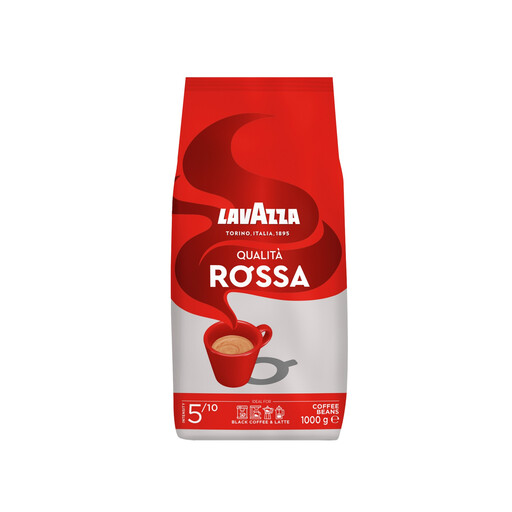 No image available
For a regular home-coffee routine, check the brewing directions against your machine. Consider whether your household will use a 1kg pack promptly after opening.
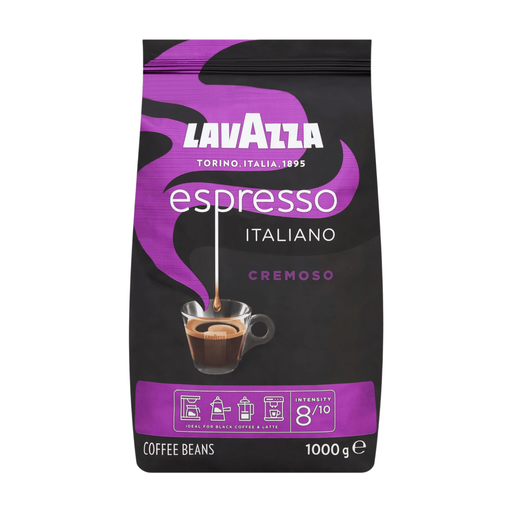 No image available
If espresso is your usual drink, check the pack’s preparation guidance before choosing these beans. The 1kg size is worth weighing against how often you make coffee.
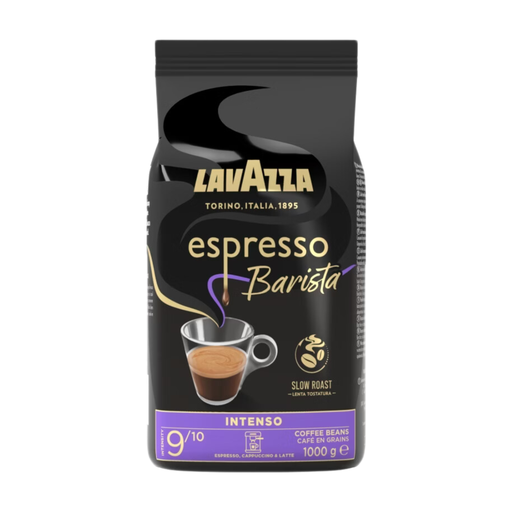 No image available
For an espresso-oriented routine, check the preparation guidance for your machine. If Arabica or Robusta content determines your choice, confirm the composition on the pack; also consider whether 1kg suits your rate of use.
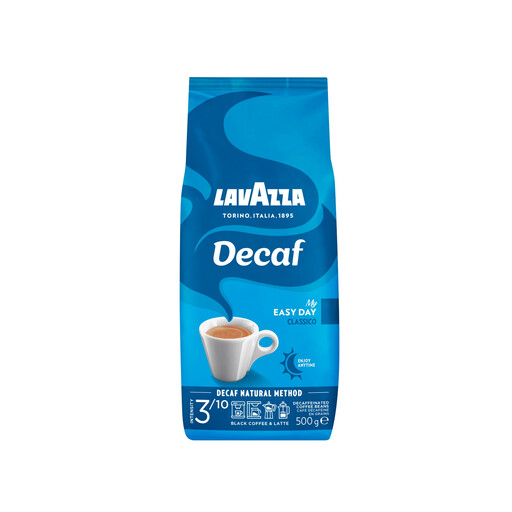 No image available
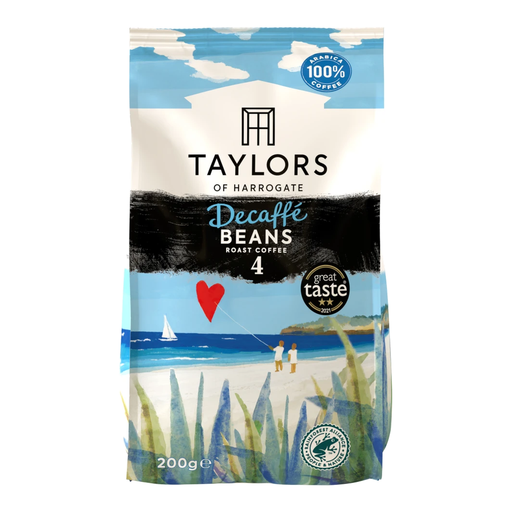
An explicitly decaffeinated whole-bean choice for a household reducing caffeine. Check its preparation guidance against your brewer, and do not assume decaffeinated means caffeine-free.
 No image available
This smaller decaf pack may suit a household using beans less frequently. Confirm that its preparation directions fit your brewer and follow the pack’s instructions after opening.
Start with your usual drink and the exact product’s guidance. illy describes its 100% Arabica CLASSICO as smooth-tasting, while Lavazza recommends its Arabica-Robusta Crema e Aroma for milk recipes; neither bean label guarantees that every product will taste the same.
No caffeine amount can be established from those flavour descriptions. If reducing caffeine is your aim, choose beans explicitly labelled decaffeinated rather than relying on taste or roast style.
NHS pregnancy guidance says not to have more than 200mg of caffeine a day from all sources. That includes coffee as well as sources such as tea, cola, chocolate and some supplements; caffeine in a prepared coffee can vary.
Follow the instructions for the beans you buy, including how to close the pack and where to keep it. Choose a pack size that fits how quickly your household uses coffee.
Yes, unless your bean-to-cup machine has an integrated grinder. Grind the beans for your brewing method and check the chosen product’s preparation guidance.