Grinder and bean-to-cup users
If you can grind beans just before an afternoon coffee, choose a whole-bean product listed for your espresso machine, moka pot, filter brewer or cafetière.


Choose whole beans if you have a grinder or bean-to-cup machine, then match the coffee to your brewer and how you serve it: options include beans listed for several brewing methods, an espresso blend described for milk drinks, a cafetière-focused coffee or decaf for a later break. For storage, look for an airtight, opaque container that you can keep somewhere cool and dark rather than a clear jar on a sunny worktop.
If you can grind beans just before an afternoon coffee, choose a whole-bean product listed for your espresso machine, moka pot, filter brewer or cafetière.
If the break usually means a cappuccino or latte, look for a blend the seller describes as suitable with milk. Waitrose describes its No.1 Italian Espresso beans for serving either black or with milk.
Decaffeinated whole beans let you keep the same grinding and brewing routine while choosing a labelled decaf coffee. Check the individual product’s caffeine statement if a declared limit matters to you.
Start with the equipment you use, then narrow the choice by serving style, pack size and where you will keep opened beans.
| Priority | What to check | Your needs |
|---|---|---|
| Brewing method | Confirm that you can grind whole beans. Check the product’s listed brewing methods and the grind setting your brewer needs; Waitrose advises coarse grinding for a cafetière, medium for filter and fine for stovetop or traditional espresso. | I use a particular brewer, so I want beans and a grind setting that fit the way I make my afternoon coffee. |
| Flavour and serving | Read the individual coffee’s roast, flavour notes and serving suggestions. For example, illy lists Classico for moka, filter, espresso and lungo, while Waitrose describes its No.1 Italian Espresso blend for black coffee or coffee with milk. | A gentler black coffee, a milk drink and a cafetière shared with someone else call for different choices; I want the product description to match how I serve it. |
| Storage | Check that a jar closes airtight and blocks light, and that it fits the amount of beans you open. The National Coffee Association advises protecting beans from air, moisture, heat and light. | I open a bag over several breaks and need somewhere to keep it away from the sun and kitchen heat. |
| Pack size | Compare the stated pack weight with how often you brew and the space available for storage. Taylors of Harrogate lists different whole-bean blends in formats including 200 g, 454 g and 1 kg; sizes vary by blend. | If I only make occasional afternoon coffees, I want to consider how long an opened bag will be in use. |
| Decaf choice | Look for a product labelled decaffeinated rather than judging caffeine by roast colour. Check its stated caffeine limit and whether its listed brewing methods suit your equipment; illy states no higher than 0.1% caffeine for its cited decaf whole beans. | For a later break, I would rather choose a labelled decaf coffee than assume a lighter roast contains less caffeine. |
Light, heat, air and moisture are storage concerns identified by the National Coffee Association; a clear jar lets light reach the beans.
Choose an airtight, opaque container and keep it in a cool, dark cupboard away from heat and direct sun.
Whole beans need grinding before brewing, and the appropriate grind varies with the brewer.
Check your grinder or bean-to-cup setup before ordering, then match the grind to your brewing method.
If you do not have suitable grinding equipment, you will need access to it to use whole beans.
A light or medium roast label does not establish that a coffee is decaffeinated. NHS Borders notes that caffeine-containing drinks can disrupt sleep when consumed close to bedtime.
If you want decaf for a later break, choose a product labelled decaffeinated and check its stated caffeine level.
Compare the particular blend and its brewing guidance rather than assuming every coffee from a brand has the same flavour or uses.
Lavazza lists whole-bean blends for espresso and moka, including Espresso Italiano Classico and Espresso Barista Perfetto.
illy lists Classico and decaffeinated whole beans for moka, filter, espresso and lungo preparation.
Taylors of Harrogate lists whole-bean blends including Lazy Sunday, Rich Italian and Decaffe.
Union provides brewing and flavour descriptions for individual coffees, including House Roast.
M&S lists whole-bean options including espresso blends, Italian-style coffee and single-origin products.
Waitrose lists own-label and branded whole beans, including No.1 Italian Espresso.
These options cover whole beans for afternoon coffee, a decaf bean choice and canisters for storing opened coffee. Choose the beans to suit your brewer; assess the canisters separately for closure, capacity and where you will keep them.
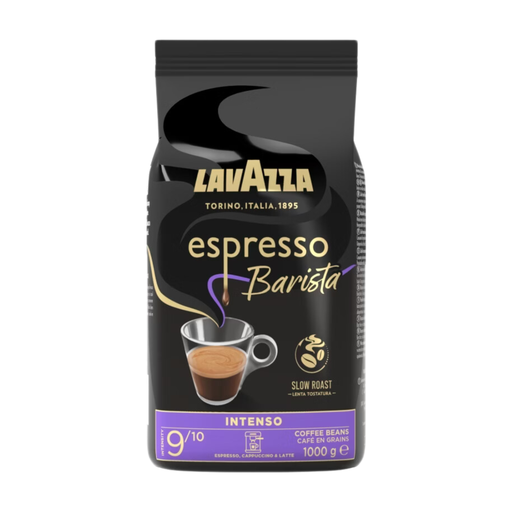 No image available
For afternoon coffee made from whole beans, check that you have a suitable grinder or bean-to-cup machine. This is a 1 kg pack; consider how often you brew and how you will store it after opening.
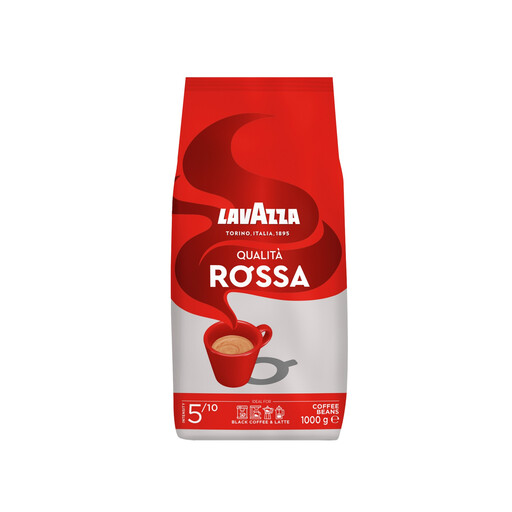 No image available
For an afternoon espresso, filter coffee or cafetière, Joybuy describes this as a medium-roast Arabica and Robusta whole-bean blend for those methods. The pack contains 1000 g; check that the size fits how often you use and store beans.
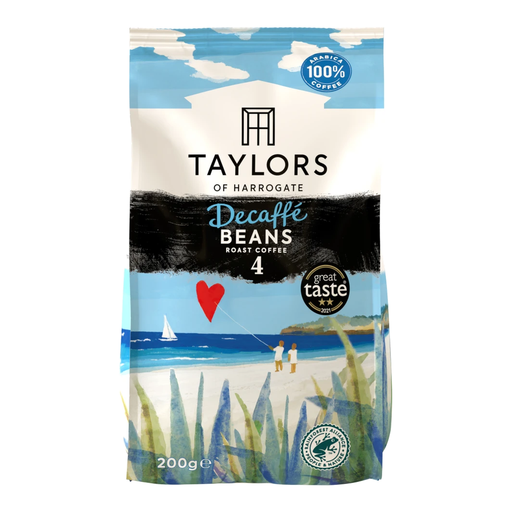 No image available
For a later break when you prefer decaf, this is a 200 g pack of whole beans. Check the pack’s brewing guidance against your equipment and its caffeine statement if you need a declared limit.
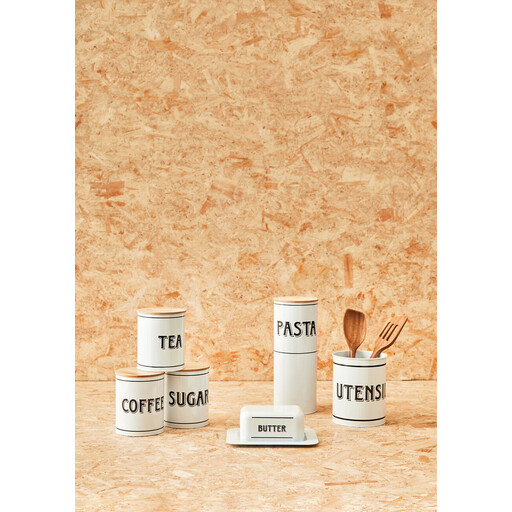 No image available
For keeping opened beans between afternoon breaks, inspect this metal canister’s closure and check its capacity against your usual bag size. Plan to keep it away from heat and direct sunlight.
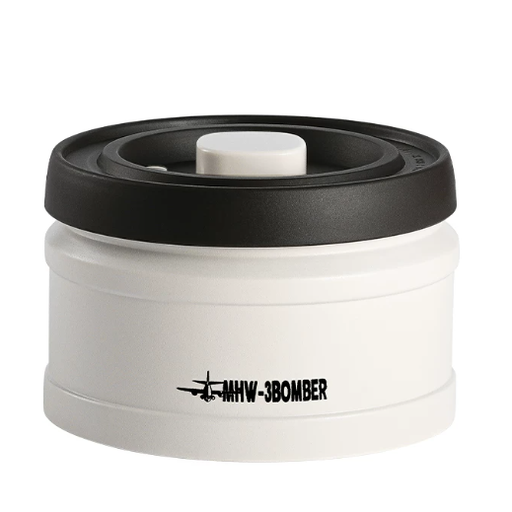 No image available
For storing coffee between breaks, this is a manual vacuum canister. Check its capacity, closure and cleaning instructions, and whether the place you intend to keep it protects the coffee from light; the product name alone does not establish storage performance.
Yes. You need a standalone grinder or a bean-to-cup machine before brewing whole beans. Waitrose advises grinding only the amount you need and using it straight away.
Look for an airtight closure and an opaque container you can keep somewhere cool and dark. The National Coffee Association advises protecting beans from air, moisture, heat and light, and notes that clear canisters admit light.
Follow the directions for the particular coffee rather than treating either as the default. Waitrose says its No.1 Italian Espresso tin can be reclosed and kept somewhere cool or in the fridge; M&S gives different, product-specific airtight storage directions for its Colombian beans, including two weeks in the fridge or four weeks in the freezer.
Choose whole beans labelled decaffeinated and check their stated caffeine level and brewing methods. illy states no higher than 0.1% caffeine for its cited decaf beans; decaf does not mean caffeine-free.
Choose a container expressly intended for food contact and check its stated materials and care instructions. The Food Standards Agency explains that Great Britain has official authorisations for substances used in plastic food-contact materials; that general framework does not establish whether a particular jar meets those requirements.