What should you check before choosing beans?
Decide how you will brew the coffee, then compare flavour descriptions with the food and drink you plan to take.
| Priority | What to check | Your needs |
|---|
| Flavour |
Compare stated roast and flavour notes with the food you expect to eat. Lavazza cautions that intensity also depends on personal taste, so do not use its number alone to judge flavour or caffeine. |
I might have different snacks on each journey, so I want a flavour direction I would enjoy with more than one kind of food. |
| Preparation |
Check that you can grind and brew the beans before boarding, or have confirmed access to suitable equipment. Follow the product's preparation advice and match the grind to your brewer. |
My coffee needs to be ready for the train; I cannot rely on whole beans alone to make a drink during the journey. |
| Pack and storage |
Compare pack size with how often you brew coffee. Read the particular pack's instructions for resealing, storage and use after opening. |
If I only make coffee for occasional journeys, I would rather choose a pack I can use as directed after opening. |
| Caffeine |
Consider decaf if you want to reduce caffeine, and check product-specific information when you need to track it. During pregnancy, the NHS advises no more than 200mg of caffeine a day from all sources. |
For a later journey, I may prefer decaf. If caffeine limits apply to me, I need to consider what I have had throughout the day. |
| Carrying the drink |
Plan how you will carry prepared coffee without spilling it. National Rail says passengers can bring their own food and drink on the train. |
I want to bring coffee with my food and handle a hot drink carefully while travelling. |
Which brand ranges illustrate the options?
These brand examples show different stated flavour and preparation directions; check the individual product rather than treating a description as a guarantee of taste.
Lavazza
Lavazza Espresso Italiano Classico is described by Lavazza UK as a light-roast, 100% Arabica coffee with floral notes.
- Its stated roast and flavour notes give a clear direction if you prefer an aromatic coffee.
- Lavazza cautions against relying on intensity alone to predict personal taste.
illy
illy UK lists its Classico 500g beans for moka, filter, espresso and lungo preparation.
- The named brewing methods help if you use more than one type of equipment before travel.
- Check the particular illy blend's flavour description if you want a dark or especially pronounced profile.
Taylors of Harrogate
Taylors of Harrogate describes its Rich Italian beans with chocolate and nut notes and a citrus accent.
- Those producer-described notes offer a direction to consider with richer snacks or milk coffee.
- The tasting notes do not establish how the coffee will taste with every food or brewing method.
Union
Union describes Bright Note as an espresso blend with nectarine, milk chocolate and macadamia notes.
- Its stated fruit-led direction helps identify an option for someone who actively enjoys that profile.
- Choose by your flavour preference rather than assuming a brighter blend suits every train snack.
Waitrose
Waitrose & Partners describes its No.1 Italian Espresso beans as full-bodied with dark-chocolate notes; its Sumatra bean listing advises grinding to suit the equipment used.
- The product descriptions give separate cues for flavour and preparation.
- Check the current label for the beans you choose rather than applying one product's instructions to another.
M&S
The M&S Collection Single Origin Colombian bean listing provides product-specific instructions for airtight storage after opening.
- Those instructions help when deciding whether a pack fits how often you brew.
- Follow the current instructions for the exact beans you buy; do not apply this product's storage periods to the whole range.
Joybuy coffee beans for brewing before travel
These whole-bean options cover different named flavour directions and pack sizes for coffee you can prepare before a train journey. Check the brew method and current pack details of any beans you are considering.
 No image available
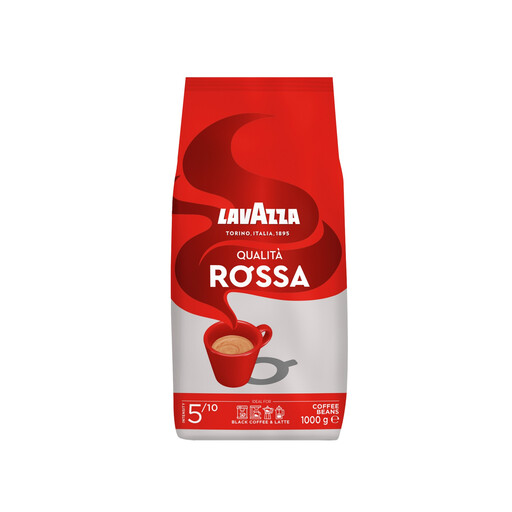
Lavazza Qualita Rossa Coffee Beans 1000g
For coffee with mixed train snacks, compare this blend's flavour description with what you enjoy. The 1000g pack makes the product's after-opening storage instructions worth checking if you brew infrequently; grind and brew the beans before boarding.
View on Joybuy
 No image available
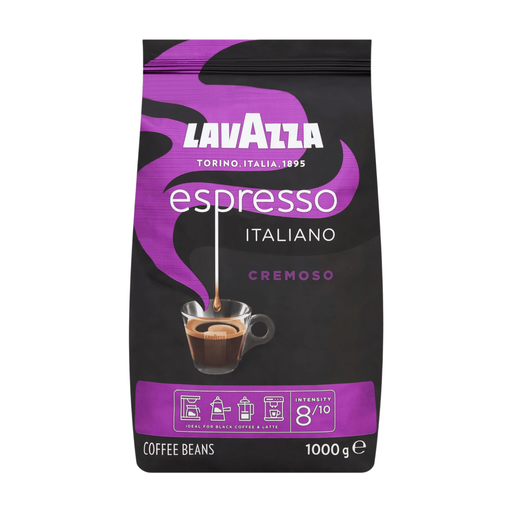
Espresso Italiano Cremoso Beans 1kg
If you are choosing coffee for milk drinks or richer food, check whether this blend's stated flavour and brewing guidance suit your preferences and equipment. It is a 1kg bag of beans, so plan how you will store it after opening and brew your drink before travel.
View on Joybuy
 No image available
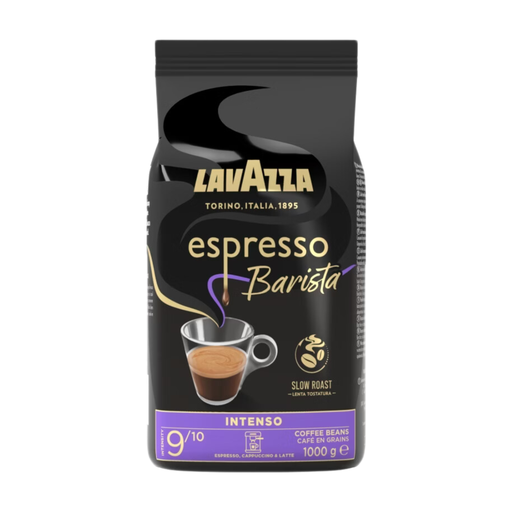
Lavazza Barista Intenso Beans 1kg
If you want coffee to accompany a substantial snack, compare this blend's stated notes with the flavour you prefer; the name alone does not establish caffeine content. Confirm compatibility with your brewer before choosing the 1kg bag, and prepare the coffee before boarding.
View on Joybuy
 No image available
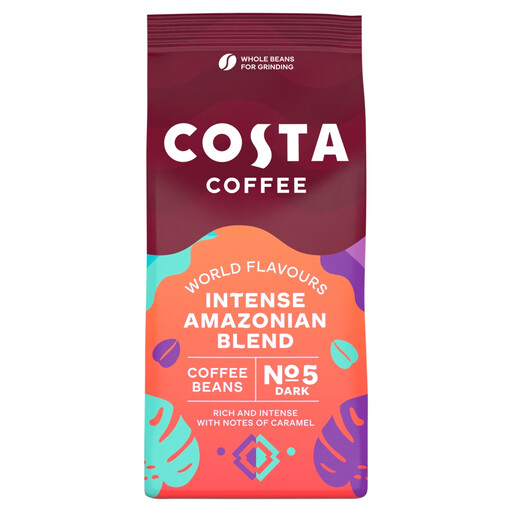
Costa Intensely Dark Amazonian Blend Coffee Beans 200g
Consider the named dark flavour direction if that is what you enjoy alongside richer food, rather than assuming it suits every snack. This 200g whole-bean pack still needs grinding and brewing; check its preparation advice against your equipment.
View on Joybuy
 No image available
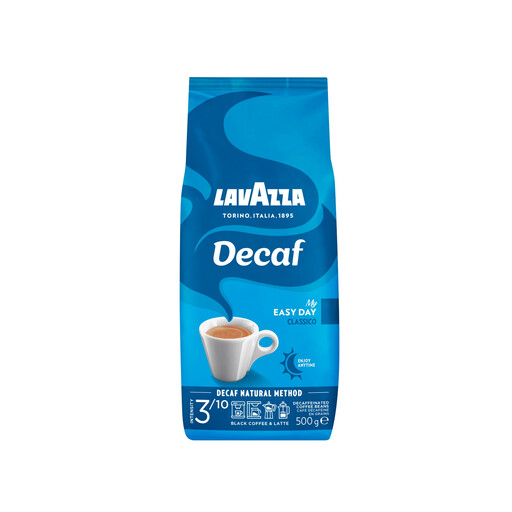
Lavazza Decaffeinated Coffee Beans 500g
Decaf is an option for a later journey or when you want to reduce caffeine while having coffee with food. These are 500g of whole beans: check suitability for your grinder and brewer, and check product-specific caffeine information if you need to track your intake closely. Do not treat decaf as caffeine-free.
View on Joybuy
Questions about coffee beans and train journeys
Can I bring coffee and food onto a train?
Yes. National Rail says passengers can bring their own food and drink on the train. Carry prepared hot coffee carefully to avoid spills.
Can I make coffee from whole beans during the journey?
Only if you have suitable grinding and brewing equipment available. Otherwise, choose beans that suit your equipment, make the coffee before boarding and carry the prepared drink carefully.
Should I choose an espresso-style or a brighter blend for snacks?
Choose by the flavours you enjoy and the food you expect: chocolate- or nut-led descriptions may appeal with milk or richer snacks, while fruit-led notes are a more deliberate choice for someone who likes a brighter coffee. The notes describe a flavour direction, not a guaranteed pairing.
How should I store an opened bag of beans?
Follow the instructions for the exact pack. M&S specifies an airtight container for its Collection Single Origin Colombian beans, with two weeks in the refrigerator or four weeks in the freezer; those periods should not be applied to other beans.
Does choosing decaf remove the need to consider caffeine?
No. Decaf is a way to reduce caffeine, not a reason to assume a drink is caffeine-free. During pregnancy, the NHS advises no more than 200mg of caffeine a day from all sources; check product-specific information if you need to monitor intake closely.


