Students brewing in a shared flat or halls
If you use a grinder, bean-to-cup machine or manual brewer, choose whole beans with preparation guidance that fits the equipment you already have.


For a regular coffee before a university lecture, start with a blend whose stated brewing methods match the equipment you use, then choose a roast and flavour profile you enjoy as a black coffee or with milk. Whole beans require a grinder or bean-to-cup machine; pack size and caffeine are separate checks, and a roast’s intensity number does not tell you how much caffeine is in your cup.
If you use a grinder, bean-to-cup machine or manual brewer, choose whole beans with preparation guidance that fits the equipment you already have.
For a mug or flask made before class, consider whether you prefer a lighter-tasting black coffee or the chocolate-led notes described for some medium and fuller-bodied blends.
If caffeine matters to your routine, consider coffee alongside other sources rather than using a roast or intensity label as a caffeine measurement.
Start with your brewer and grinder, then narrow the choice by flavour, the amount you will use after opening and any caffeine information you need.
| Priority | What to check | Your needs |
|---|---|---|
| Brewing method | Check that the beans are suitable for your brewer and that you can grind them appropriately. Waitrose & Partners gives fine, medium and coarse grind directions for espresso, filter and cafetière respectively on its Taylors of Harrogate listing. | I make coffee with equipment already in my accommodation, so I need beans I can prepare for that method. |
| Roast and flavour | Read the particular blend’s roast and flavour description rather than relying on its intensity number alone. Union Coffee describes its House Roast as medium roasted with chocolate and caramel notes; Lavazza describes Espresso Italiano Classico as light roasted with floral notes. | For a black coffee, I might prefer a lighter aromatic profile; with milk, I may prefer the stated chocolate or caramel notes. Taste remains a personal choice. |
| Pack size and storage | Compare the pack with how often you brew, and follow its own storage and use-after-opening directions. Waitrose & Partners advises using its Fairtrade French Style beans within two weeks of opening. | A smaller pack makes sense for my occasional solo cup; a larger one is easier to plan for if we regularly share the beans. |
| Caffeine | Check caffeine information where available for the coffee you prepare, and consider other caffeine sources. Roast intensity describes a flavour profile, not the caffeine in a serving. | If I am managing my caffeine intake, I need to consider my whole day’s drinks rather than judge a lunch-time cup by its roast label. |
Whole beans need grinding before use, and espresso, filter and cafetière preparation call for different grinds.
Check your grinder or bean-to-cup machine and the blend’s brewing directions before choosing its flavour profile.
Without a bean-to-cup machine, you may need a separate grinder.
An intensity label does not tell you the amount of caffeine in your prepared coffee.
If caffeine is an important consideration, check the product information and account for other sources during the day.
After opening, storage and use guidance varies by product. Waitrose & Partners advises using its Fairtrade French Style beans within two weeks.
Choose a pack size that fits your brewing frequency, and follow the instructions on that pack.
Product descriptions range from Lavazza’s floral Espresso Italiano Classico to Union Coffee’s chocolate-and-caramel House Roast; those descriptions point to different flavour directions, not a guaranteed result in your cup.
Use the stated notes to narrow your choice, then consider how you normally serve your coffee.
These references describe particular blends or ranges, not every coffee made by each brand.
Lavazza’s Espresso Italiano Classico is a whole-bean option described for espresso and moka preparation.
illy’s Classico whole beans are listed for moka, filter, espresso and lungo preparation.
Waitrose & Partners lists Taylors of Harrogate Rich Italian Beans as a medium-roast, 100% Arabica coffee.
Union describes House Roast as a medium-roast blend with chocolate and caramel notes.
M&S describes its Roast & Ritual house blend and offers beans among its take-home formats.
Waitrose & Partners lists Fairtrade French Style Coffee Beans as a 227 g, 100% Arabica whole-bean option.
These whole-bean options cover different pack sizes, including a decaffeinated choice. Match any candidate to your brewer and usual rate of use before buying.
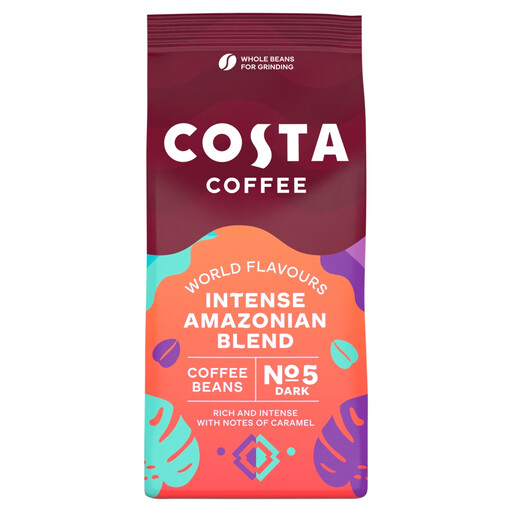 No image available
The 200 g pack is worth considering if you make coffee occasionally rather than working through a larger bag. Its title identifies an intensely dark blend; check the brewing directions and whether that flavour direction suits your usual cup.
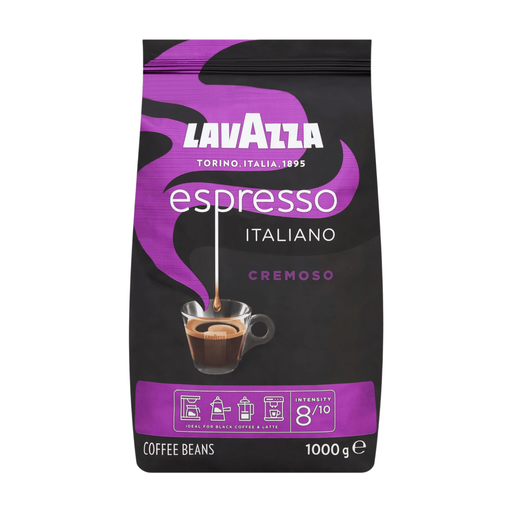 No image available
The 1 kg pack calls for a plan to store and use the beans, particularly if you brew alone only occasionally. Confirm the preparation directions for your equipment before choosing it for a lunch-time coffee.
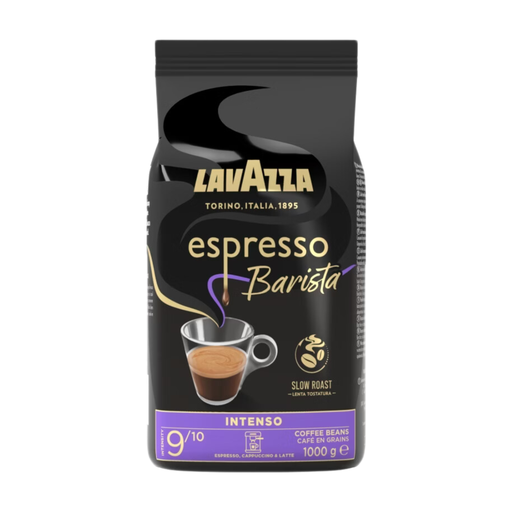 No image available
This 1 kg bag is easier to plan around if coffee is brewed regularly or the beans are shared. Check its stated brewing methods and storage directions against your equipment and routine; the word ‘Intenso’ is not a caffeine measurement.
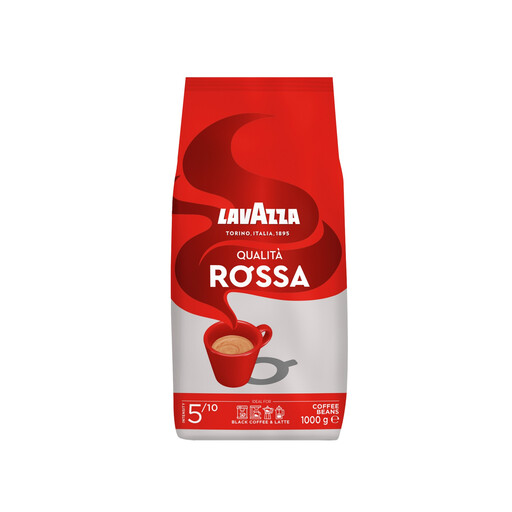 No image available
The 1000 g pack suits a routine in which you can use and store a larger quantity of whole beans. Check the pack’s grind and brewing guidance for your machine before making it your regular lunch-time coffee.
 No image available
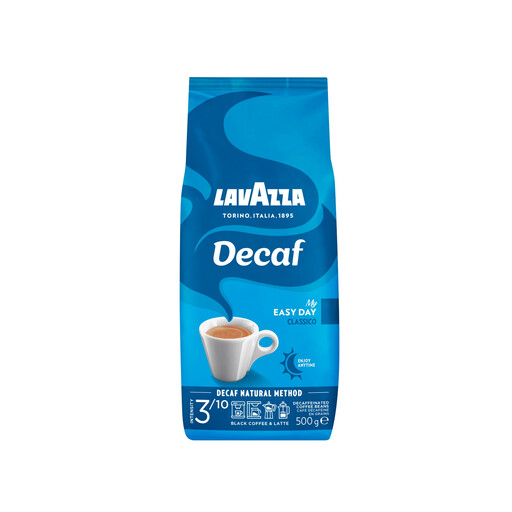
These decaffeinated whole beans offer a 500 g option for a coffee routine in which caffeine is a consideration. Check the pack for brewing suitability and caffeine information relevant to your needs; the title alone does not establish that this particular product is a blend.
Whole beans need grinding before brewing, either in a bean-to-cup machine or with a separate grinder. Match the grind to your method: Waitrose & Partners gives fine for espresso, medium for filter and coarse for cafetière on its Taylors of Harrogate listing.
Choose by the blend’s stated flavour and brewing suitability, not by the time of day alone. Union Coffee describes its medium-roast House Roast with chocolate and caramel notes, while Lavazza describes its light-roast Espresso Italiano Classico with floral notes; neither roast label tells you the caffeine in a prepared cup.
Follow the directions on the particular pack and choose a size you can use within its guidance. Waitrose & Partners advises using its Fairtrade French Style beans within two weeks of opening, so that instruction is worth considering if you brew only occasionally.
No. An intensity number describes the producer’s flavour positioning, not the caffeine in your prepared serving. Check relevant product information and consider other sources of caffeine during the day if the amount matters to you.