Shared flats with grinding equipment
If the kitchen has a grinder or bean-to-cup machine, plan a communal bean supply by weight and likely use, not by a count of ready-to-brew portions.


Choose whole beans for a student flat only if there is a grinder or bean-to-cup machine; a 240-count box of coffee bags is a different, ready-ground format. For quantity planning, Waitrose & Partners recommends 15g for a 250ml cafetière cup: at that rate, 1kg makes about 66 cups and 240 cups take about 3.6kg. Check how often the flat will make coffee before committing to that much; a kettle-only setup calls for coffee bags or another no-grinder format instead.
If the kitchen has a grinder or bean-to-cup machine, plan a communal bean supply by weight and likely use, not by a count of ready-to-brew portions.
Without grinding equipment, whole beans will not work as a direct kettle-only purchase. Coffee bags contain ground coffee in individual portions.
If housemates have not agreed on a roast or do not yet know how often they will brew, a smaller bean pack lets them try one choice before buying a larger supply.
Start with the equipment in the accommodation, then work out a useful quantity for the drinks and brewing method the flat will actually use.
| Priority | What to check | Your needs |
|---|---|---|
| Coffee format | Check for a grinder or bean-to-cup machine before choosing beans. For kettle-only preparation, look at coffee bags or another no-grinder format. | I need coffee the flat can prepare with the equipment it has. |
| Pack quantity | Estimate cups before choosing a weight. Waitrose & Partners recommends 15g per 250ml cafetière cup; that works out to about 66 cups per 1kg, or about 3.6kg for 240 such cups. | If several housemates will share the supply, I want enough for their likely use without treating 240 as a bean-pack count. |
| Brewing method | Check the brewer and the grind it needs. Waitrose & Partners advises a medium grind for filter coffee and a coarse grind for cafetière coffee. | Our shared coffee choice needs to work with the brewer we will use, even if housemates prefer different drinks. |
| Pack size | Compare smaller packs with 1kg bags against expected use. Joybuy's coffee guide notes that a large opened pack can lose aroma if stored for too long. | While the flat is working out its routine, I would rather try a smaller pack than open more coffee than we are likely to use. |
| Caffeinated or decaffeinated | Check whether everyone sharing the supply wants the same type of coffee. Union lists a decaffeinated blend as a separate choice. | Someone in the flat may prefer a decaffeinated option rather than the communal caffeinated beans. |
A 240-count case of individual coffee bags would not supply whole beans. Conversely, beans cannot be brewed directly in a kettle-only room.
Check whether the listing says whole beans or roast-and-ground coffee bags, then match that format to the equipment available.
At Waitrose & Partners' 15g recommendation for a 250ml cafetière cup, 240 cups would take about 3.6kg. That calculation may overstate what a newly formed flat will use soon.
Estimate weekly cups first. If the quantity still makes sense, consider several sealed packs rather than opening the entire supply at once.
Filter and cafetière preparation call for different grinds in Waitrose & Partners' brewing guidance. A shared bean purchase still needs a workable preparation method for the household.
Confirm which brewer and grinder will be in the accommodation; if preferences differ, try a smaller pack before committing to a large supply.
A whole-bean option in larger packs: Waitrose & Partners lists Lavazza Qualità Oro in a 1kg pack.
illy UK lists CLASSICO whole beans in a 250g pack, a smaller starting quantity than a 1kg bag.
Taylors appears in both whole-bean and coffee-bag listings, making the product format important to check.
Union lists House Roast in 200g and 1kg sizes with a whole-bean option.
M&S lists Italian Style Coffee Beans in a 454g pack, between the smaller trial packs and the 1kg options here.
Waitrose & Partners lists own-label whole beans in sizes including 227g and 750g.
These packs are whole-bean choices for a flat with grinding equipment. Compare their stated pack weights with likely shared use; they are not 240-count coffee-bag cases.
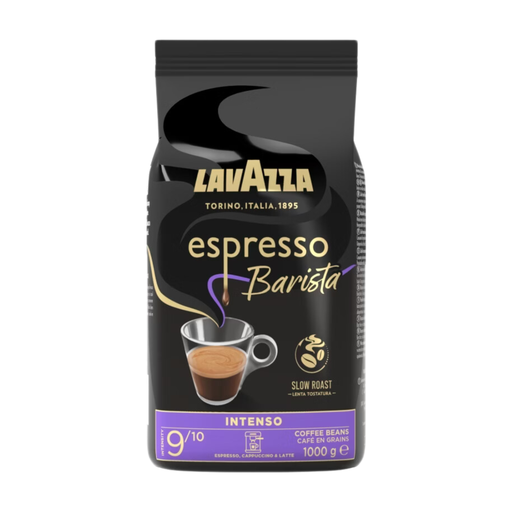 No image available
A 1kg whole-bean pack to consider if the flat will use beans regularly and has grinding equipment. For quantity planning, Waitrose & Partners' 15g-per-250ml-cafetière-cup guidance works out to about 66 cups per kilogram; check the pack configuration if separate sealed portions matter.
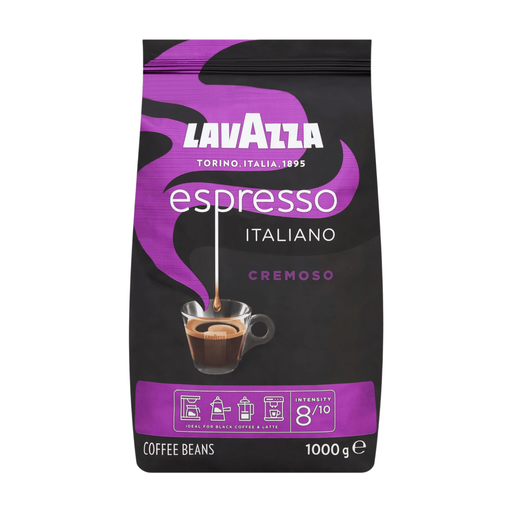 No image available
This 1kg bean pack fits a weight-based plan for a flat that can grind its coffee. Check the brewing equipment and pack configuration before ordering; a 1kg pack is not, by itself, a 240-cup supply.
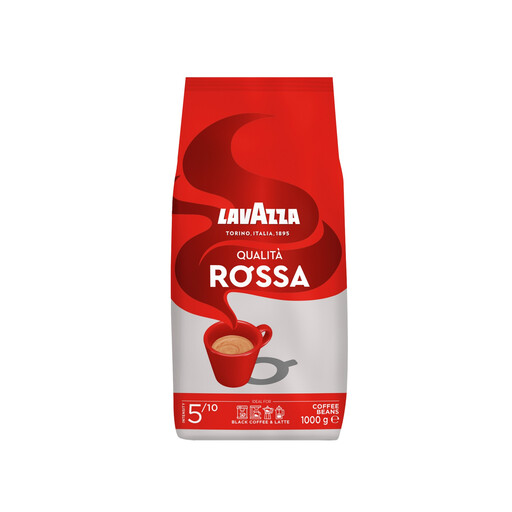 No image available
A 1000g whole-bean choice for shared use where grinding equipment is available. Plan the number of packs around expected cups rather than treating this weight as a count of individual servings.
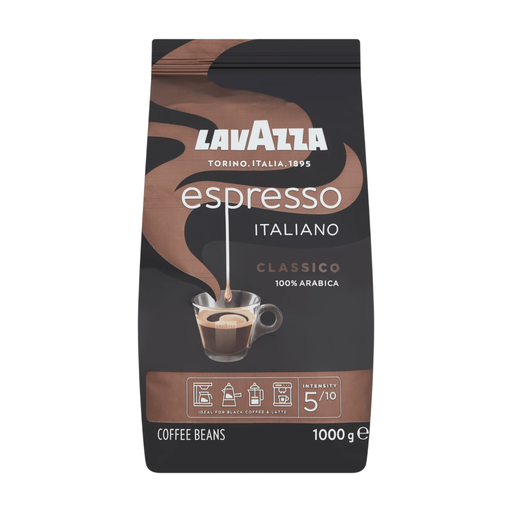 No image available
This 1kg whole-bean pack is an option for a flat planning regular use with a suitable grinder. Check that the intended brewing method and the pack configuration meet the household's needs before choosing a larger quantity.
 No image available
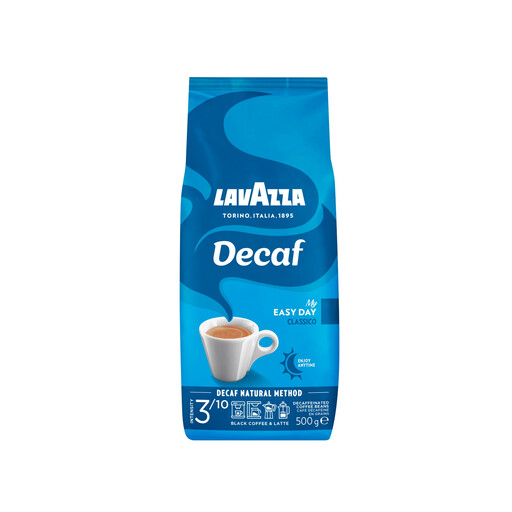
A 500g decaffeinated whole-bean option if the flat wants that choice alongside its regular coffee and can grind beans. Its smaller weight makes it a separate quantity decision, not a substitute for a planned 240-cup communal supply.
No. Whole beans need grinding before brewing. If the accommodation has no grinder or bean-to-cup machine, choose a no-grinder format such as coffee bags, which contain ground coffee.
About 3.6kg at Waitrose & Partners' recommendation of 15g per 250ml cafetière cup. Treat that as a planning calculation for that cup and method, not a fixed quantity for espresso, filter coffee or drinks of other sizes.
Buy for 240 cups only if the flat expects to use that amount. If demand is uncertain, start smaller and adjust later; Joybuy's coffee guide notes that a large pack can lose aroma when left open for too long.