Breakfast hosts with a grinder
Whole beans suit a household with a grinder or bean-to-cup machine and a suitable way to brew coffee. Check the beans’ stated brewing methods before choosing a flavour profile.


Choose whole beans if you have a grinder and compatible brewer and want to decide how to grind and brew your breakfast coffee. An instant-coffee jar needs less equipment and preparation; whichever format you choose, check the exact product’s brewing guidance and flavour description rather than relying on a roast name alone.
Your equipment and the time available while preparing breakfast are more useful starting points than whether a search result mentions a jar.
Whole beans suit a household with a grinder or bean-to-cup machine and a suitable way to brew coffee. Check the beans’ stated brewing methods before choosing a flavour profile.
An instant-coffee jar suits a routine where adding hot water is more practical than grinding and brewing beans, particularly while cooking or serving breakfast.
Decaf comes in different coffee formats. Check that the exact product is labelled decaffeinated, then choose beans or instant coffee according to the preparation equipment you use.
Choose when: You have a grinder and compatible brewer and can make time to prepare coffee alongside breakfast.
Trade-off: You can choose a grind for your brewing method, but the beans cannot be prepared like instant granules.
Choose when: A cup made with hot water fits your morning better than grinding and brewing.
Trade-off: Instant coffee needs less preparation, but it does not give you control over grind size or brewing method.
| Priority | What to check | Your needs |
|---|---|---|
| Preparation | Check whether the pack contains whole beans or soluble coffee. For beans, match the stated brewing method to your grinder and brewer. | I need a coffee I can prepare while cooking breakfast, using the equipment and time I actually have. |
| Flavour | Read the exact product’s roast information, flavour notes and any stated suitability for milk. Brand descriptions are a starting point, not a guarantee of taste. | If I drink coffee with milk, I want a flavour description that helps me narrow the choice without assuming every Italian-labelled roast tastes alike. |
| Decaf | Confirm that the exact pack says decaffeinated, then check whether it is beans or instant coffee. Decaf is not the same as caffeine-free. | I’m looking for a decaf version that also fits the way I make coffee in the morning. |
| Pack information | Read the current ingredients, allergen information, storage instructions and date marking on the pack or current listing. | Current label details matter to me, particularly when an allergy, dietary requirement or storage condition affects what I buy. |
Whole beans need grinding and brewing; instant granules are made to dissolve after hot water is added. The wrong format may not work with your planned breakfast routine.
Check whether the product is whole bean, ground coffee or instant coffee before ordering, then match it to your equipment.
Whole beans may also require a grinder and compatible brewer.
Flavour notes do not tell you whether beans suit your usual brewer. Union, for example, recommends cafetière or filter preparation for House Roast.
Check the stated brewing guidance first, then use the producer’s roast and flavour description to narrow your choice.
Product information can change, and the current label is particularly important when ingredients, allergens or storage instructions affect your purchase.
Read the current pack or listing before buying and follow the pack’s storage and date information after opening.
These ranges illustrate different ways to shop for beans or instant coffee; a brand description is not an independent taste comparison.
Lavazza UK presents whole beans for use with grinders and brewing equipment.
Illy offers whole-bean choices for people who want to grind coffee for their preferred preparation method.
Taylors describes its Rich Italian whole beans as rich and smooth.
Union gives brewing recommendations for House Roast whole beans, including cafetière and filter preparation.
M&S lists both whole coffee beans and instant coffee, so the two formats can be considered within the same retailer’s range.
Waitrose lists instant coffee, including a decaf option, alongside other coffee formats in its wider range.
These options include whole beans for a grinder-equipped breakfast routine, a decaf coffee choice and instant coffee for simpler preparation. Check each pack’s format before deciding which suits your morning.
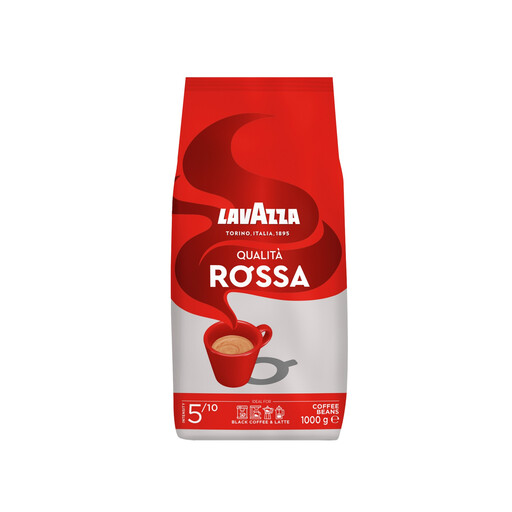 No image available
A whole-bean option if you have a grinder and compatible brewer for breakfast. It is not an instant coffee; check the current pack’s brewing guidance and label details before buying.
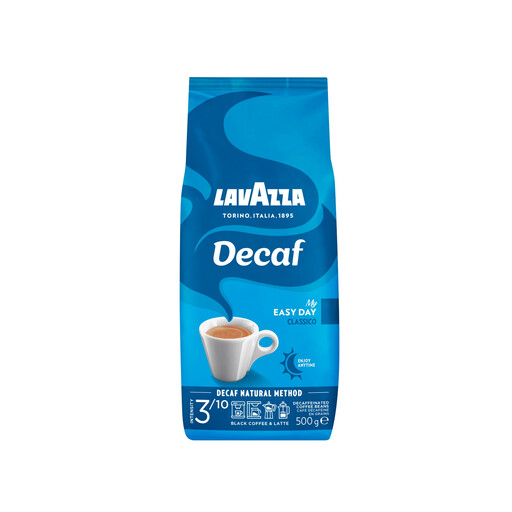 No image available
Decaffeinated whole beans for a breakfast routine that includes grinding and brewing. The pack is 500g; check its current label and brewing guidance, and do not assume decaf means caffeine-free.
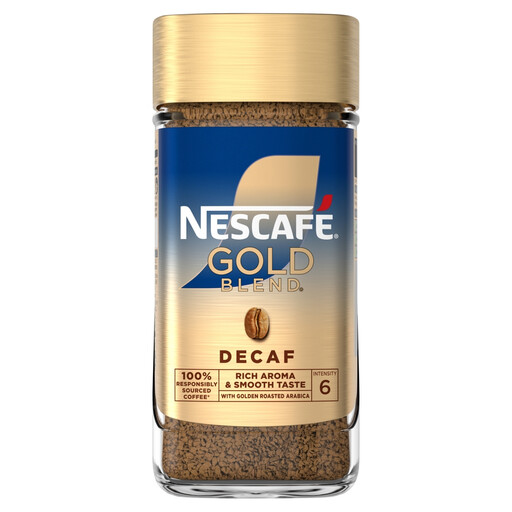 No image available
A 190g decaf coffee option to consider if caffeine is a factor in your breakfast choice. Check the current pack for its preparation instructions and to confirm that its format fits your routine; decaf does not mean caffeine-free.
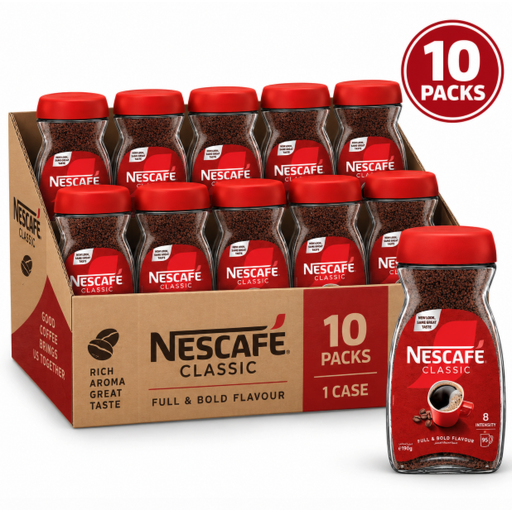 No image available
An instant-coffee option for breakfast without grinding or brewing beans. The stated bundle is a pack of 10 jars of 190g each; check that this quantity suits your household and read the current label if caffeine or ingredients matter to you.
Not necessarily. A jar may contain instant granules intended to dissolve in hot water, whereas whole beans need grinding and brewing. Check the product’s stated format rather than relying on the word ‘jar’ in a search result.
Instant coffee needs less equipment because it is prepared with hot water. Whole beans make sense when you have time to grind them and use a compatible brewer, such as a cafetière or espresso machine.
Start with the exact product’s stated milk suitability and flavour notes. Taylors describes chocolate and nut notes for Rich Italian, while Union describes chocolate and caramel notes for House Roast; these producer descriptions are guides to flavour, not guarantees of what you will taste.
No. Decaf should not be assumed caffeine-free. NHS guidance for pregnancy sets a limit of 200mg of caffeine a day from all sources, so the relevant consideration is total intake rather than the coffee label alone.
Check the current ingredients, allergen information, storage instructions and date marking for the exact coffee. The Food Standards Agency distinguishes best-before from use-by dates, and M&S advises reading the current label because product information can change.