For an everyday elevenses cup, start with the flavour you enjoy and the brewer you use: a medium blend with chocolate or caramel notes offers one familiar route, while a lighter, brighter blend suits a preference for fruit-led flavours. If you usually add milk, look for a product expressly recommended for milk drinks rather than relying on its intensity number. Check the recommended brewing method and choose a pack size you can use and store as directed after opening.
Who is each blend style for?
The way you brew and drink your mid-morning coffee gives you a more useful starting point than an intensity number alone.
Everyday elevenses drinkers
If you usually make coffee in a cafetière or filter brewer, a medium blend with chocolate or caramel notes is a starting point. Union recommends its medium-roast House Roast for both methods; check the preparation advice for any other beans you consider.
Milk-coffee drinkers
If elevenses means a latte, cappuccino or coffee with added milk, look for a blend whose maker specifically recommends it for milk drinks. Lavazza positions its Arabica-and-Robusta Crema e Aroma for milk recipes; that recommendation does not apply to every blend with the same bean types.
Flavour-exploring home brewers
If you prefer a brighter cup to a familiar chocolate-led profile, compare the roast and tasting notes before buying. Union describes its Bright Note blend as a light roast and explains that lighter roasts tend towards a brighter flavour.
What should you check before buying?
Start with your brewer, then narrow the options by flavour, how you take your coffee and how quickly you will use an opened pack.
| Priority |
What to check |
Your needs |
| Brewing method |
Check the product’s recommended brewer and whether you can grind the beans for it. Waitrose advises a coarse grind for cafetière, medium for filter and fine for stovetop or traditional espresso with its No.1 Italian Espresso beans. |
I make elevenses with a particular brewer, so I want beans and a grind that suit that method. |
| Flavour and roast |
Compare the stated roast and tasting notes rather than treating intensity as a common scale across brands. Union describes House Roast as medium with chocolate and caramel notes, and Bright Note as a lighter, brighter blend. |
Would I enjoy a familiar chocolate-led cup, or am I looking for something brighter? |
| Milk drinks |
Look for an explicit recommendation for milk drinks, alongside flavour notes that appeal to you. Lavazza describes Crema e Aroma as a medium-roast Arabica-and-Robusta blend with chocolate notes and positions it for milk recipes. |
When I add milk, I want to choose for that preparation rather than assume a higher intensity number will suit it. |
| Pack and storage |
Compare pack size with how often you make coffee and follow that pack’s instructions after opening. Marks & Spencer gives specific airtight-storage periods for its Italian Style beans; do not apply them to every product. |
I only make elevenses occasionally, so I would rather choose a quantity I can use while following its storage guidance. |
| Caffeine choice |
Choose an explicitly decaffeinated product if reducing caffeine is the aim; roast colour and intensity do not specify caffeine content. The NHS notes that coffee contributes to daily caffeine intake and advises a limit of 200mg a day during pregnancy. |
If I am keeping track of caffeine, I need to check the product and account for coffee alongside my other sources of caffeine. |
Common buying mistakes
-
Treating intensity numbers as a shared scale
An intensity label does not, on its own, tell you the caffeine content, flavour or suitability for milk. Lavazza uses intensity within its own range; it is not a like-for-like measure across brands.
Compare the particular beans’ roast, tasting notes, composition and brewing advice before using intensity as a secondary cue.
-
Buying a large bag without a storage plan
If you make coffee only occasionally, you may have an opened bag for longer than its product-specific storage guidance allows. Marks & Spencer, for example, gives post-opening instructions for its Italian Style beans.
Match the pack size to how often you brew and follow the instructions on the bag you buy.
-
Choosing beans before checking the brewer
Roasters may recommend different blends for different methods, and the grind also needs to suit the brewer. Union recommends its House Roast for cafetière and filter brewing.
Check the beans’ preparation advice and make sure you can grind them appropriately, or arrange to have them ground for your method.
-
Choosing for milk by intensity alone
A product’s stated use is more informative than assuming every darker or stronger-labelled coffee will give you the flavour you want with milk. Lavazza specifically positions Crema e Aroma for milk recipes.
Look for an explicit milk-drink recommendation and tasting notes that appeal to you.
Brand ranges worth comparing
These product lines offer different starting points for flavour and brewing; check the particular bag rather than treating a brand name as a single coffee style.
Lavazza
Lavazza UK lists whole beans across a range of roast profiles. Its Crema e Aroma is described as a medium-roast Arabica-and-Robusta blend with chocolate notes.
- Crema e Aroma has stated preparation advice for espresso and filtered coffee, giving you product-level cues to compare.
- Do not use Lavazza’s intensity labels as a cross-brand measure of caffeine or quality.
Illy
Illy UK distinguishes Classico, Intenso and Forte aromatic profiles in its coffee-bean range.
- The 250g Classico whole-bean product is described by Illy with caramel and chocolate notes for espresso.
- Check the pack and roast of the particular Illy product rather than applying Classico’s description to the whole range.
Taylors of Harrogate
Taylors whole-bean listings include Lazy Sunday, Rich Italian and decaffeinated options.
- The named variants give shoppers different products to compare for an everyday or decaffeinated elevenses.
- Check the selected variant’s label for its roast, flavour and brewing advice.
Union
Union presents House Roast and Bright Note as distinct blends for different flavour preferences.
- The roaster recommends medium-roast, chocolate-and-caramel House Roast for cafetière and filter brewing, while describing Bright Note as a lighter, brighter roast.
- Choose between those profiles according to your brewer and taste; the descriptions are the roaster’s own.
M&S
Marks & Spencer describes its Roast & Ritual house blend as 100% Fairtrade Arabica, with candied-nut and dried-fruit notes.
- Its Italian Style beans have product-specific instructions for airtight storage after opening.
- Check the current label for the particular blend and follow its own storage instructions.
Waitrose
Waitrose lists both own-label and branded whole beans. Its No.1 Italian Espresso contains 50% Arabica and 50% Robusta, according to its product ingredients.
- The No.1 Italian Espresso product page gives grind guidance for cafetière, filter, stovetop and traditional espresso preparation.
- That recipe and guidance describe one product, not every bean in the Waitrose range.
Whole-bean options for elevenses on Joybuy
These Joybuy whole-bean options span different pack sizes, named blends and a decaffeinated choice. Use the product label to settle flavour and brewing-method questions where those details matter to your elevenses routine.
 No image available
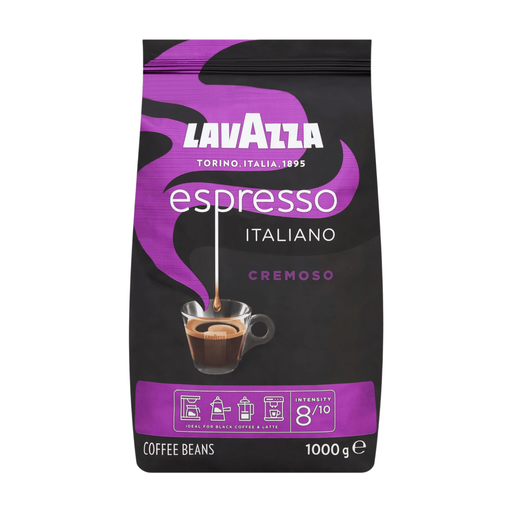
Espresso Italiano Cremoso Beans 1kg
If you make espresso-style or milk-added coffee at elevenses, check this product’s blend and brewing advice against your usual preparation. The 1kg pack also makes post-opening storage worth checking.
View on Joybuy
 No image available
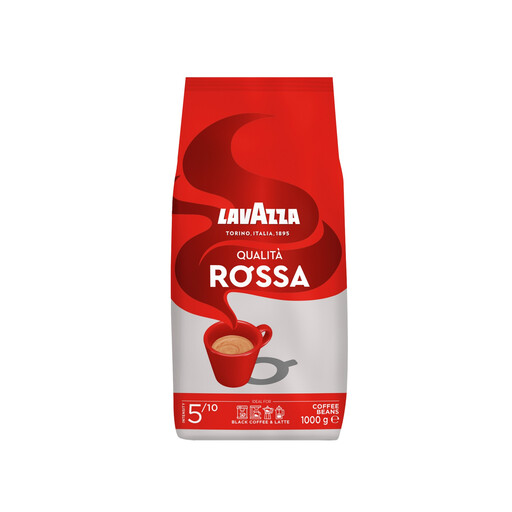
Lavazza Qualita Rossa Coffee Beans 1000g
For a regular elevenses brew, compare the flavour and preparation advice for this Qualita Rossa pack with your brewer and how you take coffee. At 1000g, it calls for a storage plan if you only brew occasionally.
View on Joybuy
 No image available
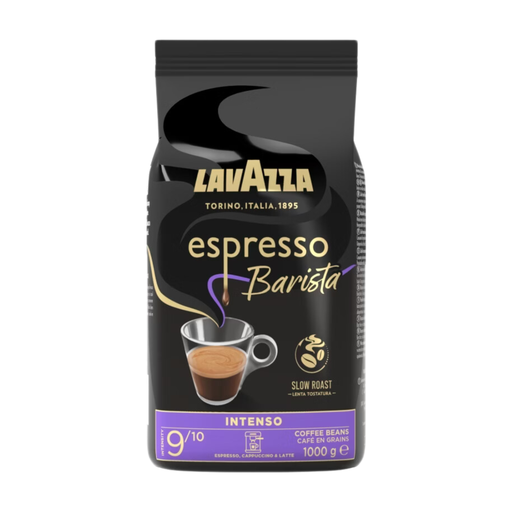
Lavazza Barista Intenso Beans 1kg
If you are considering Barista Intenso for your usual mid-morning coffee, check the pack’s flavour and brewer guidance rather than choosing by the name alone. Consider how quickly you would use a 1kg bag.
View on Joybuy
 No image available
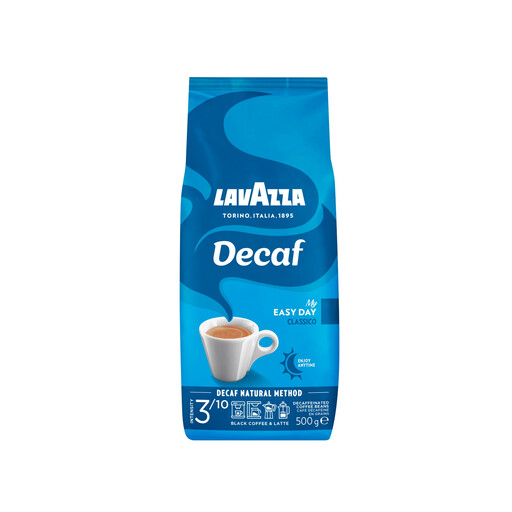
Lavazza Decaffeinated Coffee Beans 500g
These explicitly decaffeinated beans provide an option when you are reducing caffeine at elevenses. If you are managing a specific caffeine limit, check the product’s residual caffeine information; also confirm that its brewing advice suits your equipment.
View on Joybuy
 No image available
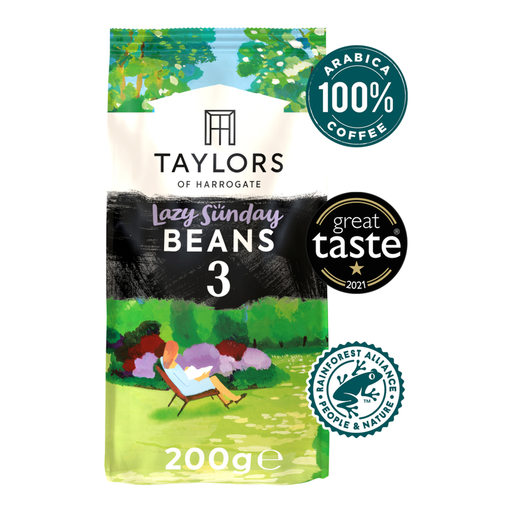
Taylors of Harrogate Lazy Sunday Coffee Beans 200g
The 200g pack is a smaller quantity to consider if you make elevenses less often than someone buying a 1kg bag. Check its roast, tasting notes and recommended brewing method before deciding whether it fits your cup.
View on Joybuy
Questions about elevenses coffee beans
Which blend is a starting point for elevenses?
If you like a familiar cup, start by comparing medium blends with chocolate or caramel notes and check that the brewing advice fits your equipment. Union describes its House Roast this way and recommends it for cafetière and filter brewing; its lighter Bright Note offers a brighter alternative if that flavour appeals to you.
Are Arabica-and-Robusta beans the right choice for coffee with milk?
Choose by the particular product’s stated use, not its bean composition alone. Lavazza positions its Arabica-and-Robusta Crema e Aroma for milk recipes, while Waitrose describes its 50% Arabica and 50% Robusta No.1 Italian Espresso as suitable black or with milk. Neither description establishes how every Arabica-and-Robusta blend will taste.
How finely should I grind beans for my brewer?
Match the grind to your brewer and follow its instructions. For its No.1 Italian Espresso beans, Waitrose advises a coarse grind for cafetière, medium for filter and fine for stovetop or traditional espresso. If you cannot grind whole beans yourself, check whether a retailer can grind them for your method.
How should I store beans after opening the bag?
Follow the instructions for the product you bought rather than applying one storage period to all beans. Marks & Spencer advises an airtight container for its Italian Style beans, with a stated period of two weeks in the refrigerator or four weeks in the freezer; check your own pack for its directions.


