
24/7 Customer Support

Free returns

Same-day & Next-day Delivery

Quality Guaranteed

Unlock Your Welcome Offers: FREE Delivery | Up to 80% OFF | Free 30-day JoyPlus trial
Download the APP
Buying coffee in the UK is rarely just a choice between two jars. Instant coffee, ground coffee, coffee bags and drip bag coffee each suit different routines, while roast labels and pack sizes can make products appear more similar than they are. The right choice depends on how you prepare it, how quickly you drink it and whether you prefer a straightforward black cup or a sweeter, creamier blend.
“Intense”, “rich” and “dark roast” can sound interchangeable, but these descriptions do not replace practical information about the format, ingredients or preparation method. A dark roast coffee may suit drinkers who prefer a deeper flavour, while a medium roast coffee can be more adaptable for regular drinking. Check the product description and ingredients rather than relying only on front-of-pack wording.
A large jar or coffee multipack may appear economical, but it may not suit your consumption pattern. Single-serve sachets are useful for offices, student accommodation and travel, whereas a 500g bag of ground coffee makes more sense for a household using a cafetière or moka pot regularly. Compare the number of servings, not just the net weight.
Pure coffee products typically list roasted coffee beans, ground coffee or soluble coffee as the main ingredient. A 3-in-1 coffee usually contains sugar and creamer, which changes the flavour and nutritional profile. For example, MA KOPIKO Brown Coffee lists sugar, non-dairy creamer and milk-derived ingredients. Always check allergen information, caffeine warnings and storage instructions, particularly when buying for a shared household.
Instant coffee is suitable when speed and minimal equipment matter. Freeze-dried or soluble coffee can usually be prepared with a teaspoon and hot water. Check the recommended serving size and whether the product is a pure coffee or a flavoured, sweetened or creamer-based blend.
Some products provide a lighter, smoother profile, while others are labelled dark roast or intense. L’OR Intense Coffee 150g, for example, lists roasted Colombian Arabica coffee beans and provides preparation instructions of one to two teaspoons with hot water.
Ground coffee requires a compatible brewing method, such as a cafetière, filter machine or moka pot. Grind size affects extraction: coffee ground for filter brewing may not perform as intended in an espresso machine. Look for the preparation guidance on the pack.
For households that drink coffee every day, a larger pack can reduce the need for frequent reordering. Lavazza Qualità Rossa Ground Coffee 500g contains an Arabica and Robusta blend and can be used with methods including a moka pot, filter or French press, according to the product information.
Coffee bags work like tea bags: place one in a cup, add hot water and allow it to brew. They are practical when you want ground coffee without measuring, filters or a separate machine.
Drip bag coffee uses a filter pouch that sits over the cup. It is more hands-on than instant coffee but still portable and relatively tidy. The Luckin Mandheling drip bag pack contains eight individually portioned 10g bags, with instructions to use hot water at approximately 90–95°C. This format can work well at an office desk or in accommodation with limited kitchen equipment.
Arabica coffee is often selected for its aromatic and layered flavour, while blends containing Robusta may offer a fuller or more pronounced cup. Neither choice is automatically suitable for every drinker. Check whether the product is 100% Arabica or a blend.
Also consider whether you add milk. A rich Italian coffee or dark roast coffee may retain more flavour in a milky drink, while a smoother medium roast can be easier to drink black. For caffeine-sensitive consumers, decaffeinated coffee may be more appropriate, although it is not necessarily completely caffeine-free. Read the product label for the relevant information.
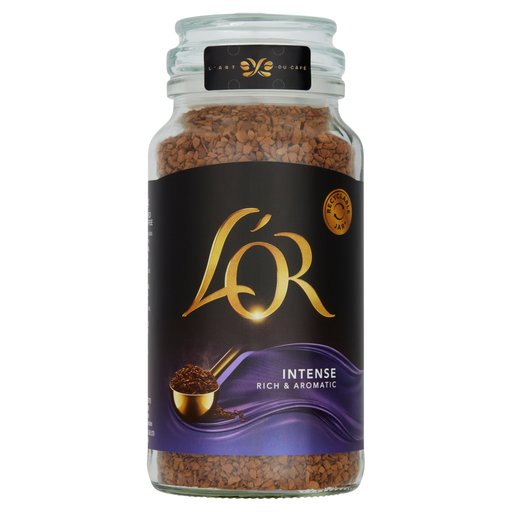
Why This Fits Their Persona: A compact instant coffee option for students, shared homes and anyone wanting a simple cup without buying brewing equipment.
The ingredients identify Colombian Arabica coffee beans, so shoppers can distinguish it from a sweetened 3-in-1 blend.
150g format; preparation requires one to two teaspoons and hot water.
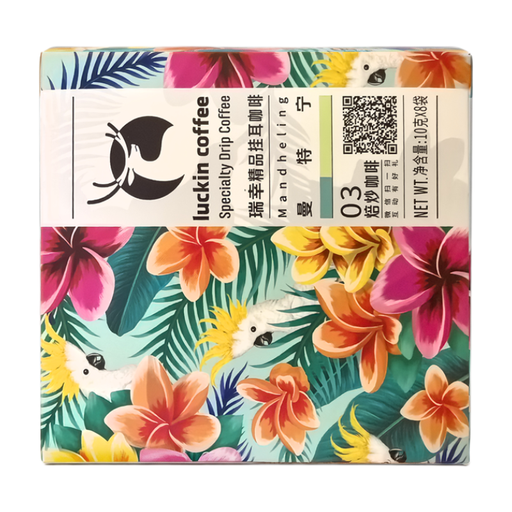
Why This Fits Their Persona: Suitable for drinkers who want a freshly brewed-style routine without carrying a grinder or filter machine.
Each bag is individually packed and contains 100% Arabica beans, making the portion and ingredient list clear.
Eight 10g bags; designed for brewing with 90–95°C water.
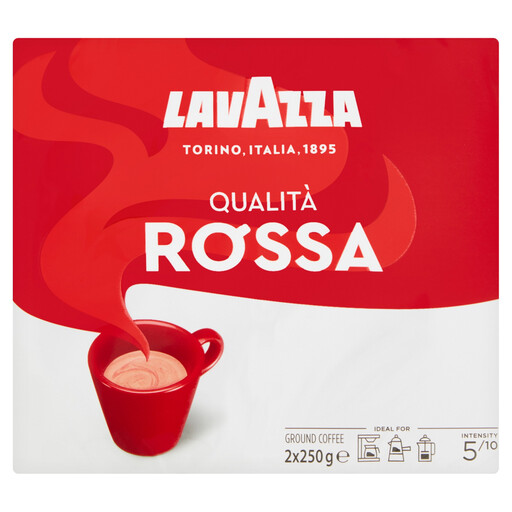
Why This Fits Their Persona: A larger ground coffee pack for households, frequent drinkers and people using a moka pot, filter or French press.
The 500g quantity is clear, and the product specifies an Arabica and Robusta blend rather than implying it is 100% Arabica.
Italian ground coffee; suitable for several manual brewing methods.

Why This Fits Their Persona: A practical choice for people seeking decaffeinated coffee for later-day routines or a shared kitchen.
The product is specifically labelled decaffeinated soluble coffee, reducing confusion with standard caffeinated instant coffee.
300g jar; soluble format requires no specialist equipment.
We have compiled a complete, real-time list of products that fully satisfy these strict selection criteria and UK safety regulations.
It depends on serving size, product price and equipment. Instant coffee has a lower equipment requirement, while ground coffee may offer a lower cost per cup when bought in a larger pack. Compare the net weight, suggested serving amount and expected number of cups.
Keep coffee in a cool, dry place away from moisture, heat and strong odours. Reseal jars and bags firmly. Ground coffee is particularly sensitive to air, so an airtight container can help preserve its aroma. Follow the storage directions printed on the packaging.
Yes. Individually wrapped coffee bags are easy to carry and only require a mug and hot water. They may be less suitable where you need to prepare many cups quickly, but they avoid the need for a grinder, scoop or separate filter.