
24/7 Customer Support

Free returns

Same-day & Next-day Delivery

Quality Guaranteed

Unlock Your Welcome Offers: FREE Delivery | Up to 80% OFF | Free 30-day JoyPlus trial
Download the APP
Coffee shopping can look straightforward until you compare roast strengths, brewing methods, pack sizes and caffeine information. A jar of instant coffee may suit a busy office, while ground coffee could be more economical for regular cafetière use. Drip bag coffee offers a middle ground, providing a brewed-style cup without requiring a separate filter machine.
The main challenge is separating useful product information from vague marketing language. Before adding a product to your basket, check the following common pitfalls.
A dark roast coffee often tastes more intense, but roast strength does not automatically indicate how much caffeine each cup contains. Caffeine levels can vary according to the beans, serving size and brewing method. If caffeine matters to you, check the packaging rather than relying on descriptions such as “strong” or “intense”.
Ground coffee is not interchangeable across every brewing method. A grind designed for a cafetière may be too coarse for some filter machines, while a very fine grind can produce a bitter or cloudy cup in a cafetière. Always check whether the product is intended for filter coffee, cafetière coffee, espresso or another brewing system.
A low shelf price may not represent good value if the pack contains fewer servings than expected. Compare the net weight and portion count, particularly when choosing a coffee multipack. Once opened, coffee can gradually lose aroma, so smaller packs or individually sealed drip bags may be more practical for occasional drinkers, travel or office storage.
Ground coffee is suitable for cafetières, filter machines and some manual brewing equipment, provided the grind matches the method. Look for the intended preparation method on the label and consider how quickly you will use a 200g or 250g pack after opening.
A blend containing 100% Arabica coffee may offer a different flavour profile from a blend containing Robusta. Arabica is often associated with gentler acidity and more varied aroma, although the final taste also depends on origin, roast and preparation.
Instant coffee is convenient for home, work and shared kitchens. Freeze-dried instant coffee is made to dissolve in hot water, while flavoured or creamed varieties can contain milk ingredients, sweeteners or added fats. Always review the ingredients and allergen declaration, especially for products containing milk, wheat, barley or sulphites.
Portion sachets can reduce waste and simplify preparation. For example, a 20-pack of 22g servings is easy to store and prepare with the recommended quantity of hot water.
Drip bag coffee uses a pre-portioned filter that hangs over a cup. It is useful when you want a brewed cup without carrying a cafetière or coffee machine. Check the bag weight, recommended water volume and water temperature. The supplied instructions may recommend water at approximately 90–95°C, while some products specify a volume such as 150ml.
Individual packaging helps protect unused portions from air and moisture. It also makes this format suitable for commuting, university accommodation, holidays or keeping a few bags in an office drawer.
Decaffeinated coffee is available as instant coffee, ground coffee and coffee beans. “Decaffeinated” does not necessarily mean completely caffeine-free, so check the product packaging if you need to limit caffeine carefully. Options such as decaffeinated Arabica beans can be useful for people who prefer grinding coffee immediately before brewing.
Nespresso-compatible coffee capsules are designed for machines using the relevant capsule format, but compatibility should always be confirmed before purchase. A capsule multipack can be convenient for households with regular machine use, while whole coffee beans are more suitable if you own a grinder and want to adjust the grind yourself.
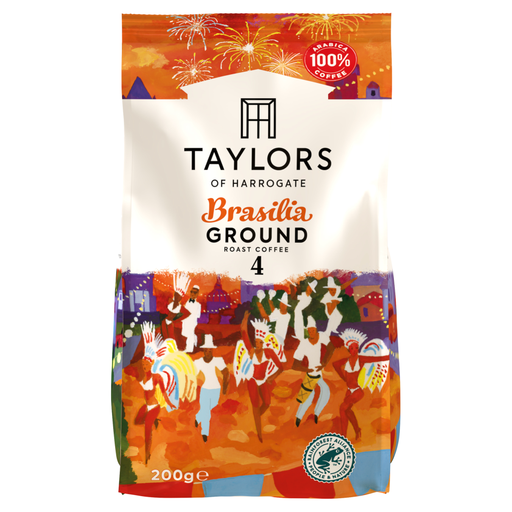
Why This Fits Their Persona: A practical starting point for UK households that already own a cafetière or filter brewer and want a moderate-sized everyday pack.
The product is identified as ground coffee, with a 200g net quantity and medium roast description, making the format and size clear before purchase.
100% Arabica coffee; described with walnut and chocolate notes; suitable for a familiar manual brewing routine.
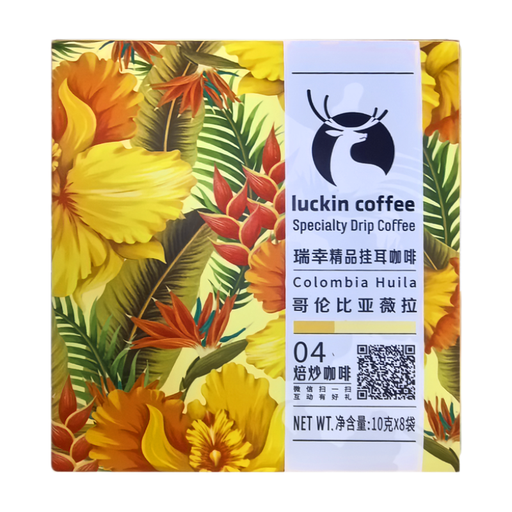
Why This Fits Their Persona: Suitable for shoppers who value origin information and a freshly brewed style without buying a grinder or full filter setup.
Each bag contains 10g and the pack contains eight individually packaged portions, so the serving format is stated rather than implied.
100% Arabica beans from Colombia’s Huila region; drip-bag design; instructions specify hot water at approximately 90–95°C.

Why This Fits Their Persona: A larger instant coffee jar for households or workplaces that want a decaffeinated option available throughout the day.
The product is clearly labelled decaffeinated soluble coffee and lists a 300g net quantity, helping shoppers compare format and supply.
Instant preparation; 300g jar; ingredients list identifies decaffeinated soluble coffee and no declarable allergens.
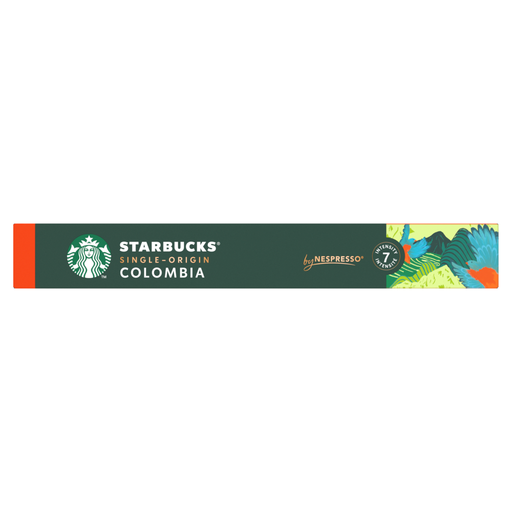
Why This Fits Their Persona: Designed for people who use a compatible capsule machine at home or in a shared kitchen and prefer consistent portioning.
The listing states that the capsules are Nespresso-compatible, but shoppers should still confirm their machine format before ordering.
12 aluminium capsules; Colombian-origin Arabica coffee; medium roast with stated nutty notes.
We have compiled a complete, real-time list of products that fully satisfy these strict selection criteria and UK safety regulations.
It can be, particularly when purchased in larger packs and brewed with a cafetière or filter machine. However, the actual cost depends on serving size, equipment and coffee waste. Capsules offer measured portions and quick preparation, while ground coffee may provide more flexibility.
The exact period varies by product and storage conditions. Many packs recommend sealing coffee carefully and using it within a few weeks for better aroma. Individually wrapped drip bags can be easier to store because each portion remains sealed until needed.
Instant coffee is simple for shared kitchens because it requires only hot water. Drip bag coffee is useful where drinkers want a brewed-style cup without communal equipment. A coffee multipack can also make it easier to offer different formats, including decaffeinated coffee, to suit varied preferences.