New parents who want a quick cup at home
Instant coffee dissolves in water without a grinder or brewer, making it a practical choice when there is little time to prepare coffee or clean equipment.


Choose an instant-coffee jar if you want a cup made with hot water and no brewing equipment; consider a decaffeinated version when reducing caffeine matters. Beans and ground coffee give you more control over brewing but take equipment and preparation time. If you are pregnant, NHS guidance says to have no more than 200mg of caffeine a day from all sources.
Instant coffee dissolves in water without a grinder or brewer, making it a practical choice when there is little time to prepare coffee or clean equipment.
A decaffeinated product may fit a caffeine-reduction plan, but the label alone does not establish your total intake. NHS pregnancy guidance says to have no more than 200mg of caffeine a day and estimates 100mg in a cup of instant coffee.
Beans and ground coffee suit people who want to control how they brew and can make time for the equipment and preparation involved. Ground coffee is not interchangeable with soluble instant coffee.
Start with the preparation you will realistically use, then compare caffeine information and the directions on the particular pack.
| Priority | What to check | Your needs |
|---|---|---|
| Preparation | Check whether the product is soluble instant coffee, ground coffee or whole beans. Read the preparation directions; ground coffee needs brewing, and whole beans also need grinding. | When time is tight, I want to make coffee with water rather than set up and clean a brewer. |
| Caffeine | Check whether the exact product is decaffeinated and read any product-specific caffeine and serving information. For pregnancy, the NHS advises no more than 200mg of caffeine a day from all sources and estimates 100mg per cup of instant coffee. | I want to account for caffeine from coffee and other foods and drinks, rather than assuming a decaf label settles the question. |
| Flavour and control | Compare the stated roast and flavour description within the format you intend to make. Beans and ground coffee require a suitable brewing method; instant coffee dissolves without one. | Would I rather have a cup ready quickly, or spend time adjusting a brewed coffee? |
| Pack and storage | Check pack weight, any stated number of servings and the preparation amount per cup. Follow the physical pack’s storage and best-before directions. | I want a pack size that suits how often our household makes coffee and storage instructions I can follow. |
Instant coffee dissolves in water, whereas ground coffee needs brewing and whole beans need grinding first. Buying beans for an equipment-free routine adds preparation steps.
Choose the format before comparing products, and check the pack rather than relying on a search term such as ‘coffee beans jar’.
A decaf designation does not by itself give a product-specific caffeine amount or account for caffeine from other foods and drinks. NHS pregnancy guidance concerns total daily caffeine intake.
Read the product and serving information if you need to track caffeine. Seek individual clinical advice when a medical circumstance affects your choice.
Product descriptions may differ from the pack in hand or change over time. This matters when ingredients, allergens or storage directions affect your decision.
Check the physical label before purchase or consumption if you have an allergy, intolerance or other dietary restriction.
These examples show how instant and brewed-coffee ranges differ; a brand’s inclusion here does not make every product in its range an instant coffee.
Lavazza explains instant coffee as a soluble format made from coffee beans. Its UK coffee range also covers beans, ground coffee, capsules and pods.
illy lists Classico, Intenso and Decaffeinato instant coffees in 95g tins on its UK site.
Taylors sells coffee for brewing and says it does not make instant products.
Union focuses on coffee for brewing. Its 200g House Roast is offered as whole beans or ground for methods including cafetière, filter and espresso.
M&S lists regular and decaffeinated instant coffees, including Rich and Smooth freeze-dried instant coffee in a 100g pack.
Waitrose lists regular and decaffeinated instant coffee. Its Decaf Gold Roast is a 100g Fairtrade decaffeinated instant coffee in a glass jar.
These instant coffees include decaffeinated options and products for a quick home cup. Check the exact pack when caffeine information, preparation directions or pack weight affects your choice.
 No image available
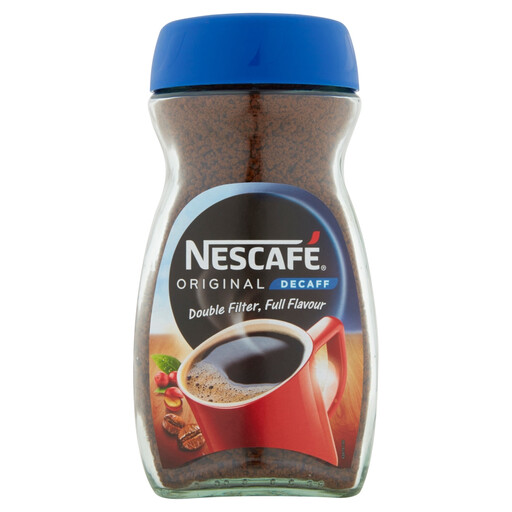
This decaffeinated soluble coffee suits a household looking for an instant format. It comes in a 300g jar, with cool, dry storage stated for the product. Check the pack’s serving and caffeine information if you need to track intake.
 No image available
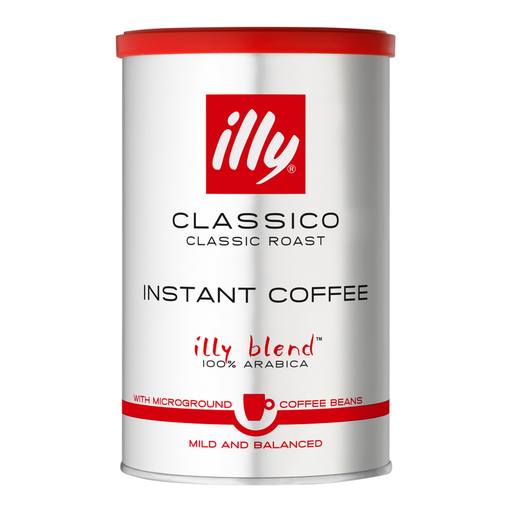
This 200g jar contains decaffeinated soluble coffee for an instant-coffee routine. Its listing says to store it in a cool, dry place. Check the pack’s serving and caffeine information if you need to track intake.
 No image available
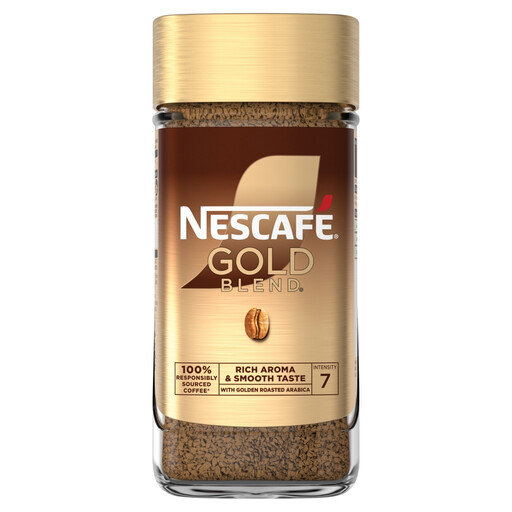
This 95g instant coffee is described with a medium roast and caramel, orange blossom and jasmine notes. Check the physical pack for its caffeine status and after-opening storage directions before relying on either detail.
 No image available
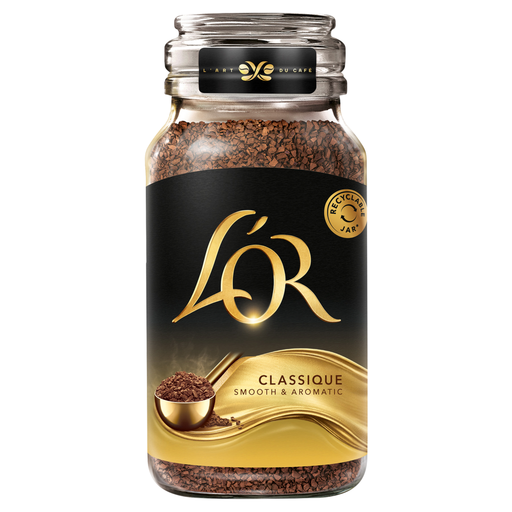
This instant coffee has stated directions of 1 to 2 teaspoons followed by hot water, and its description specifies 3% roast and ground coffee. The title says 190g but the description says 200g, so check the pack weight before choosing a size. Check its caffeine information if you need to track intake.
 No image available
This 150g instant coffee is described as using Colombian Arabica. Check the pack’s directions if you intend to make a hot cup, and check its caffeine information if reduction or tracking matters to you.
No. Instant coffee is a soluble product made from coffee beans, while whole beans and ground coffee need brewing. Ground coffee will not dissolve in water like instant granules.
A decaffeinated jar is an option if you want to reduce caffeine, but you still need to consider your total intake. NHS pregnancy guidance says to have no more than 200mg of caffeine a day and estimates 100mg in a cup of instant coffee; caffeine from other foods and drinks counts too.
Consider caffeine from all the foods and drinks you consume, not just coffee. Two NHS breastfeeding pages give different daily figures: one recommends no more than 200mg, while another says to try not to have more than 300mg and estimates 100mg in a mug of instant coffee. Ask your maternity team, GP or health visitor for advice about your circumstances rather than treating either figure as a personalised allowance.
No coffee-brewing equipment is needed for soluble instant coffee. Whole beans need grinding and brewing; ground coffee also needs a suitable brewing method.
Follow the directions on the physical pack. Waitrose’s Decaf Gold Roast and M&S’s Rich and Smooth listings both specify cool, dry storage, but check the label of the jar you buy for its own storage and best-before instructions.