Older adults who want a simple coffee routine
An instant jar avoids the grinding and brewing equipment needed for beans. Marks & Spencer describes its Gold Decaf Instant Coffee as a kettle-preparation option.


Choose a decaffeinated instant-coffee jar if the main need is a drink made with a kettle and cup; choose decaf beans or ground coffee if the person or carer can manage the required brewing equipment. NHS Tayside advises that caffeine can worsen frequency, urgency and incontinence, but decaf is not necessarily caffeine-free. If the concern is poor appetite or unintentional weight loss, coffee is not a substitute for discussing nutrition with a GP.
An instant jar avoids the grinding and brewing equipment needed for beans. Marks & Spencer describes its Gold Decaf Instant Coffee as a kettle-preparation option.
If an older person has frequency, urgency or incontinence, the coffee’s caffeine content is worth checking. NHS Tayside advises that caffeine can worsen these symptoms; whether a change is appropriate depends on the individual.
For someone eating or drinking less, the nutrition concern comes before the coffee format. The NHS identifies unintentional weight loss as a sign of possible malnutrition and says people aged 65 and over are particularly at risk.
Decide who will prepare the drink and what equipment they can use, then check caffeine information and any individual dietary requirements on the exact pack.
| Priority | What to check | Your needs |
|---|---|---|
| Preparation | Check whether the product is instant, ground or whole bean. Beans need grinding or a bean-to-cup machine; ground coffee still needs a suitable brewer. | I want a drink that can be made with a kettle and cup, without operating or cleaning coffee equipment. |
| Caffeine | Check the decaffeinated designation and any caffeine statement for the exact product. Decaf does not mean zero caffeine: Waitrose lists illy Decaffeinato Instant Coffee as containing less than 0.1% caffeine. | Frequency or urgency is a concern, so I want to consider caffeine intake alongside the person’s own healthcare advice. NHS Tayside says caffeine can worsen these symptoms. |
| Nutrition | Check the ingredients and nutrition information for the drink as prepared, particularly if milk or other additions are used. If there is unintentional weight loss or reduced interest in food or drink, discuss the wider concern with a GP. | I’m shopping for someone with a poor appetite, and a coffee purchase must not stand in for assessing their nutrition needs. |
| Pack and routine | Check the jar size, preparation directions and storage instructions on the pack. Compare sizes with how often the household makes coffee. | A carer may be making the drinks, so I want a format and pack size that fit their routine. |
Coffee choice does not resolve suspected malnutrition. The NHS identifies unintentional weight loss as a warning sign, particularly relevant for people aged 65 and over.
If someone is losing weight without intending to or is eating or drinking less, discuss those changes with a GP rather than relying on a coffee purchase.
An instant jar can be just as relevant to a caffeine decision as beans. NHS Tayside advises that caffeine can worsen frequency, urgency and incontinence.
Check whether the exact coffee is decaffeinated and consider the person’s symptoms and healthcare advice.
Decaffeinated products can retain caffeine. Waitrose states that illy Decaffeinato Instant Coffee contains less than 0.1% caffeine.
Read the exact pack’s caffeine information if a strict limit matters for the person.
Whole beans need grinding and brewing. Lavazza UK describes grinding whole beans on demand, while Union recommends an espresso or bean-to-cup method for its Decaf Blend.
Check that someone can use and maintain the equipment before choosing beans; otherwise, compare instant jars.
A grinder or brewer also adds equipment handling and cleaning to the daily routine.
These brands illustrate different decaf formats; a brand’s presence here does not mean every format is represented in the Joybuy products below.
An instant-coffee reference for shoppers comparing smaller decaf jars.
An instant-jar reference for a kettle-and-cup routine.
An own-label decaf instant-jar reference.
A decaf coffee reference for households equipped to brew beans or grounds.
A reference when comparing decaf beans or ground coffee rather than a kettle-only jar.
A decaf bean-and-ground-coffee reference for an existing brewing setup.
These decaf coffee options are relevant when considering a simple kettle-and-cup routine. Check each pack’s preparation directions and caffeine information against the older person’s needs; the products below are not nutrition treatments.
 No image available
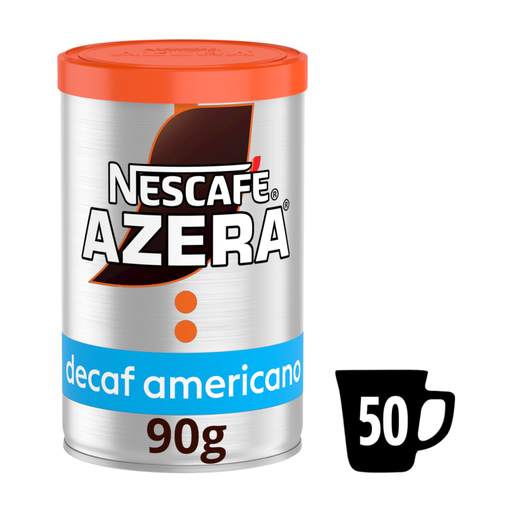
Consider this 90g decaf coffee for a kettle-and-cup routine, and check its preparation directions on the pack. If caffeine intake matters, check the product’s caffeine information rather than assuming decaf means caffeine-free.
 No image available
This 300g decaf coffee is an option to compare for a regular household routine. Check its preparation and storage directions, and read the caffeine information if the person needs to limit caffeine.
 No image available
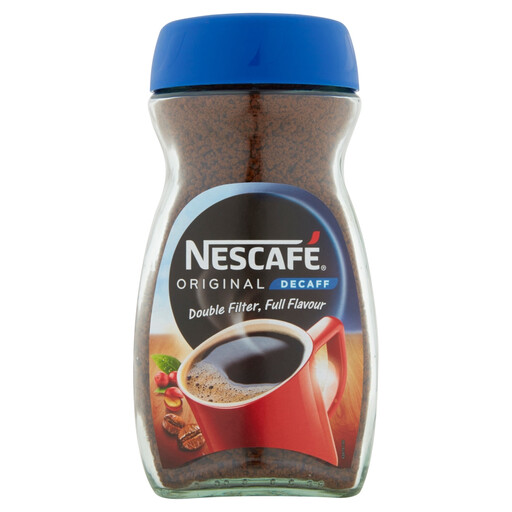
For a simple coffee routine, compare this 200g decaf variant’s pack directions with the equipment available at home. Check the caffeine statement if a strict limit is relevant; decaf is not necessarily caffeine-free.
 No image available
This 190g decaf coffee is relevant to a hot-water preparation routine. Check the exact preparation instructions and caffeine information on the pack before choosing it for someone with particular caffeine concerns.
 No image available
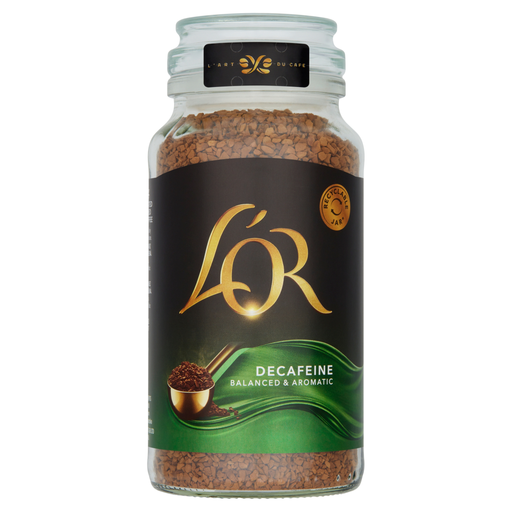
Compare this 150g decaf coffee with the household’s usual preparation routine and preferred pack size. Read its caffeine information if a strict limit matters, and do not treat the drink as a response to poor appetite or weight loss.
It can be when minimal preparation matters: instant coffee can be made with hot water, while whole beans need grinding and a suitable brewing method. The choice depends on who makes the drink and what equipment they can use; neither format is a substitute for nutrition support.
Consider decaf if caffeine appears to worsen the person’s frequency, urgency or incontinence. NHS Tayside advises that caffeine can aggravate these symptoms, but the decision should reflect the individual’s symptoms and healthcare advice rather than age alone.
Not necessarily. Waitrose states that illy Decaffeinato Instant Coffee contains less than 0.1% caffeine; check the exact product’s label when its caffeine content matters.
No coffee format replaces assessment of those concerns. The NHS identifies unintentional weight loss as a sign of possible malnutrition, so discuss unexplained weight loss or reduced eating and drinking with a GP rather than relying on a change of coffee.