Desk-to-kitchen frappe maker
You make one iced coffee during the working day and want to carry the cup back to your desk. Look for an explicit ice-use claim for the exact model, as well as a charging routine that fits your working day.


Choose a cordless portable blender for a single coffee frappe that needs to travel from the office kitchen to your desk, provided the exact model’s instructions permit your intended use of ice. An insulated portable model suits a drink you will consume later, while a plug-in model is worth considering if you regularly blend substantial ice and have permission, a suitable socket and somewhere to store it. In a shared kitchen, allow for prompt cleaning and check where blending is permitted.
You make one iced coffee during the working day and want to carry the cup back to your desk. Look for an explicit ice-use claim for the exact model, as well as a charging routine that fits your working day.
You may blend before a meeting or commute and drink your frappe later. An insulated cup and a suitable drinking lid matter to you, even if the blender is heavier to carry.
You prepare drinks around colleagues or use a communal sink. Parts you can wash thoroughly, prompt clean-up and arrangements for colleagues with food allergies matter more to you than a larger cup.
For a coffee frappe in a shared office, decide where you can blend and whether you need to carry the finished drink before comparing cup and cleaning features.
Choose it when: You make one drink at a time and do not want to rely on an office kitchen socket.
Allow for: Recharging and the model’s limits on ice and fill level; a stated ice capability does not establish how its frappe texture compares with another model.
Choose it when: You may blend before a meeting or journey and want the drink to remain cold until you can have it.
Allow for: More to carry. nutribullet describes its Flip cup as keeping contents cold for up to 24 hours, but that is a manufacturer claim rather than a promise for every drink or setting.
Choose it when: You frequently use substantial ice and your office permits a mains blender, with a suitable place to operate and store it.
Allow for: Less flexibility away from a socket. Electrical Safety First identifies blenders rated at 800W and above as better suited to tougher ingredients such as ice; that general guidance does not compare the finished drinks from these models.
| Concern | What to check | Who this matters to |
|---|---|---|
| Ice and frozen ingredients | Check the exact model’s stated ice capability and its instructions for ice quantity and maximum fill. | If ice is central to my frappe, I need a blender intended to process the amount I plan to use, not just one described as portable. Around 39% of consumers put ice handling first. |
| Cleaning and shared use | Check how the cup, lid and blade area come apart and which parts the manufacturer permits you to wash in a dishwasher. | When I use the communal kitchen, I want to remove drink residue promptly and avoid allergen cross-contact with colleagues’ food. Cleaning is the primary concern for roughly 38% of consumers. |
| Carrying and charging | Compare the usable fill level, carrying weight, lid design and charging instructions; consider insulation if you will drink later. | If I take my frappe to a desk or delay drinking it, carrying the cup and keeping the blender ready matter most. About 23% of consumers prioritise that convenience. |
A portable design does not establish that the exact model is intended for ice or frozen ingredients. Using it beyond its instructions may also leave you with a drink unlike the one you planned.
Check the model and variant’s ice-use instructions, including permitted quantities and fill level, before choosing it for a frappe.
Coffee and other drink ingredients can leave residue around the lid and blade area. In a shared kitchen, cleaning also matters when colleagues need to avoid particular food allergens.
Choose parts you can clean thoroughly, wash them promptly as the manufacturer directs and follow any workplace arrangement for dedicated equipment.
A battery-powered blender still needs an appropriate charging routine, which may matter if it is kept away from the kitchen between drinks.
Check the model’s stated blends per charge and charging instructions. Follow its guidance on drying the appliance before charging; BlendJet’s user guide specifically warns against charging a wet unit.
Electrical Safety First records a recall concerning manufacturing defects in affected BlendJet 2 units. That record alone does not establish the status of a particular unit offered for sale today.
Check current recall information against the exact model and unit, especially before using older stock or a second-hand appliance.
The Ninja Blast BC151UK is a cordless option to examine if ice and frozen ingredients are part of your office frappe.
Its Portable, Flex and Flip models address different carrying and cleaning preferences: Flex has a detachable cup, while Flip pairs blending with an insulated cup.
BlendJet 2 is a compact USB-C portable option for a single drink when prompt cleaning fits your routine.
These personal blenders cover portable cups for taking a frappe from kitchen to desk and a mains-powered option for an office where plug-in use is permitted. Choose by your intended ice use, cleaning routine and access to a suitable blending location.
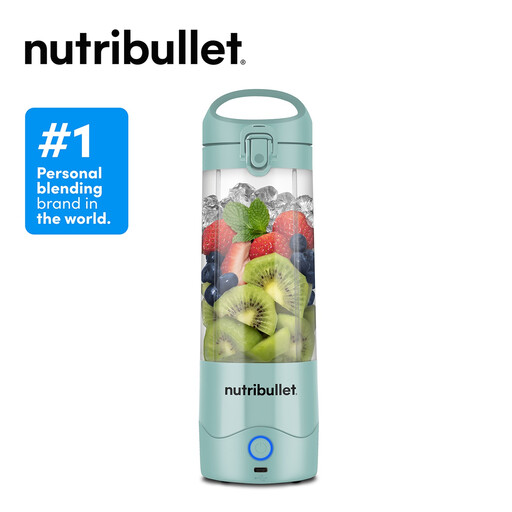 Image unavailable
A cordless cup suits one iced coffee that you want to take away from the kitchen. The product name specifies USB-C charging and 15+ blending cycles; nutribullet also states ice capability for its Portable model. Check the instructions for your intended ice quantity and fill level, and agree on a suitable place to blend at work.
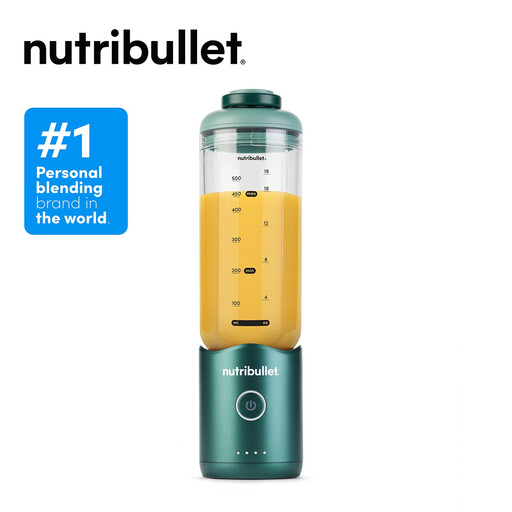 Image unavailable
The detachable vessel suits taking a single drink away from the blender base. nutribullet describes a detachable, dishwasher-safe blade block and states ice capability for the Flex. Check the charging instructions and permitted ice quantity before relying on it for an office frappe.
 Image unavailable
The travel bottle offers a way to take an iced drink away from where it is blended. Its product name specifies a 300W rating, ice-crushing claim and detachable blades. Confirm its power source, washing instructions and permitted ice quantity before deciding whether it fits your office setup.
 Image unavailable
This mains-powered option is relevant if your office permits a plug-in blender and has a suitable outlet and storage space. Its product name specifies a 1200W rating and an ice-crushing claim; the 900ml cup may be larger than you want for one drink. Check the instructions for usable fill and permitted ice quantity, and do not assume the rating establishes its noise level.
No: check the exact model’s instructions for ice or frozen ingredients and for the amount you intend to use. Ninja and nutribullet state ice capability for the portable models discussed here, but those manufacturer claims do not show that the models produce the same frappe texture.
Clean the cup, lid and blade area promptly, following the exact model’s washing instructions rather than leaving drink residue until later. BlendJet, for example, instructs users to clean its blender immediately after each use; also follow your workplace’s shared-kitchen rules.
Do not assume a quick rinse makes a shared blender suitable for everyone. Check your employer’s allergen-control arrangements and use dedicated equipment where those arrangements require it; Food Standards Agency guidance identifies contamination control in shared facilities as important.
Consider one if substantial ice is a regular part of your frappe and the office permits a mains appliance with a suitable socket and storage space. Electrical Safety First says blenders rated at 800W and above are better suited to tougher ingredients such as ice, but that guidance does not establish that a particular plug-in model makes a better drink than a particular cordless one.