Choose whole beans by weight if you have an espresso or bean-to-cup setup; choose portioned coffee bags or sachets if simple hot-water service matters more. A count of 240 describes portions, not a standard whole-bean pack size. For 240 double espressos, Waitrose’s stated 16–17 g dose calls for 3.84–4.08 kg before setup waste or extra orders, so four 1 kg bags cover only the lower end of that range.
Who is buying the coffee?
Breakfast venues with espresso equipment
Plan by the number of drinks and the dose your machine uses, rather than looking for a 240-count bean box. At Waitrose’s stated 16–17 g dose for a double espresso, 240 drinks require 3.84–4.08 kg before any allowance for setup or additional orders.
Hosts serving a large one-off breakfast
Decide whether you will prepare espresso-based drinks or steep individual portions with hot water. Whole beans need suitable grinding equipment; coffee bags and sachets are a different format.
Home cooks serving occasional guests
A smaller pack may be easier to match to the number of breakfasts you expect to serve. UK examples include 227 g beans from M&S and 250 g and 500 g whole-bean packs from illy; check the brewing method before choosing a pack.
What should you check before buying?
Start with how the coffee will be prepared, then calculate the quantity from your own recipe and planned number of drinks.
Bulk whole beans
Choose when: You have an espresso grinder or bean-to-cup machine and plan to serve espresso-based drinks.
Allow for: Grinding equipment, setup time and beans used while adjusting the machine.
Coffee bags or sachets
Choose when: You want individual portions prepared with hot water rather than espresso extraction.
Keep in mind: These portions cannot replace whole beans in an espresso grinder or bean-to-cup hopper.
Smaller bean packs
Choose when: You are making coffee for occasional breakfast guests rather than planning 240 servings.
Keep in mind: A large service would require a separate calculation of how many packs to buy.
| Priority | What to check | Your needs |
|---|
| Serving quantity |
Count the drinks, identify the dose per drink and allow separately for setup and extra orders. Waitrose recommends 16–17 g for its 50 ml double espresso; at that dose, 240 doubles require 3.84–4.08 kg. |
I need enough beans for the drinks I actually plan to make, not merely a pack labelled 1 kg. Four 1 kg bags would fall short if every double used 17 g. |
| Brewing method |
Check whether the beans are recommended for espresso, bean-to-cup, cafetière or filter preparation. Confirm that you can grind them appropriately for the equipment in use. |
My choice should work with the brewer available on the day; individual coffee bags make sense only if I intend to prepare portions with hot water. |
| Flavour preferences |
Read the producer’s flavour description and preparation guidance together. An intensity number or tasting note alone does not establish how a coffee will taste in your recipe. |
If I am serving drinks with milk or making cafetière coffee, I want a profile I expect guests to enjoy, without treating the pack description as a taste-test result. |
| Serving information |
For catered drinks, check the current coffee packaging and the information for additions such as milk or flavoured ingredients. GOV.UK’s allergen guidance addresses food and drink supplied by retail and catering businesses in England, Northern Ireland and Wales. |
If I am serving breakfast through a business, I need current information for the drink as prepared, including anything added to the coffee. |
Common buying mistakes
-
Reading “240” as a whole-bean pack size
Whole-bean examples are labelled by weight, while individually portioned coffee bags and sachets are separate products. A portioned product will not go into a bean-to-cup hopper.
Specify the preparation method before searching: look for beans by weight for a grinder, or coffee bags and sachets for individual hot-water preparation.
-
Assuming one 1 kg bag serves 240 double espressos
At Waitrose’s stated 16–17 g dose for a double espresso, 1 kg provides about 59–62 doubles before setup waste; 240 doubles require 3.84–4.08 kg.
Calculate from your actual recipe and planned drink count. If the dose could reach 17 g, four 1 kg bags alone do not cover 240 doubles.
-
Choosing by flavour notes before checking the brewer
A product described for espresso or moka is not the same selection decision as one recommended for cafetière or filter service, even if both are sold as whole beans.
Check the product’s brewing guidance and the grind required by your equipment before using tasting notes to choose between suitable beans.
-
Using an old online listing for a catered drink
The drink served to a guest may include milk or flavoured ingredients as well as coffee, so information for the coffee alone does not describe the finished drink.
Check current packaging or supplier information for each product used and keep the details of additions available to the people preparing and serving drinks.
Brand ranges to consider
These brand examples describe particular bean ranges and pack sizes; check the exact product and brewer rather than assuming every coffee from a brand has the same use.
Lavazza
Lavazza UK lists Espresso Barista Gran Crema in 500 g and 1 kg packs and identifies it for espresso preparation.
- The 1 kg format is relevant when planning a larger espresso service.
- The brand’s flavour and intensity descriptions are preference guides, not independent comparisons with other beans.
Taylors of Harrogate
Taylors lists Rich Italian whole beans in 200 g, 454 g and 1 kg packs.
- The pack-size range lets you choose a quantity suited to occasional or larger-scale preparation.
- The beans still need grinding; confirm preparation guidance for the particular brewer you will use.
Union
Union offers House Roast as a 1 kg whole-bean option and recommends it particularly for cafetière and filter brewing.
- Its stated brewing guidance is relevant to a breakfast service using a cafetière or filter brewer.
- That guidance should not be read as an espresso-specific recommendation.
Waitrose
Waitrose lists 1 kg Espresso Beans and smaller whole-bean options in its No.1 range.
- Its espresso guidance specifies 16–17 g of finely ground coffee for a 50 ml double shot, giving buyers a stated dose to use for planning that recipe.
- Pack size and preparation instructions need checking on the individual product.
illy
illy’s UK whole-bean range includes 250 g and 500 g packs.
- These sizes provide an option for breakfasts with fewer planned drinks.
- A 240-drink service would need a quantity calculation across multiple packs.
M&S
M&S lists Collection Single Origin Colombian Coffee Beans in a 227 g pack.
- The smaller pack can be considered for an occasional breakfast rather than a bulk service.
- A 227 g pack does not itself answer how much to buy for a large group; calculate quantities from the intended recipe.
Joybuy whole-bean options
These are whole-bean packs to consider when breakfast coffee will be prepared with suitable grinding and brewing equipment. Choose the total weight from your planned recipe; a single listed pack is not a 240-portion box.
 No image available
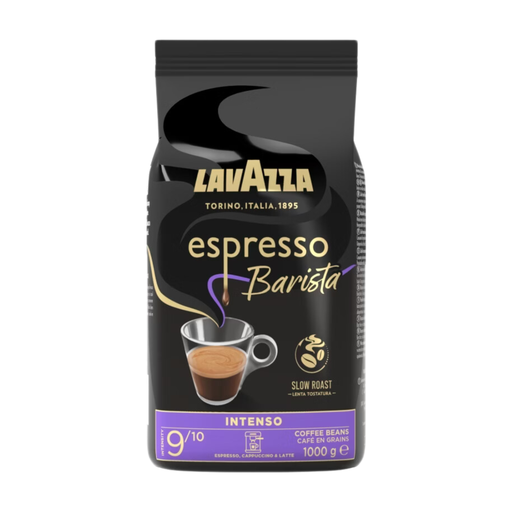
Lavazza Barista Intenso Beans 1 kg
A 1 kg bean pack for a breakfast service using espresso or a fully automatic machine, as described for this product. The product description calls it a medium roast with intensity 7 and chocolate and dried-fruit notes. Check the total number of packs against your planned dose and allow for setup and extra drinks.
View on Joybuy
 No image available
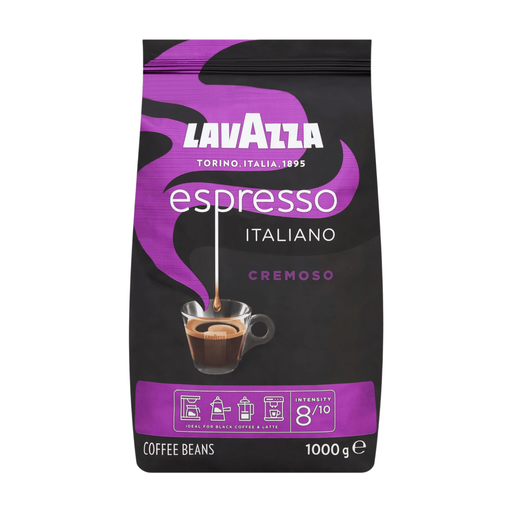
Espresso Italiano Cremoso Beans 1 kg
A 1 kg whole-bean option whose product description lists espresso and bean-to-cup preparation, as well as filter, French press and moka methods. It describes a medium roast, intensity 8 and chocolate hints. Follow the instructions for your brewer and calculate the number of packs from the drinks you expect to serve.
View on Joybuy
 No image available
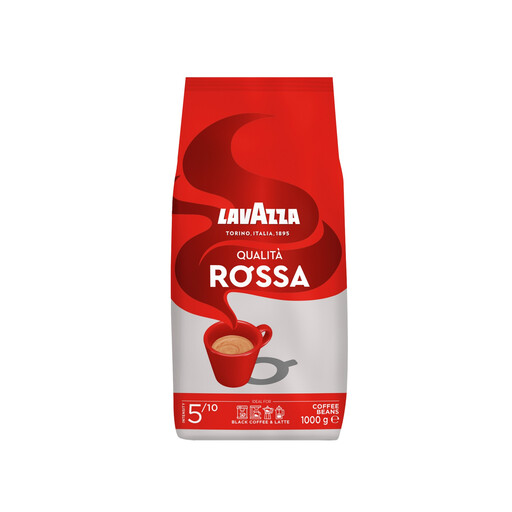
Lavazza Qualita Rossa Coffee Beans 1000 g
A 1000 g whole-bean pack to consider if your breakfast setup uses one of the product description’s listed methods: espresso, filter or French press. The description identifies an Arabica-and-Robusta blend, medium roast and intensity 5. Check your grinder and brewer instructions, then plan the total bean weight for your serving count.
View on Joybuy
 No image available
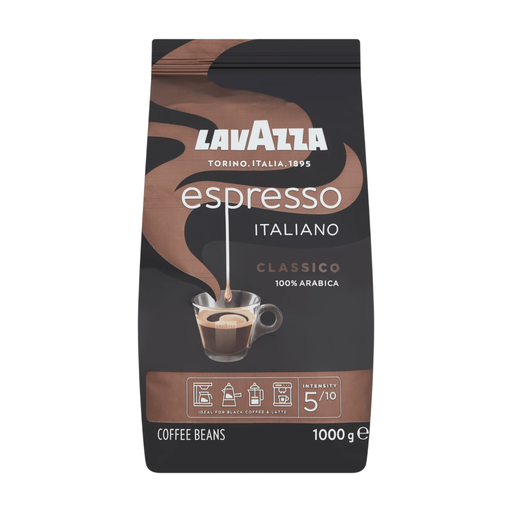
Lavazza Cafe Espresso Coffee Beans 1 kg
A 1 kg whole-bean pack described primarily for espresso; its product description also lists moka, French press, pour-over and drip preparation and identifies the beans as 100% Arabica. Match the grind and recipe to your equipment, and calculate how many packs the planned service requires.
View on Joybuy
 No image available
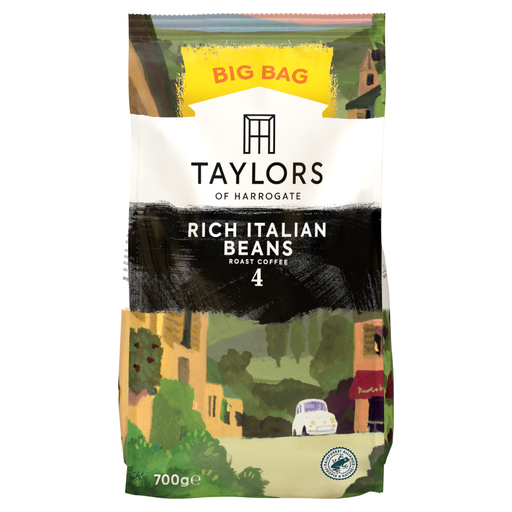
Taylors of Harrogate Rich Italian Coffee Beans 700 g
A 700 g whole-bean pack for buying breakfast coffee by weight; the product description identifies the beans as 100% Arabica. Check the pack’s preparation guidance against your brewer before ordering, and calculate the quantity needed for the planned drinks.
View on Joybuy
Questions about quantities and brewing
Is a box of 240 the right format for whole coffee beans?
Look for whole beans by weight, not by a count of 240. The UK bean examples here use pack weights including 227 g, 250 g, 500 g and 1 kg, while hospitality suppliers list individually portioned coffee bags and sachets as separate products. Check what the count refers to before buying.
How many beans do I need for 240 double espressos?
At Waitrose’s stated dose of 16–17 g for a 50 ml double espresso, 240 drinks use 3.84–4.08 kg before setup waste or extra orders. Four 1 kg bags cover the calculation at 16 g per drink but not at 17 g; base the order on your actual recipe and include a separate allowance where needed.
Which beans should I consider for breakfast coffee with milk?
Choose beans suited to your brewing method first, then use flavour descriptions to narrow your preference. Lavazza describes its Espresso Barista Gran Crema as an espresso-oriented blend, while Waitrose describes flavour notes for its Espresso Beans when served with milk. Those descriptions do not establish which coffee your guests will prefer.


