Afternoon decaf regulars
If you usually make one decaf coffee with the same brewer, a repeatable dose and a manageable cleaning routine are more relevant than adjustment features you will rarely use.


Choose an afternoon-decaf grinder for your brewer first, then for how often you change beans. If you use one decaf bean for filter coffee or a cafetière, straightforward dosing and cleaning may matter more than fine espresso adjustment; if you alternate regular and decaf beans, pay closer attention to how you empty and clean the grinder. Decaf is not caffeine-free, so grinder choice cannot remove the need to consider the coffee itself if you limit caffeine.
If you usually make one decaf coffee with the same brewer, a repeatable dose and a manageable cleaning routine are more relevant than adjustment features you will rarely use.
If you put both types of bean through one grinder, look closely at how you remove remaining beans and reach loose grounds when changing over.
If your afternoon drink starts with an espresso shot, the grinder’s fine adjustment range matters more than it would for a filter-only routine. Check its fit with your particular brewer and accessories.
Start with the coffee you make—espresso, filter, pour-over or cafetière—then decide whether one decaf bean will stay in the grinder or you will regularly switch beans. Which? assesses grind quality alongside ease of use and cleaning in its UK grinder coverage; a long settings list alone does not settle the choice.
| Concern | What to check | Who this matters to |
|---|---|---|
| Changing beans | Check how to empty the hopper and reach the burr area; confirm whether any single-dose accessory is included. | If I change from regular beans to afternoon decaf, I want to clear loose grounds without making the routine cumbersome. Around 40% of consumers put practical bean switching first. |
| Brewer fit | Check the exact model’s stated grind range and, for espresso, its adjustment control and portafilter fit. | If I make espresso, I need fine adjustment; for filter coffee or a cafetière, I need a suitable coarser range. Around 30% of consumers prioritise matching the grinder to their brewer. |
| One-cup routine | Check how a dose is started and stopped, and whether the grounds container and cleaning points are convenient to use. | For one familiar afternoon cup, I want dosing and upkeep that I can repeat without fuss. Roughly 30% of consumers place that daily routine first. |
The British Heart Foundation notes that decaf coffee is not completely caffeine-free. Changing beans in one grinder can also leave loose grounds to clear.
Consider the coffee’s caffeine information and your total intake if you limit caffeine. Follow the grinder manual when cleaning between beans; seek advice from your clinician if you have a medical caffeine restriction.
Fine adjustment addresses an espresso need, but does not replace checking the coarser range and everyday dosing you will use for filter coffee or a cafetière.
Name your brewer before comparing settings. Concentrate on its required grind range, then check how easily you can dose and clean the grinder.
A stated range from espresso to French press describes intended settings, not how easily every espresso machine, basket and recipe can be adjusted.
Check the exact model’s adjustment system and the accessories needed for your setup rather than relying on the range claim alone.
A grinder that suits your brewing method still needs a cleaning routine, particularly if you change beans. Access to the hopper, burr area and grounds path varies by model.
Find the instructions for the exact model before ordering, and check its maintenance requirements and domestic warranty terms.
These brands provide useful models or product lines to compare; their inclusion does not establish that every grinder they make suits an afternoon decaf routine.
Consider the specific Uniform models if you want an electric burr grinder with a stated range for multiple brew methods.
Relevant when comparing cleaning access and an espresso-oriented adjustment workflow on a specific model.
A brand to include when comparing UK electric grinders for your brewing method.
Another brand to consider when comparing electric grinders available for UK buyers.
A reference point when comparing specialist grinder workflows and adjustment for a particular brewer.
These grinders cover electric and manual ways to prepare an afternoon decaf. Compare each one against your brewer and routine: a stated grind range does not by itself establish easy bean switching, and a portable design does not replace checking how you dose and clean it.
 No image available
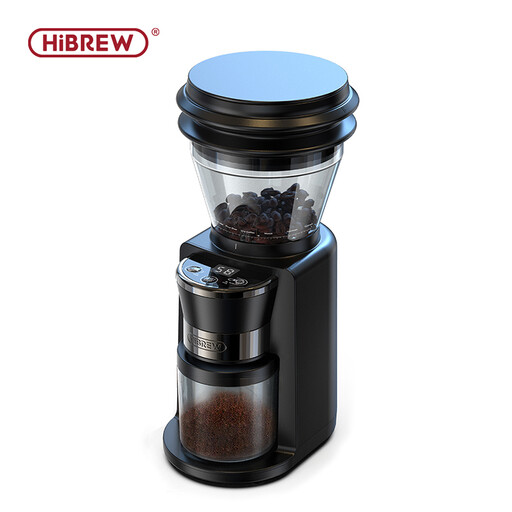
Consider this hopper-style grinder if you normally keep one bean ready for your afternoon cup. Its title specifies 34 grind settings, a 210 g bean container, a 100 g grounds container and 48 mm conical burrs, along with manual and automatic modes.
If you expect to switch beans often, check the burr-area cleaning instructions. Confirm the supplied plug and domestic warranty arrangements before ordering.
 No image available
Consider this model if you want to compare settings for an espresso or filter-coffee routine. Its title specifies 60 grind settings, a conical burr and Dosing iQ™ technology.
Check its cleaning instructions if you alternate regular and decaf beans, and confirm the supplied electrical details and warranty arrangements.
 No image available
Its portable, one-touch design may suit a hands-on afternoon routine. The title specifies adjustable grinding, a Type-C rechargeable 1000 mAh battery and stated use from espresso to French press.
Check the bean capacity and cleaning procedure against the amount you make and how often you switch beans.
 No image available
Consider this rechargeable model if you want a portable grinder for different brewing methods. Its title specifies 30 settings from espresso to French press, automatic stop and clog protection.
Before relying on it for regular bean changes, check how its burr area is cleaned. Confirm the charging details and domestic warranty arrangements.
 No image available
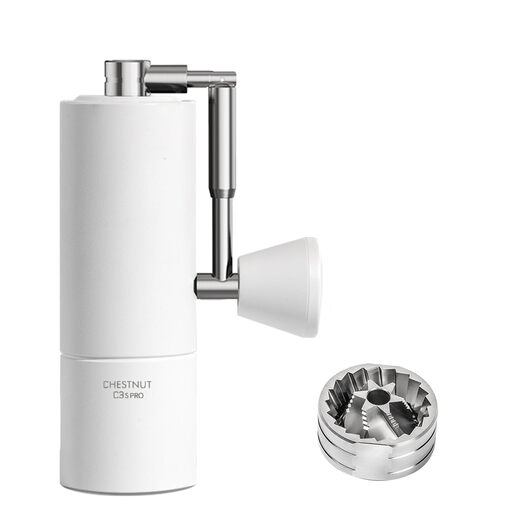
This is a hand-operated option if manual grinding suits your afternoon routine. Its title specifies an S2C stainless-steel conical burr, a foldable handle and adjustable settings described for espresso through French press.
Allow for the effort of grinding by hand, and check the model’s cleaning instructions if you plan to change beans frequently.
No particular grinder type is required simply because the beans are decaf. Choose for your brewer and routine: one bean and one brew method call for different dosing and cleaning considerations from frequent switches between regular and decaf beans.
Follow the instructions for your exact grinder, clearing remaining beans and brushing accessible grounds from the burr area where the design permits. Baratza’s cleaning guidance describes removing the hopper and upper burr for its applicable grinders; do not assume every model opens the same way or that cleaning guarantees no caffeine carry-over.
No. The British Heart Foundation says decaf coffee has most of its caffeine removed but is not completely caffeine-free. If you need to restrict caffeine, consider the coffee you use and your overall intake rather than relying on the grinder or the decaf label alone.
Check the exact product’s supplied plug or charging arrangement, voltage information, manufacturer instructions and warranty route with the seller. A model name or a specification for another market is not enough to establish that the version offered meets your needs.