What matters when choosing?
Decide how you will brew the decaf, then consider how easily you can switch beans and prepare the amount your visitors need.
| Concern |
What to check |
Who this matters to |
| Switching beans |
Check access to the burr and chute for cleaning, and whether a small dose can be ground without leaving beans in the hopper. |
I usually grind regular coffee and want to clear leftover grounds before making decaf for a friend; around 37% of consumers put clean switching first. |
| Brewing range |
If you use a pump espresso machine, check for an explicitly documented espresso range as well as settings for your other brewers. |
Guests may ask for espresso or filter coffee, so I need a grinder specified for both; roughly 36% of consumers prioritise brewing flexibility. |
| Shared batches |
Check catch-cup capacity and whether the dosing method suits several cups in one session. |
When several friends want filter decaf, I want to prepare the batch without repeatedly emptying a small cup; about 27% of consumers chiefly value a convenient shared-brew routine. |
Joybuy product choices
These two manual grinders suit occasional decaf preparation when you want to measure out a small amount of beans. Hand grinding may take more effort if several guests need coffee.
 No image available
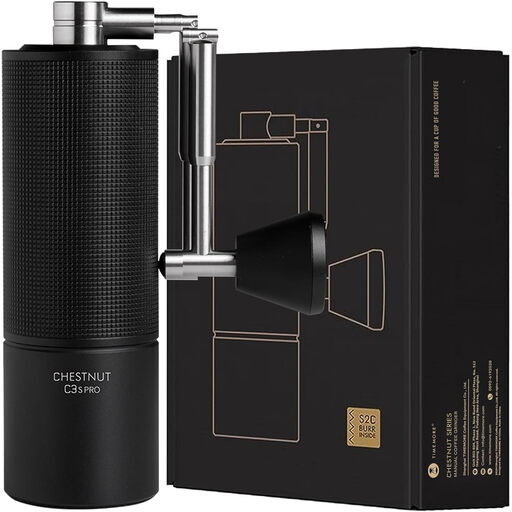
TIMEMORE Chestnut C3S Pro manual grinder, black
The 25 g bean container is worth considering if you measure out a small decaf dose rather than leaving beans in the grinder.
The product title specifies a conical grinder, stainless steel construction and a foldable handle. For regular-to-decaf switching, check the cleaning instructions and clear leftover grounds; manual grinding can take more effort for several servings.
View on Joybuy
 No image available
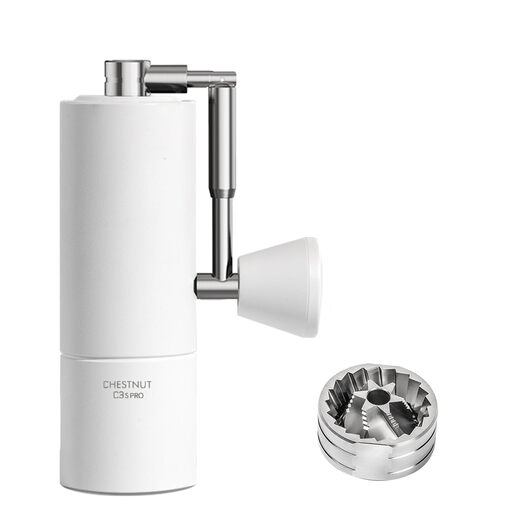
TIMEMORE Chestnut C3S PRO manual grinder, white
This hand grinder is an option if you want to adjust the grind for decaf brewed by different methods, subject to checking the settings needed for your brewer.
The product title specifies an S2C conical burr, a foldable handle and adjustment described as spanning espresso to French press. Check how to access and clean the burr before relying on it for frequent bean switching; hand grinding may take longer for several servings.
View on Joybuy
Common questions
Do I need a separate grinder for decaf?
Not necessarily if you can empty and clean the grinder between regular and decaf beans. Espresso Coffee Shop notes that grounds and oils accumulate inside grinders, so clear what you can reach and do not assume the next dose is free of regular-coffee residue. A shared grinder should not be relied on for a strict caffeine-related medical requirement.
Will a filter-coffee grinder work for a guest’s espresso?
Only choose it for espresso if the exact model is specified for that brewing method. Fellow says Ode Gen 2 is not suitable for espresso, whereas Coffee Omega UK specifies an espresso range of settings 1–20 for the Baratza Encore ESP.
How should I clean a grinder before preparing decaf?
Empty the beans and clear loose grounds, then unplug the grinder before cleaning accessible parts with a dry brush or cloth in line with its instructions. Do not wet internal metal parts unless the manufacturer permits it.
What should I check on an electric grinder for use in the UK?
Check the exact unit’s plug, voltage, instructions and product-safety information for its destination. The UK Office for Product Safety and Standards explains that the Electrical Equipment (Safety) Regulations 2016 set requirements for electrical equipment placed on the Great Britain market; requirements can differ in Northern Ireland, so check the applicable information if delivery is there.


