Who these grinders suit

Fresh-per-cup brewers

If you make one or two coffees at a time, look for a way to load the beans you need and collect the grounds without several transfers. The Fellow Opus listing at Borough Kitchen describes single-dose loading, measuring compartments and a magnetic catch cup.

Small-batch espresso diallers

If you weigh small espresso portions, fine grind adjustment may matter more to you than bean-storage capacity. 1Zpresso describes its manual J-Ultra as espresso-focused, with 8-micron movement per adjustment click.

Convenience-led daily brewers

If you would rather use a timer than turn a handle, an electric grinder may suit your routine. Sage Appliances GB lists timed controls and settings covering espresso through coarser brewing methods on its Dose Control Pro and Smart Grinder Pro.

What matters for small portions

Single-dose electric

Choose it when: You weigh beans for each brew and want an electric grinder with a defined loading and collection routine. Borough Kitchen lists single-dose loading and a magnetic catch cup for the Fellow Opus.

Trade-off: You still need to portion the beans before grinding; the listed 100 g hopper can hold more than one serving.

Manual grinder

Choose it when: Compact storage or grinding without mains power matters enough to make hand grinding worthwhile. For espresso, check the adjustment on the exact model.

Trade-off: Each serving takes manual effort, especially if you prepare several drinks in succession.

Timed electric

Choose it when: You prefer button-operated grinding and want to set a duration for a familiar coffee and recipe. Sage Appliances GB lists timed adjustment on its Dose Control Pro and Smart Grinder Pro.

Trade-off: A timer sets grinding time, not the weight of coffee dispensed; check the dose again when you change beans or grind setting.

Concern What to check Who this matters to
One- or two-cup portions Check how you will measure the beans and whether a dosing or catch cup makes grounds collection practical. I want to load just enough beans for each brew without awkwardly transferring the grounds. Around 36% of consumers put this fresh-per-cup routine first.
Fine espresso adjustment Check the exact model’s espresso suitability and stated adjustment increments; allow for hand grinding if choosing a manual model. When I change my espresso recipe, I need enough adjustment control to tune a small dose. This is the primary concern for around 29% of consumers.
Timed electric dosing Check the timer increments and whether the grinder dispenses into your preferred portafilter or container. I want to prepare a familiar small portion without turning a handle, while checking its weight when I change coffees. Around 21% of consumers prioritise that electric routine.
Compact, no-mains use Check dose capacity, size and weight against where you plan to use or store the grinder. If cupboard space or access to a socket is my main constraint, I can accept the effort of grinding by hand. Roughly 14% of consumers put portable, no-mains use first.

Buying pitfalls

  • Choosing by hopper size alone

    A large hopper does not tell you how easily you can load and collect one small dose. Borough Kitchen lists a 100 g hopper for the Fellow Opus alongside its single-dose loading features.

    Decide whether you will weigh beans before each brew, then check the loading method and grounds container.

  • Reading timer increments as gram settings

    Sage Appliances GB specifies one-second time adjustments for the Dose Control Pro and 0.2-second adjustments for the Smart Grinder Pro. Those settings control duration rather than specifying a delivered coffee weight.

    Weigh the output while establishing your routine and check it again after changing beans or grind size.

  • Ordering an electric grinder without a clear model identity

    A 2026 UK product-safety report from the Office for Product Safety and Standards identified accessible rotating blades and a counterfeit plug on the specific JJ-668 coffee grinder. That finding should not be applied to other models.

    Check the exact model and electrical details on the listing, and consult current UK product-safety alerts before ordering.

  • Washing a grinder against its cleaning instructions

    1Zpresso instructs J-Ultra owners not to clean that grinder with water.

    Follow the manual for your model; for the J-Ultra, 1Zpresso recommends a brush and blower.

Brands to consider for small portions

Fellow

For an electric grinder with a documented single-dose routine, Borough Kitchen lists the Fellow Opus with integrated 20 g and 40 g measuring compartments and a magnetic catch cup.

  • The Opus listing explicitly describes single-dose loading and 41+ grind settings.
  • Its listed 100 g hopper can hold multiple portions, so decide whether you will load only the beans needed for each brew.

1Zpresso

For manual small-batch espresso grinding, 1Zpresso describes the J-Ultra with 8-micron adjustment clicks and a 35–40 g catch-cup capacity.

  • Manual operation avoids a mains socket and offers fine stated adjustment on the J-Ultra.
  • Grinding takes hand effort. If ordering from 1Zpresso’s store for delivery to the UK, check the seller’s delivery, tax, warranty and returns terms.

Sage

For timed electric grinding, Sage Appliances GB lists 60 settings on both the Dose Control Pro and Smart Grinder Pro.

  • The Dose Control Pro offers one-second time adjustments; the Smart Grinder Pro lists 0.2-second adjustments and cup/shot programming.
  • These are time controls, not guarantees of an identical coffee weight when beans or settings change.

Wilfa

Wilfa UK lists electric grinder lines including Zense and Uniform for different brewing methods.

  • The UK range offers models to compare if you want an electric grinder for your usual brewing method.
  • For a one- or two-cup routine, check the chosen model’s loading, dose-control and cleaning arrangements rather than assuming it has a single-dose design.

Joybuy products for small portions

These manual and portable electric grinders are options to consider for small batches. Compare the stated features with your usual dose, brew method and willingness to grind by hand; a timer-led or purpose-built single-dose workflow calls for its own checks.
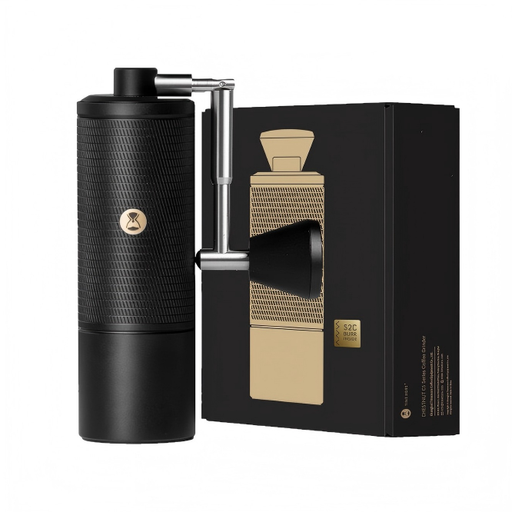
TIMEMORE C5 Pro manual coffee grinder

TIMEMORE C5 Pro Manual Coffee Grinder

Consider this if you are happy to grind each small portion by hand. Check its dose capacity and adjustment range against your usual recipe, and consult the model’s cleaning instructions.

View on Joybuy
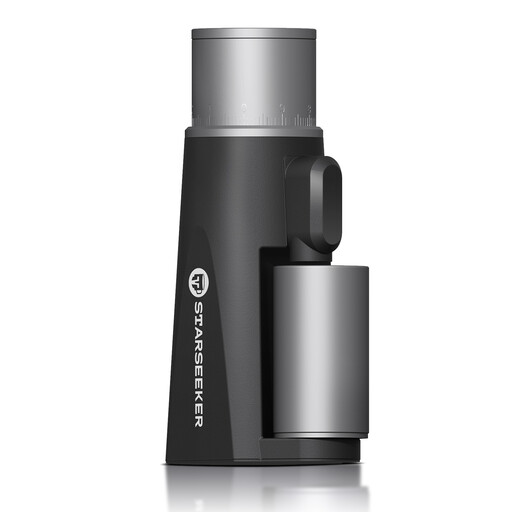
STARSEEKER EDGEmini portable wireless electric coffee grinder

STARSEEKER EDGEmini Portable Wireless Electric Coffee Grinder

Consider this cordless model if you want electric grinding for espresso or pour-over away from a mains socket. Confirm that its usable bean and grounds capacities fit your portion; the product information also notes that static and scattered grounds can occur.

View on Joybuy
TIMEMORE portable electric burr coffee grinder in black

TIMEMORE Portable Electric Burr Coffee Grinder, Black

Consider this portable electric option if you switch between espresso and French press. Its product name specifies 30 grind settings; check how its grounds are collected and whether its operating limits suit the number of drinks you prepare in succession.

View on Joybuy
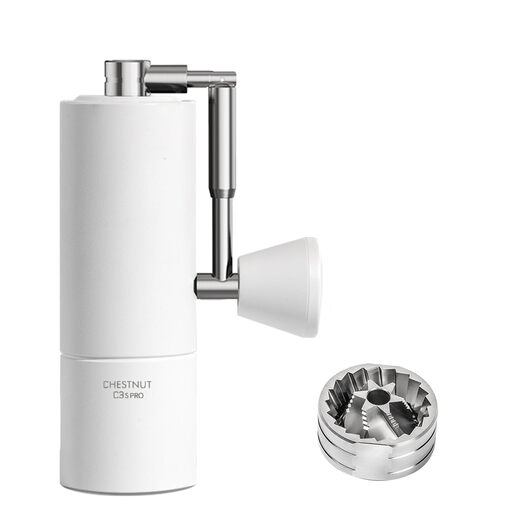
TIMEMORE Chestnut C3S PRO manual coffee grinder in white

TIMEMORE Chestnut C3S PRO Manual Coffee Grinder, White

Consider this hand-powered model if compact storage and adjustment across espresso and French press matter to you. The product name specifies an S2C stainless-steel conical burr and foldable handle; check how it collects grounds and how the manual says to clean it.

View on Joybuy
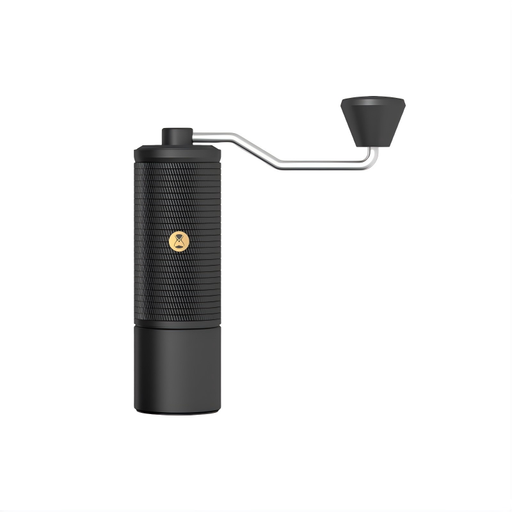
TIMEMORE C5 ESP Pro manual coffee grinder

TIMEMORE C5 ESP Pro Manual Coffee Grinder

Consider this manual option if small espresso portions are your focus and hand grinding suits your routine. Check the usable dose capacity, exact adjustment increments and cleaning instructions against your recipe.

View on Joybuy

Frequently asked questions

Do I need a dedicated single-dose grinder for one cup?

No: a timed grinder can also handle one cup if you measure the beans and have a suitable way to collect the grounds. If you want built-in portioning aids, Borough Kitchen lists single-dose loading and 20 g and 40 g measuring compartments for the Fellow Opus.

Should I choose a manual or electric grinder for a small espresso dose?

Choose manual if compact, no-mains use and hand-powered adjustment suit you; choose electric if you would rather avoid turning a handle. 1Zpresso states 8-micron adjustment clicks for its J-Ultra, while Sage Appliances GB lists timed adjustment for its electric Dose Control Pro and Smart Grinder Pro. You will still need to adjust the grind for your coffee and recipe.

How should I clean a grinder used for small portions?

Follow the instructions for your exact model rather than assuming its burrs can be washed. 1Zpresso says to clean the J-Ultra with a brush and blower, not water; Sage’s Dose Control Pro instructions describe brushing its burrs and outlet.

What electrical-safety details should I check before ordering in the UK?

Check the exact model, its plug and voltage information, and the listing’s safety details before ordering an electric grinder. A 2026 report from the UK Office for Product Safety and Standards identified accessible rotating blades and a counterfeit plug on model JJ-668 specifically; it does not describe grinders generally.

What can I do with an old electric grinder when buying a replacement?

Ask the selling retailer about like-for-like electrical-equipment take-back, or use an appropriate electrical-waste collection route. GOV.UK states that retailers selling electrical equipment must offer to take back waste of the same type as an item a customer buys, under the applicable take-back arrangements.