
24/7 Customer Support

Free returns

Same-day & Next-day Delivery

Quality Guaranteed

Unlock Your Welcome Offers: FREE Delivery | Up to 80% OFF | Free 30-day JoyPlus trial
Download the APP
Navigating the world of home coffee machines can feel overwhelming. With endless features, technical jargon and sleek marketing, it’s easy to end up with a machine that gathers dust after a few weeks. Many buyers fall into common traps, investing in a model that doesn’t suit their lifestyle, is a hassle to maintain or has hidden long-term costs.
As the Joybuy Product Recommendation Officer, my role is to help you sidestep these issues. This guide cuts through the clutter, focusing on the practical considerations for UK households. We will look at the key pitfalls to avoid and the essential features that truly matter, helping you find a coffee machine that you will genuinely use and enjoy every day.
Before looking at models, it’s crucial to recognise the most frequent mistakes that lead to buyer's remorse.
pod coffee machine can seem like a bargain upfront. The initial cost is low and the process is simple. However, the ongoing expense of proprietary capsules can add up significantly over time, often costing far more per cup than using fresh beans or ground coffee. It is a trade-off between time and long-term running costs.To make an informed choice, focus on these non-negotiable specifications. They determine the quality of your coffee and the machine's usability far more than flashy marketing claims.
home espresso machine, the pump pressure is a key metric. While many machines advertise 15-20 Bar, the industry standard for optimal extraction at the brew head is around 9 Bar. High pump pressure is a good starting point, but a machine that can deliver that pressure stably is what creates a rich, flavourful espresso with a consistent crema. Look for models that mention stable or regulated pressure.coffee machine with milk frother. Dual-boiler machines, found on higher-end models, allow you to pull an espresso shot and steam milk simultaneously.compact coffee machine might be a necessity. Also, consider the build materials. Stainless steel housing is generally more durable and easier to clean than plastic and a removable water tank with at least a 1-litre capacity will save you from constant refilling.We have matched some popular models to different user needs, helping you see how specific features align with real-world use.
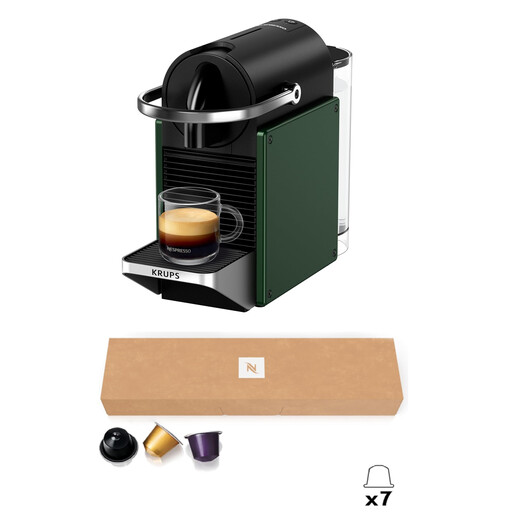
Why This Fits Their Persona: For those with hectic mornings and limited kitchen space, the Pixie delivers consistent espresso with zero fuss. Its ultra-compact footprint is ideal for small flats, student accommodation or crowded worktops. It’s built for speed and simplicity.
It sidesteps the "hidden cost" trap by being compatible with the wide ecosystem of Nespresso Original and third-party compatible pods, giving you choice and control over running costs. It focuses purely on espresso and lungo, avoiding the "master of none" issue.
Its 19-bar pressure pump and rapid 25-second heat-up time provide genuine espresso quality almost instantly. The automatic flow-stop and simple two-button operation make it exceptionally easy to use.
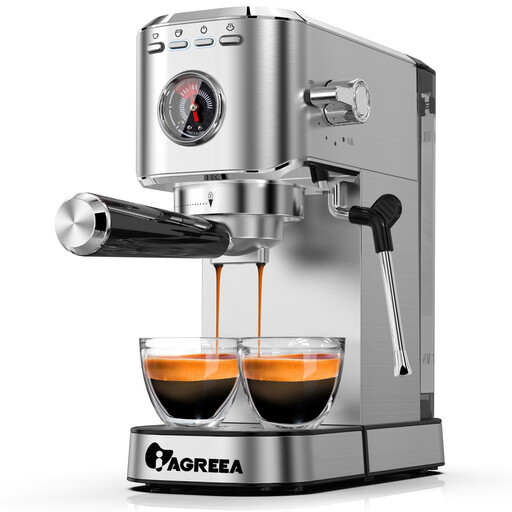
Why This Fits Their Persona: This semi-automatic `cappuccino maker` is for those who want to move beyond pods and control their brew. It provides the tools to learn the art of espresso making, from tamping ground coffee to frothing milk for a latte.
It avoids the "all-in-one" trap by focusing on two core functions: espresso extraction and milk steaming. The use of ground coffee eliminates the high running costs of pods and the removable parts make it straightforward to clean.
The built-in pressure gauge provides real-time feedback on extraction, a feature that helps users learn and perfect their technique. The powerful steam wand and stainless steel build offer a durable, hands-on experience.
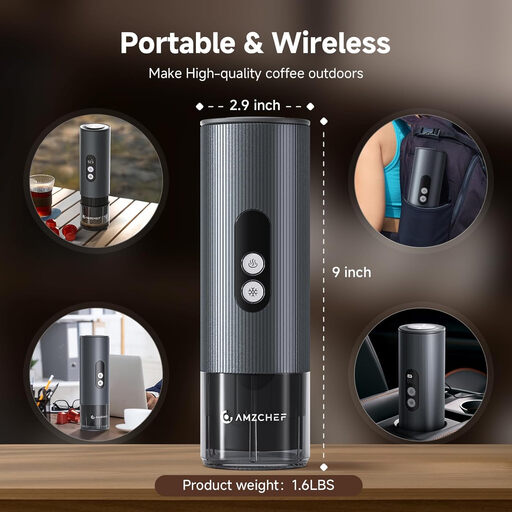
Why This Fits Their Persona: This `portable coffee maker` is for those who refuse to compromise on coffee quality, even when camping, hiking or on a road trip. It is a self-contained `travel coffee maker` that heats water and extracts espresso without needing a plug socket.
This is a purpose-built device that solves a specific problem: making real espresso on the go. It doesn't pretend to be a full kitchen machine. Its value is in its portability and self-sufficiency, making it a practical tool rather than a compromised gadget.
The large 9000mAh rechargeable battery and rapid heating system are its standout features. It offers true freedom, while compatibility with both NS capsules and ground coffee provides flexibility when packing for a trip.
We have compiled a complete, real-time list of products that fully satisfy these strict selection criteria and UK safety regulations.
This depends heavily on your local water hardness. In hard water areas, such as London and much of the South East, descaling every one to two months is recommended to prevent limescale build-up, which can affect performance and taste. In softer water regions, every three to four months should be sufficient. Always refer to your machine's instruction manual for specific guidance.
A bean to cup coffee machine grinds fresh beans for every single cup, offering superior freshness and one-touch convenience. While the initial investment is higher than for other machine types, it can be a worthwhile choice for households that consume a lot of coffee and prioritise both quality and ease of use. Over time, the cost per cup using whole beans is often lower than with pods.
Generally, no. This is a critical point to check before purchasing a pod coffee machine. Most systems are proprietary, meaning a Lavazza machine needs Lavazza pods and a Nespresso machine needs Nespresso-compatible pods. Some newer models are designed with dual compatibility, but you should always verify which capsule types a machine accepts to avoid costly mistakes.