
24/7 Customer Support

Free returns

Same-day & Next-day Delivery

Quality Guaranteed

Unlock Your Welcome Offers: FREE Delivery | Up to 80% OFF | Free 30-day JoyPlus trial
Download the APP
Navigating the world of home coffee machines can feel overwhelming. With endless features and slick marketing, it’s easy to end up with a machine that gathers dust after a few weeks. As a Joybuy Product Recommendation Officer, my role is to help you sidestep the common pitfalls and find a machine that genuinely suits your daily routine and budget.
Many buyers fall into a few common traps. Understanding them is the first step to making a smarter choice.
To avoid these issues, focus on the fundamental specifications that determine a machine's performance and longevity.
The type of coffee you enjoy most should be your primary guide.
For latte and cappuccino drinkers, the milk system is critical.
Instead of a one-size-fits-all list, we’ve matched our recommendations to specific UK lifestyles and needs.
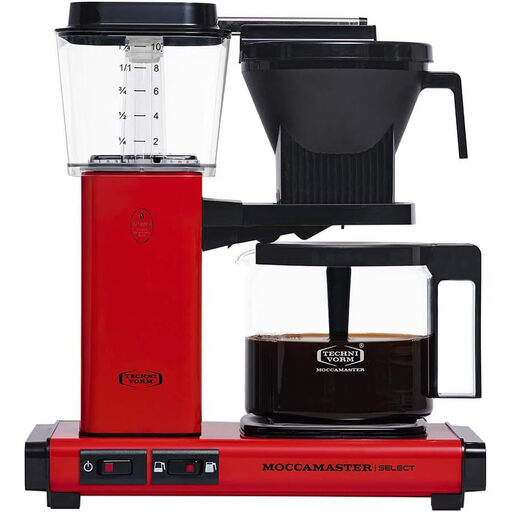
Why This Fits Their Persona: This user values quality, consistency and longevity above all else. They want a machine that does one job perfectly. The Moccamaster is handmade in the Netherlands and focuses purely on brewing exceptional filter coffee, making it a durable and reliable centrepiece for any kitchen.
It rejects the "do-it-all" approach. By specialising in filter coffee, it delivers superior performance and is built with high-quality, repairable parts, avoiding the disposability of cheaper, multi-function machines.
Its copper heating element maintains the optimal 92-96°C brewing temperature, meeting the strict standards of the European Coffee Brewing Centre (ECBC) for a consistently flavourful cup.
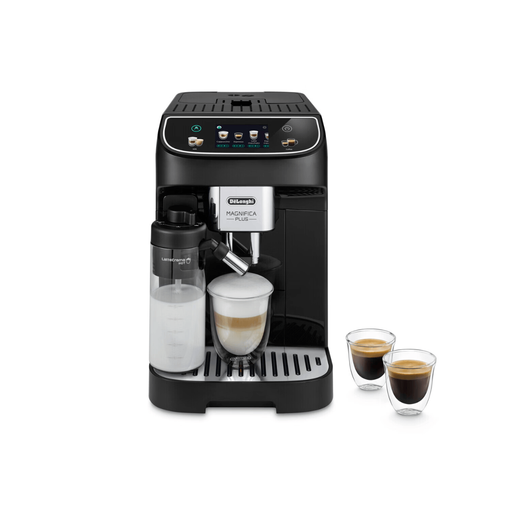
Why This Fits Their Persona: Perfect for busy professionals or families in the UK who need a great coffee fast. This machine offers one-touch cappuccinos and lattes, taking the effort out of morning routines while still delivering the freshness of a bean to cup coffee machine.
It sidesteps the pod trap by using whole beans, which are more economical and environmentally friendly. The automatic cleaning functions for the milk system also address the maintenance pitfall, making it easy to keep hygienic.
The combination of an integrated burr grinder with 13 settings and the LatteCrema automatic coffee machine with milk frother provides consistent, customisable drinks with minimal user input.
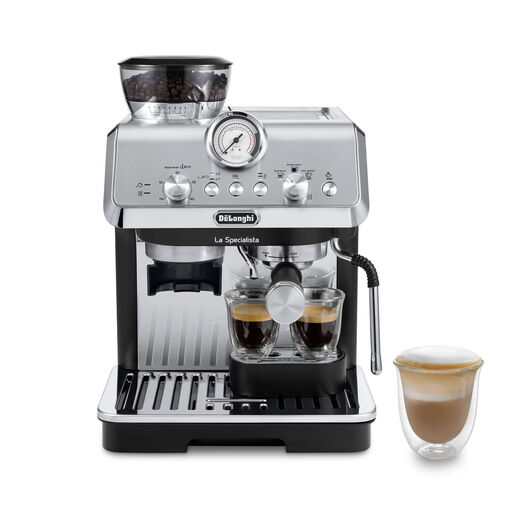
Why This Fits Their Persona: This user wants to move beyond push-button coffee and learn the craft. The La Specialista Arte provides the tools and control of a true home barista machine, allowing them to experiment with grind size, tamping and milk texture to perfect their espresso.
It's the opposite of a "black box" machine. It empowers the user with manual controls and professional-style accessories, encouraging skill development rather than promising a magic, one-size-fits-all solution.
It includes a complete barista kit (tamper, dosing funnel and milk jug) and a My Latte Art steam wand, providing everything needed to start practising and mastering café-quality drinks at home.
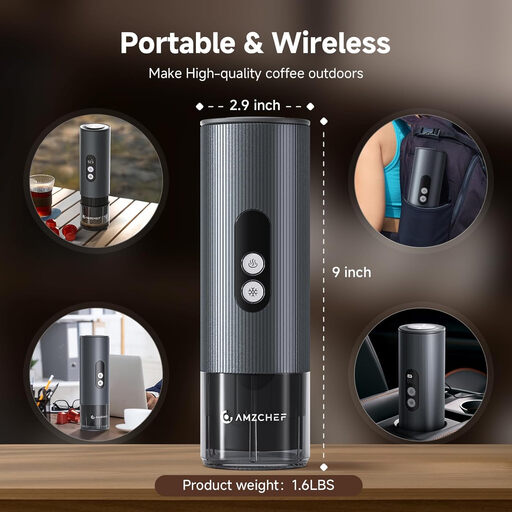
Why This Fits Their Persona: For the camper, hiker or road-tripper, access to a good coffee shouldn't depend on finding a café. This portable coffee maker is designed for true mobility, allowing you to brew genuine espresso whether you're in a tent, a car or an office.
This is a specialised tool, not a compromised home machine. It solves the specific problem of making high-pressure coffee without a mains plug, and its compatibility with both capsules and ground coffee avoids being locked into one system.
The powerful 9000mAh battery not only powers the 20-bar pressure pump but also heats the water itself, making it a completely self-contained espresso solution for any location.
We have compiled a complete, real-time list of products that fully satisfy these strict selection criteria and UK safety regulations.
This largely depends on where you live. Many areas in the UK, particularly in the South and East of England, have very hard water. In these areas, descaling every 1-2 months is advisable to prevent limescale build-up, which can affect performance and temperature. In soft water areas, descaling every 3-4 months is usually sufficient. Always follow the manufacturer's specific instructions.
While the initial cost is higher than a pod or filter machine, a bean-to-cup model can be more economical in the long run. The cost per cup using fresh beans is significantly lower than buying pods. If you drink coffee daily and currently buy from a café, a bean-to-cup machine can pay for itself over time, all while providing superior freshness and flavour.
For extracting espresso, you need around 9 bars of pressure applied at the coffee grounds. Most modern machines are equipped with pumps capable of 15 bars or more to ensure that this 9-bar minimum is consistently met, even if your coffee grind isn't perfect. While a 20-bar pump sounds more powerful, the difference in the final cup quality compared to a 15-bar pump is generally negligible for home use. Both are more than capable of producing excellent espresso.