
24/7 Customer Support

Free returns

Same-day & Next-day Delivery

Quality Guaranteed

Unlock Your Welcome Offers: FREE Delivery | Up to 80% OFF | Free 30-day JoyPlus trial
Download the APP
Choosing among today’s coffee machines can be harder than choosing your coffee beans. Product listings often highlight pump pressure, app controls or a long menu of drinks, while giving less attention to cleaning, counter space and the brewing method you actually enjoy.
This guide cuts through the common buying traps and compares suitable options for different UK households, offices and coffee routines.
A pump rated at 15 or 20 bar does not automatically mean a better cup. Espresso extraction is also affected by grind size, dose, temperature, tamping and pressure regulation. Some machines use an over-pressure valve or other controls to manage brewing pressure, so compare the complete extraction system rather than focusing on one number.
Automatic coffee machines may offer numerous recipes, but a long menu can add cost, cleaning requirements and counter space. If you mainly drink black coffee, a filter coffee machine or French press coffee maker may be more practical. If you regularly prepare cappuccinos, check whether the machine has a manual steam wand, automatic milk carafe or coffee machines with milk frother functionality.
Coffee oils, milk residue and limescale can affect everyday performance if cleaning is neglected. A compact machine may still need clearance above the hopper or space to remove its water tank. Before buying, measure the available area and check access to a suitable 220–240V earthed UK socket.
Water-tank and carafe capacity should match your daily usage. A 600ml to 750ml tank can suit one or two people, while 1.7L to 1.8L tanks reduce refilling for families or shared offices. Bean hoppers also vary considerably: a 250g or 300g hopper is more convenient for frequent users, but smaller households may prefer adding fresh beans more often.
Remember that a stated “cup” size may not equal a large UK mug. For example, a 1-litre French press described as eight cups uses European cup measurements of approximately 4oz per cup.
Look for removable water tanks, drip trays and grounds containers, as these make routine cleaning easier. Milk systems require particular attention: wipe a steam wand immediately after use, and follow the manufacturer’s cleaning cycle for automatic milk carafes.
Hot water, steam, glass and metal parts can cause burns. Never remove a portafilter during extraction, immerse an electrically powered main body in water or operate a machine without sufficient water. For appliances sold in the UK, check the supplied plug, voltage information, responsible-person details and the manufacturer’s instructions before use.
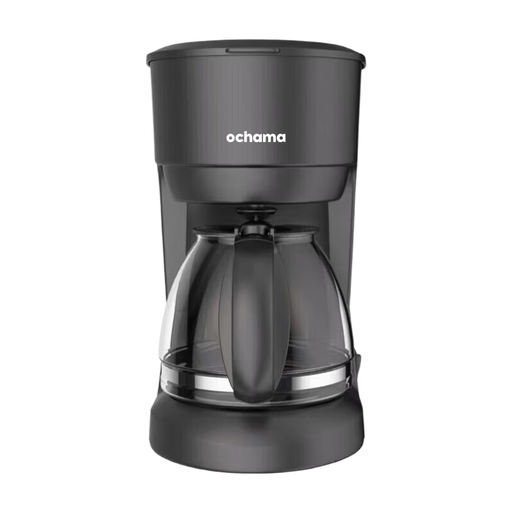
Why This Fits Their Persona: Its compact design and 750ml water capacity suit a small UK kitchen, home office or personal morning routine without the complexity of espresso equipment.
It avoids paying for unused espresso, grinder or milk features when your preference is straightforward filter-style coffee.
600W operation, automatic brewing, 30-minute keep-warm function and detachable parts for cleaning.
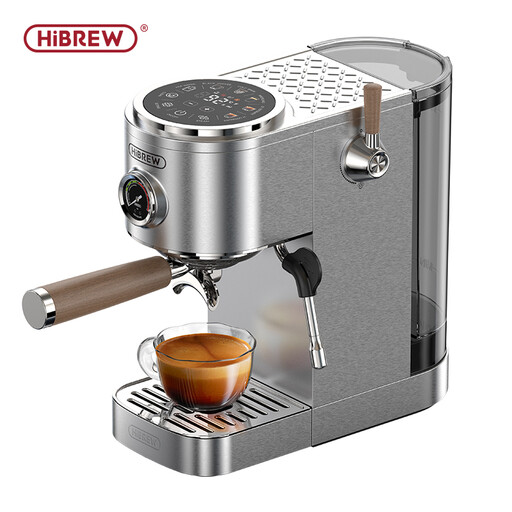
Why This Fits Their Persona: Users who enjoy adjusting espresso recipes and steaming milk can work with a 58mm portafilter, touchscreen settings and separate brewing and steaming boilers.
Its OPV is specified to regulate extraction at about 9 bar, giving more useful information than a pump-pressure headline alone.
Dual boilers, PID temperature control, three steam levels, 1.3L removable tank and hot or cold drink modes.

Why This Fits Their Persona: It suits busy households and office workers who want fresh-bean drinks with minimal manual preparation and a traditional steam wand for milk.
The 13 grind settings and adjustable aroma and temperature allow useful control without requiring separate grinding and dosing equipment.
1.8L removable water tank, built-in grinder, one-touch espresso and coffee functions, plus a manual milk nozzle.

Why This Fits Their Persona: Larger households and users who switch between hot drinks, iced recipes and cold extraction can access a broad selection from one appliance.
Its listing distinguishes cold extraction from drinks made by pouring hot coffee over ice, helping buyers choose a machine aligned with their preferred result.
1.8L water tank, 300g bean hopper, automatic milk systems for hot and cold drinks and a colour touchscreen.
We have compiled a complete, real-time list of products that fully satisfy these strict selection criteria and UK safety regulations.
Use fresh, correctly stored coffee rather than changing machine settings constantly to compensate for stale beans. Descale according to the manual, particularly in hard-water areas, and empty drip trays and grounds containers before they become difficult to clean.
For a filter coffee machine, reusable or correctly sized paper filters can reduce waste and prevent overflow. For espresso machines, buying pre-ground coffee may lower the initial cost but removes the convenience of an integrated grinder. Compare the price of beans, filters, descaling products and replacement parts alongside the purchase price.
Electricity use depends on wattage, brewing time and standby behaviour. A 600W drip machine used briefly each morning will generally have a different running profile from a 2,100W espresso machine that heats and steams repeatedly. Turning the appliance off when it is not required and using automatic shut-off features can help limit unnecessary consumption.
Lifespan varies with construction, frequency of use, water quality and maintenance. Removable parts, replaceable components and accessible descaling procedures can make long-term ownership more manageable. Check the warranty, spare-parts availability and cleaning instructions before purchase rather than relying only on the exterior finish.
A filter coffee machine or French press is usually straightforward because there are fewer settings and components. Bean-to-cup coffee machines reduce grinding and dosing work, while manual espresso machines offer more control but require practice with grind size, tamping and milk texturing. Choose the method that matches your routine, not simply the longest feature list.