
24/7 Customer Support

Free returns

Same-day & Next-day Delivery

Quality Guaranteed

Unlock Your Welcome Offers: FREE Delivery | Up to 80% OFF | Free 30-day JoyPlus trial
Download the APP
The right coffee machine can make mornings easier, but choosing one based only on pump pressure, capsule promotions or glossy design can lead to an expensive mismatch. UK shoppers should look beyond the headline specification and consider how much coffee they prepare, how much work they want to do and what ongoing costs they are comfortable with.
Many espresso coffee machines advertise 15 or 20 bar pumps. This figure describes the pump’s maximum pressure, not necessarily the pressure used throughout extraction. Consistent temperature, suitable grind size, even tamping and fresh coffee also affect the result.
A 15-bar De’Longhi Stilosa or a 20-bar DAEWOO machine may suit home espresso preparation, but neither removes the need to learn basic dosing and tamping. For genuinely low-effort brewing, a pod coffee machine or bean-to-cup coffee machine may be a more practical choice.
A low purchase price can be offset by recurring capsule costs. Pod systems may also restrict you to a particular capsule format. For example, a Lavazza pod machine uses Lavazza A Modo Mio capsules, while the Nespresso Vertuo system is designed for Nespresso Vertuo pods.
Before buying, check:
Coffee oils, milk residue and limescale can affect flavour and operation when maintenance is neglected. A machine with a removable water tank, accessible drip tray and detachable brewing components is generally easier to maintain.
Milk systems require particular attention. Manual steam wands need wiping and purging after use, while automatic milk systems may require more frequent rinsing and cleaning cycles. Always follow the supplied instructions rather than relying on advertising claims about easy maintenance.
Choose the brewing method before comparing brands.
A 0.6-litre tank may be convenient for one person but require frequent refilling in a shared home. Larger tanks reduce interruptions but add to the machine’s footprint.
Measure the available space, including clearance above the machine for a water tank or bean hopper. Compact coffee machines such as the Lavazza Jolie Evo and De’Longhi Stilosa are suitable for smaller kitchens, but their smaller tanks may not suit several users.
For larger batches, the 1.25-litre Moccamaster models can brew up to 10 cups. A 750ml ochama drip coffee maker occupies less space and may be more appropriate for personal or office use.
For filter coffee, the Moccamaster KBG Select specifications list a brewing range of 92–96°C, a six-minute brewing time for a full 1.25-litre jug and automatic shut-off after 40 minutes. Its KBGT alternative uses a thermal jug rather than a hot plate.
For espresso machines, pump pressure should be considered alongside temperature control and the heating system. Also check for:
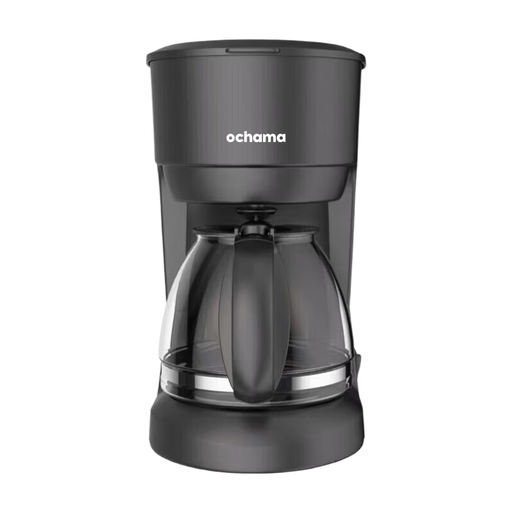
Why This Fits Their Persona: A straightforward option for a student, single-person household or small office that wants automatic filter coffee without a complicated control panel.
Its 750ml capacity is clearly suited to smaller servings, helping avoid paying for a large machine that will rarely be filled.
600W operation, automatic brewing, 30-minute keep-warm function and detachable parts for cleaning.
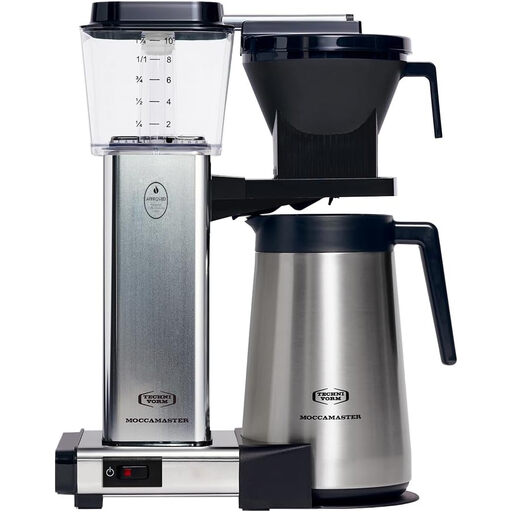
Why This Fits Their Persona: Suitable for coffee drinkers who prepare several cups and prefer a thermal carafe rather than leaving coffee on a hot plate.
The thermal jug avoids reliance on a keep-warm hot plate, while its stated 1.25-litre capacity is suitable for batch brewing.
92–96°C brewing range, approximately six-minute full-jug brewing, ECBC certification and replaceable parts.
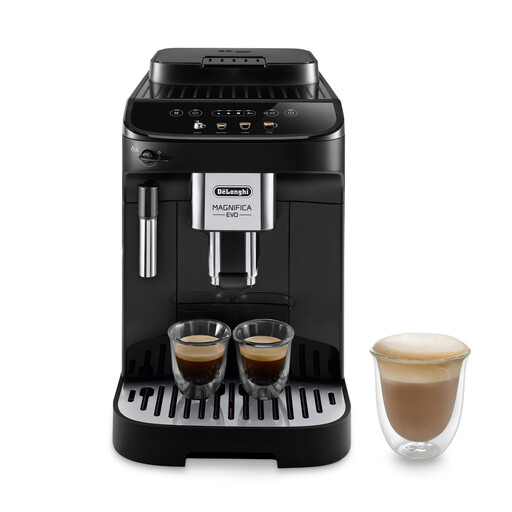
Why This Fits Their Persona: A practical match for households wanting freshly ground coffee and one-touch preparation without manually using a portafilter for every cup.
It avoids capsule-format lock-in by using coffee beans and includes a removable brew unit for routine maintenance.
13 grinder settings, a 250g hopper, 1.8-litre water tank and manual milk frother.
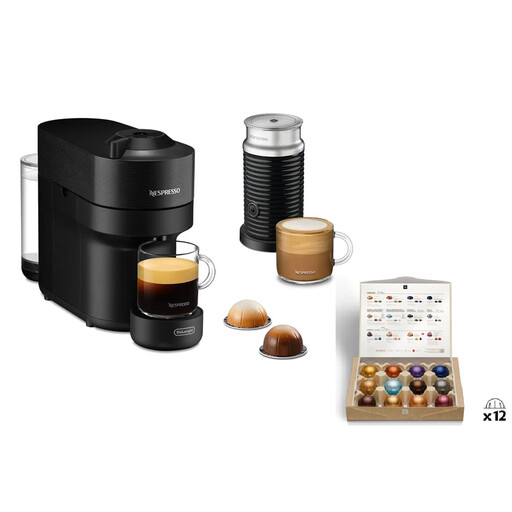
Why This Fits Their Persona: Designed for compact kitchens and users who want espresso, larger mugs, milk drinks or iced coffee with one-touch operation.
Its capsule system and barcode recognition simplify preparation, while the six stated cup sizes make its output more flexible than an espresso-only pod machine.
30-second heat-up, Aeroccino milk frother, automatic capsule ejection and concentrated mode for iced drinks.
We have compiled a complete, real-time list of products that fully satisfy these strict selection criteria and UK safety regulations.
Electricity use depends on wattage, brewing time and standby behaviour. Capsule costs, coffee beans, paper filters, milk and descaling products may have a greater effect on regular spending. Compare the cost per serving before choosing between pod, filter and bean-to-cup coffee makers.
There is no universal lifespan. Regular descaling, correct cleaning and careful use can help, while hard water and heavy daily use may increase wear. Look for a clear warranty, replaceable parts and manufacturer maintenance guidance. Some Moccamaster models listed here specify a five-year manufacturer’s warranty and replaceable components.