
24/7 Customer Support

Free returns

Same-day & Next-day Delivery

Quality Guaranteed

Unlock Your Welcome Offers: FREE Delivery | Up to 80% OFF | Free 30-day JoyPlus trial
Download the APP
Choosing between filter coffee machines, espresso machines and pod systems can quickly become confusing. A low price may hide expensive capsules, while an impressive pressure figure may say little about the drink you actually want to make. For UK households, the right coffee machine should match your routine, available worktop space, preferred coffee style and willingness to clean it.
Espresso machines often advertise 15 or 20-bar pumps. This is an objective specification, but it does not automatically guarantee a better cup. Extraction also depends on grind size, dose, tamping, water temperature and the filter basket. Beginners may find a simple machine with forgiving controls more practical than one requiring precise adjustments.
Coffee oils, milk residue and limescale can affect performance over time. A machine with removable tanks, drip trays and brewing components is generally easier to maintain. Check whether the manufacturer provides clear descaling instructions and whether replacement parts are available before buying.
A large water tank is useful for a busy household, but it can occupy more worktop space and hold water longer than necessary for one person. Similarly, a 1.25-litre carafe may suit an office or family, but a compact pod coffee machine may be more convenient for one or two drinks at a time.
Measure the available worktop, including space above the machine for filling a hopper or water tank. A 600ml to 1-litre tank may be adequate for personal use, while a 1.7-litre or 1.8-litre tank is more suitable for several drinks throughout the day. Remember that stated cup counts can vary depending on serving size.
For coffee machines with milk frothers, check whether the frother is manual or automatic. A manual steam wand offers more control but requires practice and cleaning after every use. Look for removable drip trays, automatic switch-off and clear hot-surface warnings. In the UK, use a suitable 220–240V earthed socket and follow the supplied instructions rather than relying only on online recipes.
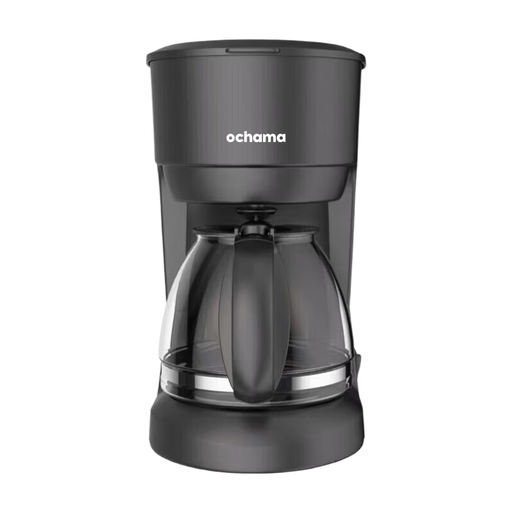
Why This Fits Their Persona: Its compact format and fully automatic brewing suit students, smaller households and office users who want straightforward filter coffee without espresso equipment.
It avoids paying for an unused grinder or milk functions and has detachable parts for cleaning after brewing.
600W operation, automatic drip brewing, 750ml water capacity and a 30-minute keep-warm function.
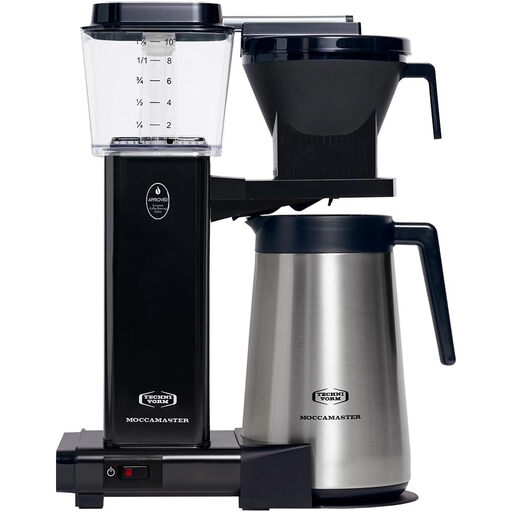
Why This Fits Their Persona: The 1.25-litre thermal carafe suits households that brew several cups and prefer coffee kept warm without leaving a hot plate switched on.
The thermal jug removes reliance on a hot plate for keeping coffee warm, while the auto drip-stop helps reduce mess when the jug is removed.
Brews up to 10 cups in approximately six minutes, with a 92–96°C brewing range, ECBC certification and replaceable parts.
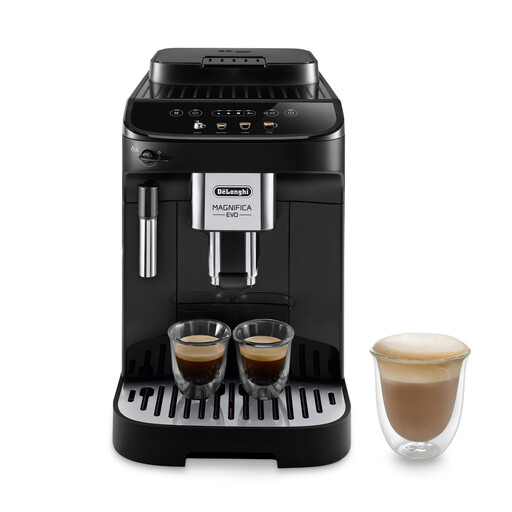
Why This Fits Their Persona: Busy households and frequent coffee drinkers can prepare espresso, coffee or long coffee with one-touch controls, while the integrated grinder removes the need for a separate appliance.
Its 1.8-litre removable tank and removable brew unit make frequent use more practical, but users still need to clean the milk frother and descale as instructed.
Built-in grinder with 13 settings, 250g bean hopper, 15-bar pump and manual milk frother.
We have compiled a complete, real-time list of products that fully satisfy these strict selection criteria and UK safety regulations.
The frequency depends on water hardness, usage and the manufacturer’s instructions. Homes in hard-water areas may need more frequent descaling. Use the recommended product and do not ignore warning lights, slower flow or unusual noise.
Running costs include beans, water, electricity, cleaning products and replacement filters where applicable. Beans can offer flexibility in serving size, while pod systems require compatible capsules for every drink. Compare ongoing consumables rather than looking only at the purchase price.
Many filter and espresso machines can make iced coffee by brewing hot coffee over ice. For a stronger result, use a concentrated espresso shot or brew a smaller, stronger batch of filter coffee. Add cold milk or water after chilling and follow the product instructions around glassware and hot liquid.