
24/7 Customer Support

Free returns

Same-day & Next-day Delivery

Quality Guaranteed

Unlock Your Welcome Offers: FREE Delivery | Up to 80% OFF | Free 30-day JoyPlus trial
Download the APP
Making espresso, cappuccinos and lattes at home can be more affordable and convenient than visiting a coffee shop regularly. However, choosing between a home espresso machine, coffee pod machine and separate milk frother is not always straightforward. Product descriptions often focus on pressure, wattage or “barista-style” results without explaining how those features affect everyday use.
Before buying, UK households should consider the brewing method, available worktop space, drink preferences, cleaning requirements and ongoing costs. The right choice depends less on impressive-sounding claims and more on whether the appliance suits your routine.
A 15-bar espresso machine may sound more capable than a lower-rated model, but the pump rating alone does not determine the flavour in your cup. Coffee grind size, dose, tamping, water quality and heat control also influence extraction.
Pressure is still a useful specification, particularly when comparing manual espresso machines, but it should be considered alongside the machine’s filter baskets, controls and brewing method. A model with a manual steam wand may offer more control, while a pod machine prioritises repeatability and convenience.
A coffee machine with milk frother can create more drink styles, but milk residue needs prompt cleaning. Steam wands usually require wiping and purging after use. Separate electric milk frothers may have removable components, while manual milk frothers generally need washing after each preparation.
If cleaning feels inconvenient, the frothing function may eventually go unused. Check whether the jug, whisk or drip tray is removable and whether the manufacturer provides clear care instructions.
A lower-priced coffee pod machine can be convenient, but capsule costs add up with frequent use. A manual espresso machine may require ground coffee, a grinder or ESE pods, giving you more choice but involving more preparation.
Also check the water tank capacity. A 1-litre tank may suit one or two daily users, while a larger tank reduces refilling for shared households. Remember that a bigger appliance needs more storage and worktop space.
A manual espresso machine uses a portafilter and typically allows you to choose the coffee dose and tamping pressure. This suits shoppers who enjoy learning a repeatable process and experimenting with different ground coffees.
A coffee pod machine is simpler. Insert a compatible capsule, press a button and dispose of the used pod after brewing. It can be suitable for busy mornings, although you are tied to the capsule system and available pod sizes.
For cappuccinos, lattes and flat whites, consider whether you want:
Measure the space between wall cupboards and the front edge of the worktop. Check the machine’s width, depth and height, including room for lifting a water tank or opening a pod compartment.
A transparent water tank makes it easier to monitor the level. A removable drip tray is useful because coffee splashes and milk preparation can make the area messy. Cup clearance also matters if you use tall glasses for iced lattes.
For UK use, check that the appliance is suitable for a 220–240V earthed mains socket and follow the supplied instructions. Hot surfaces, steam and residual pressure can cause injury, so never remove a portafilter immediately after brewing and always direct steam away from hands and face.
Look for practical features such as automatic shut-off, pressure-release protection, a visible water level and removable washable parts. These features do not remove the need for care, but they can make routine use easier.

Why This Fits Their Persona: A practical starting point for UK households wanting espresso and steamed milk without investing in separate appliances. Its 1.2-litre tank can reduce frequent refilling during everyday use.
The visible tank helps avoid unexpectedly running out of water, while the detachable drip tray supports regular cleaning.
15-bar pump specification, steam milk frother, cup-warming function and listed high-temperature, pressure-release and power-off protections.
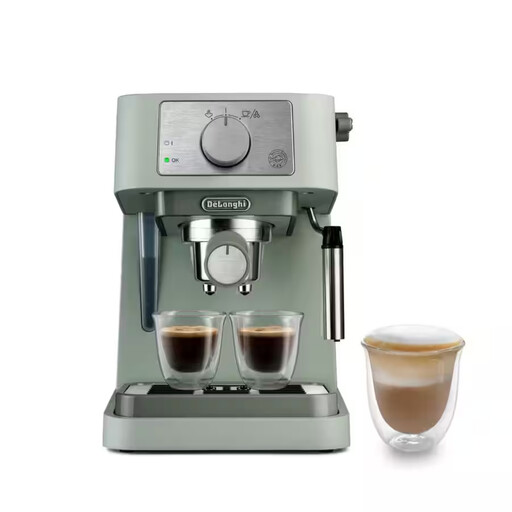
Why This Fits Their Persona: Suits users who want hands-on control over espresso and milk texture while keeping a compact footprint for a flat or smaller kitchen.
Its manual controls make the brewing method clear rather than hiding preparation behind vague automation claims. Removable parts and wipe-clean surfaces support upkeep.
15-bar pump, manual stainless-steel steam wand, 1-litre tank, ESE pod compatibility and single and double-shot baskets.
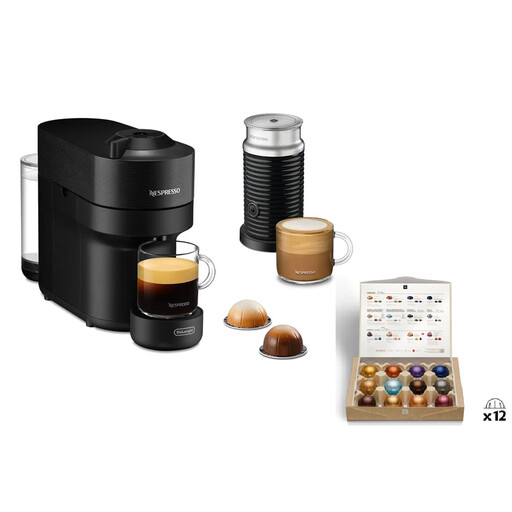
Why This Fits Their Persona: Designed for households prioritising speed, multiple cup sizes and minimal preparation, including iced coffee and milk-based drinks.
The included Aeroccino frother avoids the need to purchase a separate milk appliance, while automatic capsule ejection reduces handling after brewing.
One-touch operation, approximately 30-second heat-up, six listed cup sizes and hot or cold milk frothing.
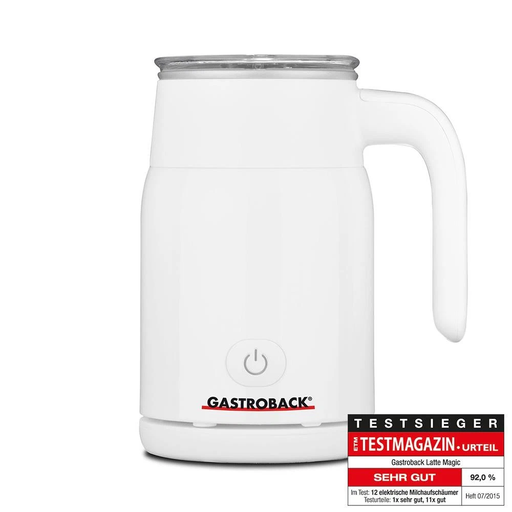
Why This Fits Their Persona: A useful choice for shoppers who already own a coffee machine or prefer hot chocolate, lattes and cappuccinos without using a steam wand.
Separate frothing and heating functions make its purpose clear, while automatic shut-off avoids the need to supervise each cycle.
Produces up to 350ml of froth or 250ml of heated milk per cycle, with hot and cold frothing, a non-stick interior and removable froth spiral.
We have compiled a complete, real-time list of products that fully satisfy these strict selection criteria and UK safety regulations.
They can require more care than a basic black-coffee machine because milk residue should not be left in a steam wand, jug or frothing chamber. Wipe a steam wand immediately after use and follow the appliance instructions for purging or washing removable parts. A detachable drip tray and dishwasher-safe components can make maintenance simpler.
This depends on how often you drink coffee and which pods or ground coffee you buy. Pods offer measured portions and quick preparation, but the cost per drink may be higher than using ground coffee. A manual espresso machine can offer more control over ongoing ingredients, although you may also need a grinder, tamper or suitable storage.
Yes. A milk frother can heat or aerate milk for hot chocolate, tea-based drinks and coffee made with a cafetière, filter brewer or instant coffee. An electric milk frother is convenient for repeated use, while a manual milk frother can be useful where cupboard space and electricity access are limited.