
24/7 Customer Support

Free returns

Same-day & Next-day Delivery

Quality Guaranteed

Unlock Your Welcome Offers: FREE Delivery | Up to 80% OFF | Free 30-day JoyPlus trial
Download the APP
A café-style drink at home can mean very different things to different people. Some UK households want one-touch coffee before work, while others enjoy weighing beans, tamping a portafilter and steaming milk by hand. The right choice depends less on impressive-sounding specifications and more on how much control, cleaning and worktop space you are prepared to manage.
The market for coffee machines and milk frothers also contains several common buying traps.
A 15-bar espresso machine may sound automatically superior, but pump pressure is only one part of brewing. Grind size, coffee freshness, dose, tamping and water temperature also affect the cup. Treat the pressure rating as a specification, not a guarantee of flavour.
Some machines include a manual steam wand, which requires a separate milk jug and practice. Others come with an electric milk frother that heats or foams milk at the press of a button. Neither option is universally right: a steam wand offers more control, while an automatic frother generally reduces effort.
A pod coffee machine can be quick and tidy, but compatible capsules become a recurring expense and limit your coffee format to the relevant system. A semi-automatic espresso machine avoids capsules but requires ground coffee, regular rinsing and occasional descaling. Milk equipment also needs prompt cleaning to prevent dried residue around whisks, steam tips and non-stick interiors.
A pod coffee machine is suitable for consistent, convenient drinks with minimal preparation. The Nespresso Vertuo Pop, for example, uses barcode reading and one-touch operation, with several capsule sizes from Ristretto to Large Mug.
For more control, consider a semi-automatic espresso machine. These models use a portafilter and allow you to choose ground coffee, tamping pressure and shot size. They are more involved, but they suit shoppers interested in home barista coffee equipment.
Check whether the machine accepts:
A coffee machine with steam wand is flexible for lattes, cappuccinos and flat whites, but milk texture depends on technique. Keep the steam tip clean and use a suitable jug.
An electric milk frother is easier for repeatable hot or cold foam. Check its maximum frothing capacity separately from its heating capacity, as these figures may differ. Manual milk frothers do not require electricity and can be useful in kitchens with a small footprint, although they involve more physical effort.
Measure the available worktop, including space above the machine for removing a water tank. A 1.2-litre tank may support several drinks between refills, while a compact one-litre machine may be easier to position under cabinets.
For UK homes, confirm that the appliance is suitable for a 220–240V earthed mains socket and follow the supplied safety guidance. Hot surfaces, steam and pressurised portafilters require careful handling, particularly around children.
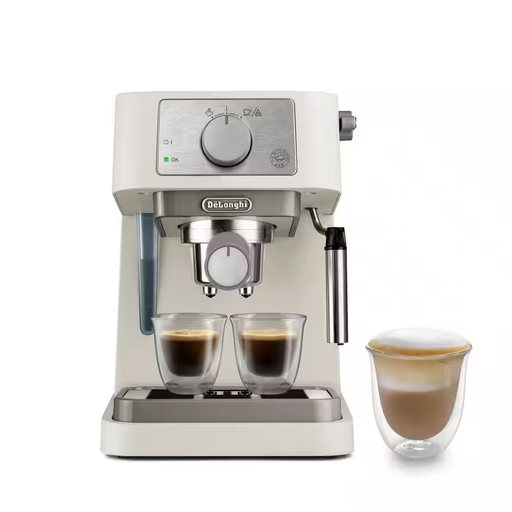
Why This Fits Their Persona: A compact option for beginners who want espresso, cappuccinos and lattes without committing to a larger home barista setup.
It clearly uses a manual steam wand rather than implying automatic milk preparation, so buyers can plan for the required technique and cleaning.
15-bar pump, one-litre water tank, ground coffee and E.S.E. pod compatibility, plus single and double filters.
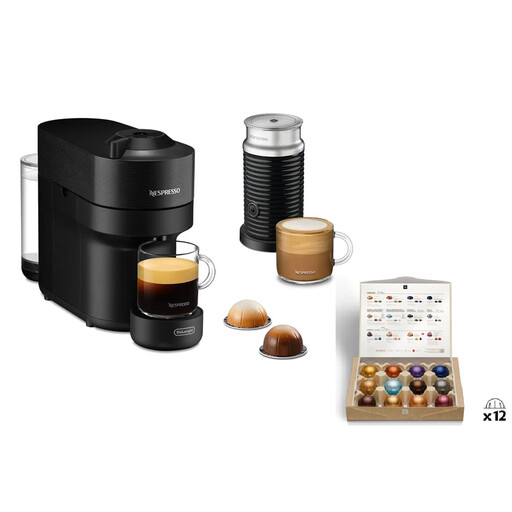
Why This Fits Their Persona: Suits households prioritising a streamlined worktop setup, capsule variety and easy preparation of both black and milk-based drinks.
The included Aeroccino frother is specified separately from the capsule brewer, making the milk preparation method clear before purchase.
One-touch brewing, approximately 30-second heat-up, six cup sizes and automatic capsule ejection.
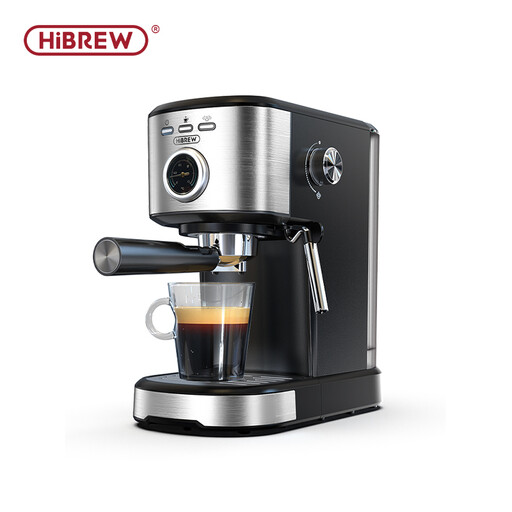
Why This Fits Their Persona: A practical match for frequent drink makers who want a larger tank, temperature visibility and options for manual or assisted milk frothing.
Its listed 1.2-litre removable tank and automatic shut-off provide concrete capacity and convenience information beyond the pressure headline.
15-bar extraction, real-time temperature meter, one-touch extraction and dual-mode steam milk frother.
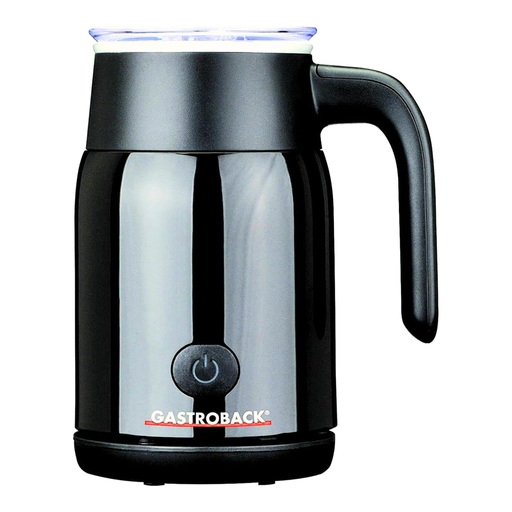
Why This Fits Their Persona: Useful for kitchens with a small footprint or evening routines where straightforward hot chocolate, latte and cappuccino preparation matters.
The product specifies separate frothing and heating capacities, plus automatic shut-off, rather than relying on a vague “large capacity” description.
Produces up to 350ml of froth or heats up to 250ml, with hot and cold settings, a removable spiral and non-stick interior.
We have compiled a complete, real-time list of products that fully satisfy these strict selection criteria and UK safety regulations.
They can be worthwhile if you regularly drink cappuccinos, lattes or hot chocolate. Choose an integrated electric frother for convenience, or a steam wand if you want more control over milk texture. Remember that a combined appliance still needs cleaning after milk use.
Lifespan varies with construction, water quality, frequency of use and maintenance. Regular rinsing, descaling and correct handling of the portafilter can reduce avoidable wear. Check the supplied warranty and replacement-part information before ordering.
A semi-automatic machine can offer lower coffee costs when bought with ground coffee or beans, but it requires more preparation and equipment. A pod machine usually saves time and reduces mess, while capsule prices and recycling arrangements should be included in the household running-cost calculation.