
24/7 Customer Support

Free returns

Same-day & Next-day Delivery

Quality Guaranteed

Unlock Your Welcome Offers: FREE Delivery | Up to 80% OFF | Free 30-day JoyPlus trial
Download the APP
Buying coffee machines and milk frothers can seem straightforward until you compare pressure ratings, capsule systems, steam wands and foam capacity. A compact machine may suit a small London flat, while a household making several cappuccinos each morning may need a larger tank and quicker workflow.
The right choice depends less on impressive-sounding claims and more on how you drink coffee, how much work you want to do and whether the machine fits your kitchen routine.
A 15 bar espresso machine and a 20 bar espresso machine can both be suitable for home use, but pump pressure alone does not determine flavour. Grind size, coffee freshness, dose, tamping and temperature also affect extraction.
A higher number should therefore be treated as one specification rather than a quality guarantee. Check whether the machine also offers temperature control, adjustable water volume or a stable portafilter system.
A milk frother may produce airy foam for cappuccinos, denser foam for lattes or heated milk for chocolate drinks. Manual models require more effort but offer simple cleaning and no electrical connection. Electric milk frothers are more convenient, particularly when preparing several drinks, but their jug capacity can be limited.
Also check whether the unit handles hot and cold milk, whether the whisk or frothing spiral is removable and whether the vessel is dishwasher safe.
Coffee grounds, milk residue and used capsules all require different care. A semi-automatic espresso machine needs the portafilter and steam wand cleaned after use. A pod machine reduces preparation time, but capsule prices and recycling arrangements affect the long-term cost.
Removable drip trays and water tanks are practical features worth prioritising. A machine that is difficult to rinse may become inconvenient even if its headline specifications look appealing.
A coffee pod machine is suitable for quick, consistent preparation. The Nespresso Vertuo Pop, for example, uses barcode recognition to adjust brewing settings for compatible Vertuo capsules and offers six drink sizes, from Ristretto to Large Mug. This is convenient, although buyers should confirm capsule compatibility before ordering coffee.
A semi-automatic espresso machine uses ground coffee in a portafilter. It gives you more control over dose, grind and extraction, making it suitable for people exploring home barista coffee equipment. Some models, such as the De’Longhi La Specialista Arte, add an integrated burr grinder to reduce the need for separate equipment.
For occasional use, a tank around 1.2 litres may be sufficient. Larger households may prefer a 1.3-litre or 1.7-litre removable tank to reduce refilling during the morning.
Measure the available worktop depth and height before buying. Slim models can be useful in UK kitchens with limited counter space, but remember to leave room to remove the water tank, load beans or open the machine head.
A steam wand gives you manual control over milk texture, but it takes practice and requires wiping immediately after use. An automatic frother offers a simpler routine, while a standalone manual milk frother can be paired with almost any espresso coffee machine.
For several drinks, compare the stated frothing capacity with your usual serving size. A unit producing up to 350ml of foam may suit a couple of drinks, whereas a 250ml heated-milk capacity may be more appropriate for one or two lattes.
For electrical appliances in the UK, check that the product information specifies a suitable 220–240V supply, includes appropriate safety instructions and provides accessible cleaning guidance.
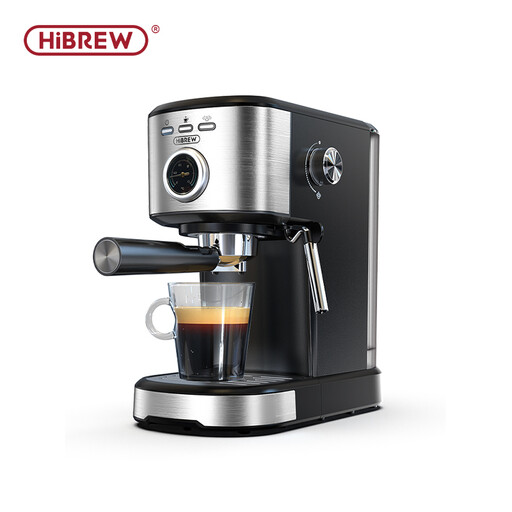
Why This Fits Their Persona: A practical starting point for UK households wanting espresso and steamed milk without a full bean-to-cup setup. Its 1.2L tank is suitable for several drinks before refilling.
The built-in temperature meter makes brewing conditions visible, while the removable drip tray supports easier cleaning.
15-bar pump, one-touch extraction, dual-mode milk frothing and a cup warmer.
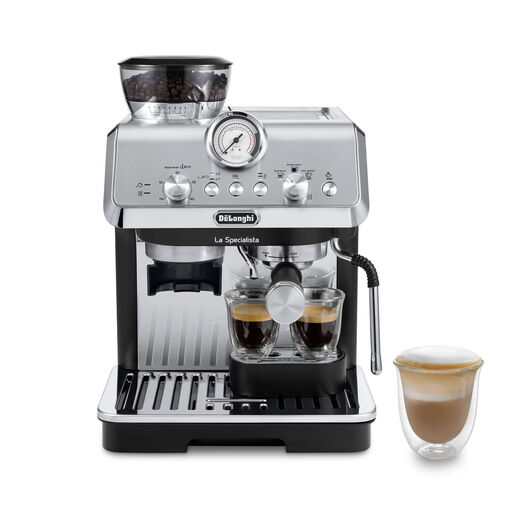
Why This Fits Their Persona: Suits experienced coffee drinkers who want an integrated grinder and more control over espresso, long black and milk-based recipes.
Its adjustable grind settings and three infusion temperatures provide practical controls rather than relying only on pump-pressure figures.
Integrated burr grinder with eight settings, 1.7L removable tank and manual steam wand.
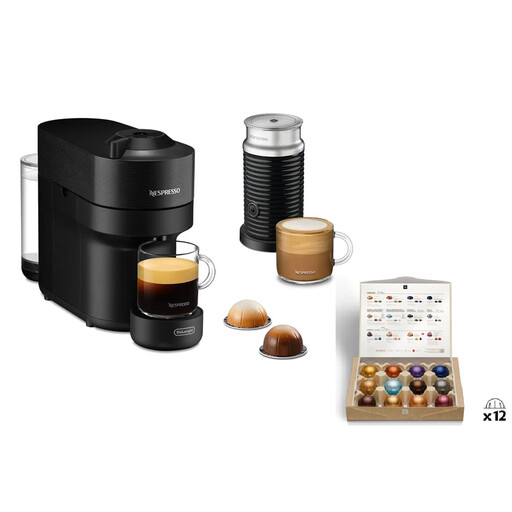
Why This Fits Their Persona: A compact option for busy kitchens where one-touch coffee and simple milk preparation matter more than manual control.
The compatible capsule system and automatic ejection make the daily routine clear, while the included frother avoids buying a separate milk accessory.
30-second heat-up, six cup sizes, one-touch brewing and Aeroccino hot or cold milk frother.
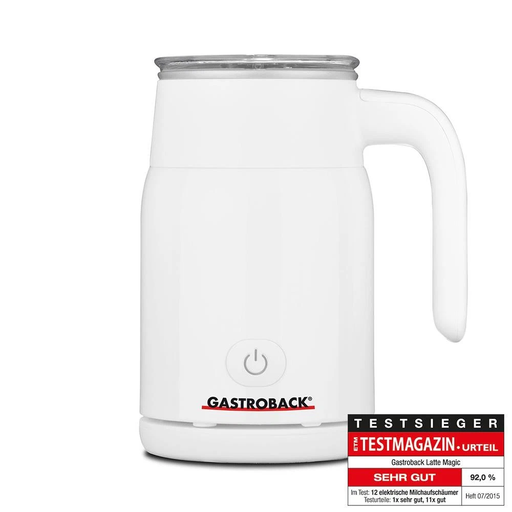
Why This Fits Their Persona: Useful for households that already own a coffee machine and regularly prepare cappuccinos, lattes, milkshakes or hot chocolate.
The unit states separate capacities for foam and heated milk, helping buyers match it to actual serving requirements.
Hot or cold frothing, up to 350ml of foam, automatic shut-off and removable frothing spiral.
We have compiled a complete, real-time list of products that fully satisfy these strict selection criteria and UK safety regulations.
Running costs depend on whether you use ground coffee, beans or capsules. Pod systems are convenient but require ongoing capsule purchases. Semi-automatic and bean-to-cup machines require coffee beans or ground coffee, while milk and cleaning supplies add a smaller recurring cost.
Both pressure ratings can be suitable for home espresso. Compare them alongside temperature control, water capacity, portafilter design and milk-frothing functions. The higher rating alone does not guarantee a preferred flavour.
Lifespan varies with construction, usage and maintenance. Regular descaling where instructed, careful cleaning of milk components and correct operation can help preserve performance. Check the warranty, replacement-part availability and cleaning instructions before buying.