
24/7 Customer Support

Free returns

Same-day & Next-day Delivery

Quality Guaranteed

Unlock Your Welcome Offers: FREE Delivery | Up to 80% OFF | Free 30-day JoyPlus trial
Download the APP
Buying coffee makers in the UK can be more complicated than comparing prices and pump pressure. A compact espresso machine may need frequent cleaning, a large filter coffee machine may overwhelm a small kitchen, and a French press can be unsuitable if you need coffee ready during a busy morning.
The right choice depends on your preferred brewing method, available space, serving size and willingness to manage manual steps. This guide explains the practical details worth checking before you buy.
A 15-bar espresso machine or 20-bar model may sound more capable than a lower-rated alternative. However, pump pressure is only one part of espresso preparation. Grind size, dose, tamping, water temperature and the filter basket also affect the result.
Look for a machine that matches your experience level and preferred workflow. Manual espresso machines offer more control but require practice. A pod-compatible model may be more convenient if speed matters more than experimentation.
Coffee oils and milk residue can build up quickly. Steam wands require wiping and purging after use, while portafilters and drip trays need regular rinsing. French press coffee makers also need the plunger and mesh filter cleaned thoroughly to prevent old grounds and oils affecting later brews.
A removable water tank, detachable drip tray and dishwasher-safe components can make daily care easier. Always check the manufacturer’s cleaning instructions rather than assuming every part can go in a dishwasher.
A machine may have a small footprint but still need extra space above or behind it for a water tank, steam wand or lid. Check the full width, depth and height, then measure the worktop area and nearby cupboards.
Tall glasses are particularly important for iced coffee. Some coffee machines include an adjustable drip tray, while others only accommodate standard mugs. For small flats, student accommodation or office kitchens, compact coffee makers should be assessed by usable clearance, not footprint alone.
Choose the method that suits how you actually drink coffee:
Capacity labels can be confusing. French press manufacturers often measure one cup as approximately 4oz, so a 1-litre model labelled “8 cups” may provide fewer large mugs than expected.
For one or two people, a 350ml cafetière may reduce waste and heat more quickly. A 750ml drip coffee maker suits personal or small household use, while a 1.25-litre filter machine is more practical for families, meetings or shared offices.
Heat-resistant borosilicate glass is commonly used in cafetières, but it can still break through impact or sudden temperature changes. Never pour cold water into a hot glass carafe, and use the handle when serving.
For electric coffee makers, check that the appliance is suitable for a 220–240V UK earthed socket. Do not immerse the powered body in water. Hot plates, steam wands, brew heads and portafilters can cause burns, so allow them to cool before cleaning.
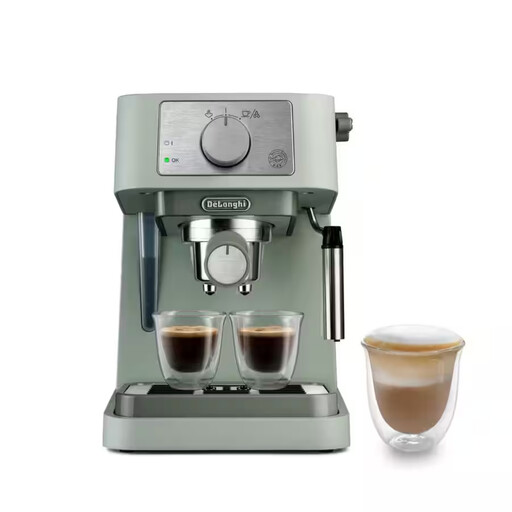
Why This Fits Their Persona: A practical entry point for UK shoppers who want espresso, cappuccino or iced coffee without a large appliance.
Its approximately 150mm width helps with limited worktops, while ground coffee and E.S.E. pod compatibility provide two preparation options.
15-bar pump, manual stainless-steel steam wand, one-litre tank and two-tier drip tray.
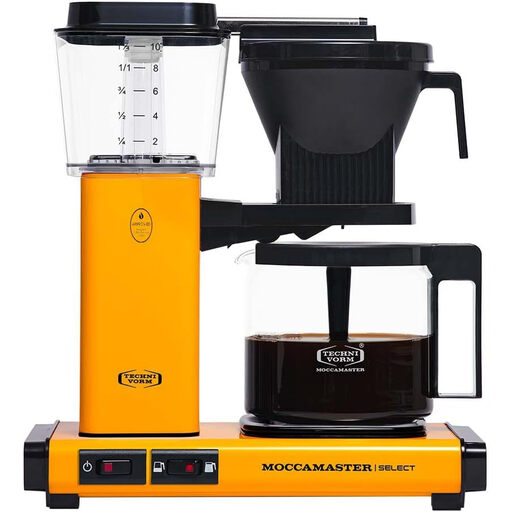
Why This Fits Their Persona: Suitable for households and offices that value batch brewing, a distinctive design and replaceable parts.
The half-carafe setting helps avoid treating a large machine as an all-or-nothing purchase when fewer cups are needed.
1.25-litre capacity, automatic shut-off after 40 minutes, adjustable brewing for a full or half carafe.

Why This Fits Their Persona: Designed for drinkers who switch between espresso, milk-based drinks, iced coffee and cold brew.
Its 15cm-wide design addresses worktop-space concerns, while the adjustable drip tray supports taller glasses for cold drinks.
15-bar system, manual milk steam wand, dedicated cold extraction programme and three preset recipes.
We have compiled a complete, real-time list of products that fully satisfy these strict selection criteria and UK safety regulations.
Running costs depend on the appliance’s wattage, brewing time and frequency of use. The main ongoing expenses are coffee beans or grounds, milk, paper filters and descaling products. Filter coffee machines may use paper filters, while French press coffee makers avoid disposable filters but still require regular cleaning.
Switching the appliance off after brewing and choosing an automatic shut-off feature can help reduce unnecessary electricity use.
Lifespan varies according to construction, water hardness, usage and maintenance. Regular descaling is particularly important in areas with hard water. Empty drip trays, rinse removable tanks and clean milk systems promptly. Mechanical components such as pumps, seals and heating elements may eventually need replacement, so check whether spare parts or servicing information is available.
Yes, if you prefer full-bodied coffee and do not need automated brewing. A 1-litre French press can serve several people, while a 350ml cafetière suits individual portions. Use coarse grounds, hot water and a stable surface, then lower the plunger slowly to reduce splashing and pressure. For more options, browse the full cafetière range.