
24/7 Customer Support

Free returns

Same-day & Next-day Delivery

Quality Guaranteed

Unlock Your Welcome Offers: FREE Delivery | Up to 80% OFF | Free 30-day JoyPlus trial
Download the APP
The convenience of capsule coffee machines has transformed how many of us in the UK enjoy our daily brew. With the press of a button, you can have a café-style coffee without leaving the house. However, the sheer variety of coffee pods on the market can be overwhelming, and it's easy to make purchasing mistakes that lead to wasted money and disappointing coffee.
As a Joybuy Product Recommendation Officer, my role is to help you navigate the options and identify what truly matters. Let's look at some common pitfalls and how to sidestep them to find the right pods for your machine and your palate.
To avoid these issues, focus on three key parameters before you buy.
This is the first and most important check. The UK market is dominated by a few major systems. Always confirm which one you own before shopping:
Always check the packaging or product description for explicit compatibility statements like "Compatible with Nespresso original machines" or "For use with Nescafé Dolce Gusto machines".
The material of your espresso pods affects both flavour and environmental footprint.
The "intensity" number (e.g., 9/13) is a guide to the coffee's body, richness and roast level—not necessarily its caffeine content.
For those who enjoy coffee in the evening, high-quality decaf coffee pods are now widely available, offering the same flavour profiles without the caffeine.
Here are a few options that align with different needs, helping you avoid the common pitfalls.
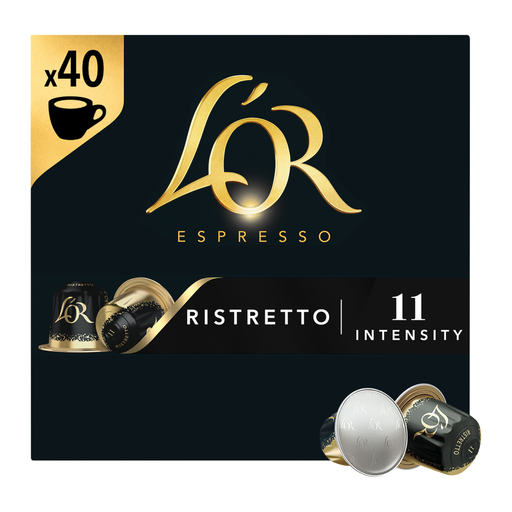
Why This Fits Their Persona: For those who need a reliable, strong coffee every morning without a fuss, this bulk pack offers excellent value. It's a straightforward, high-intensity Nespresso compatible capsule perfect for stocking up.
Buying bulk coffee pods like this 40-pack significantly lowers the cost per cup, avoiding the trap of overpaying for small, frequently purchased packs. The aluminium capsules are also widely recyclable.
A high intensity rating of 11 delivers a powerful and rich ristretto shot. The aluminium material ensures freshness is locked in across the entire 40-pod pack.
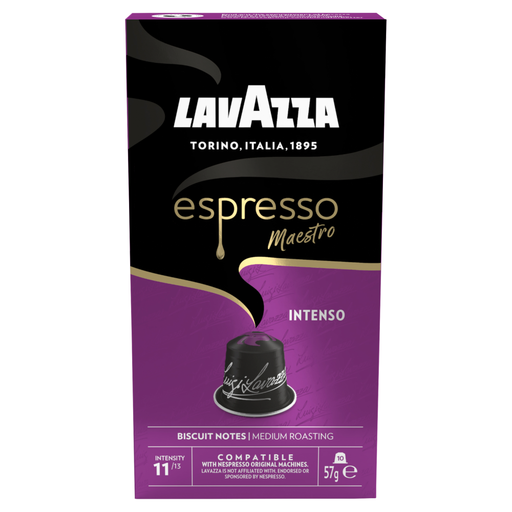
Why This Fits Their Persona: For those who appreciate the finer details of coffee, this blend from Lavazza offers a complex and authentic Italian espresso experience. It's for the user who wants to replicate a high-street café taste at home.
This pod sidesteps the "gourmet flavour trap" by focusing on genuine flavour notes from its Arabica and Robusta blend—wood, spice and cocoa—rather than artificial additives.
Features a high intensity (11/13) with a full-bodied profile from a slow drum roast. The carbon neutral aluminium capsules also appeal to environmentally conscious consumers.

Why This Fits Their Persona: Ideal for those who love the taste of a rich, dark roast coffee but want to avoid caffeine. This pod delivers the familiar Starbucks flavour for an after-dinner coffee or a late-afternoon break.
This option proves that decaf doesn't mean compromising on flavour. It avoids the pitfall of weak or tasteless decaffeinated coffee by replicating the brand's signature dark roast profile.
A rich, full-flavoured decaf option from a trusted brand. The Nespresso compatible capsules are made from 100% Arabica coffee and are easy to use and recycle.
We have compiled a complete, real-time list of products that fully satisfy these strict selection criteria and UK safety regulations.
No, this is a critical point. Coffee pod systems are not universal. You must buy pods specifically designed for your machine's system, whether it's Nespresso Original, Nescafé Dolce Gusto, Lavazza A Modo Mio or another brand. Always check the packaging for compatibility information.
Recycling methods depend on the pod's material. For aluminium capsules, empty the used coffee grounds (which can be composted) and rinse the pod. Many UK councils now accept them in household recycling. For plastic pods, check your local council's specific guidelines. Some brands, like Nespresso, also offer their own mail-back recycling schemes.
The intensity number is a guide created by the manufacturer to indicate the coffee's character. It generally reflects the level of roast, body (how it feels in your mouth) and aromatic richness. A higher number usually means a darker roast, a fuller body and more intense, roasty flavours. It is not a direct measure of caffeine content.